
Google’s latest Android update isn’t flashy, but beneath the surface it is one of the most consequential system rollouts in months quietly reshaping security, app behavior, and how billions of users interact with their devices.
Google tightens Android’s invisible core with May 2026 system update
Google has begun rolling out its May 2026 Google Play system update, a behind-the-scenes upgrade that touches nearly every layer of Android from account security to app discovery without requiring a full OS update, according to recent reports.
Unlike major Android version releases, these updates are delivered through Google Play services core functionality, the Play Store, and modular system components, allowing Google to push changes across phones, tablets, wearables, TVs, and even cars simultaneously.
This comes amid broader Android ecosystem shifts, similar to recent Google Play Services updates improving security and system performance.
Security takes center stage with critical fixes and safer logins
At the heart of the May update is a renewed focus on security an area where Google has been steadily strengthening Android’s defenses through incremental system updates.
These fixes are delivered through Project Mainline modular updates, meaning users receive protection automatically via Google Play system updates rather than waiting for manufacturer firmware upgrades.
Beyond patching vulnerabilities, Google is also refining login safety. The latest Play services update introduces warning prompts for certain account sign-ins, adding another layer of verification as Android expands into desktop-like environments.
Taken together, these changes reflect a broader shift: Android security is no longer tied to slow OEM updates but is increasingly controlled directly by Google.
Wallet, payments, and identity get subtle but meaningful upgrades
While security dominates the update, Google is also refining everyday user experiences particularly around payments and digital identity.
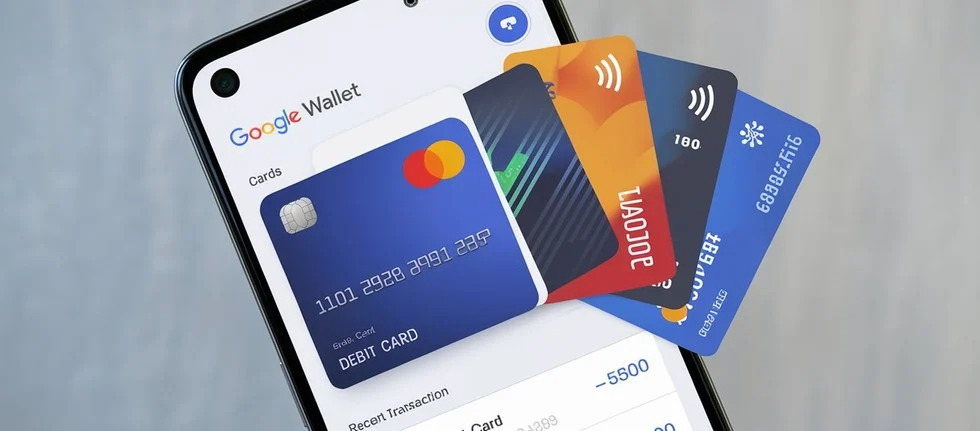
The update includes fixes and improvements to Google Wallet services, continuing a steady redesign effort aimed at faster access and better integration with features like Autofill.
Earlier system updates laid the groundwork for more intuitive Wallet navigation and smarter interactions between passes, subscriptions, and saved credentials.
These incremental tweaks may seem minor, but they are part of Google’s larger ambition to turn Android devices into fully functional digital wallets handling payments, IDs, transit passes, and more with minimal friction.
Play Store evolves with smarter discovery and social features
The Play Store is also getting a quiet evolution.
With version updates rolling out globally, users are beginning to see enhancements tied to Google Play Store usability improvements, including clearer app discovery tools and refined user experience elements.
At the same time, Google is expanding the “Community” feature in Play Games, enabling multilingual support across major global languages. This reflects a growing push toward social and interactive gaming ecosystems inside the Play Store itself.
These updates build on earlier improvements, including clearer app ratings, subscription transparency, and better large-screen app labeling changes designed to help users make smarter installation decisions.
A smarter, more connected Android experience
Beyond visible features, much of the May update focuses on system-level intelligence and connectivity.
Google continues to enhance how Android devices communicate across ecosystems phones, PCs, wearables, and cars through improvements to developer tools and system services.
Previous updates already introduced smoother device setup, faster data transfers, and improved location accuracy, reinforcing recent Android system updates improving connectivity and location services.
These refinements are part of a long-term strategy: making Android feel less like a collection of separate devices and more like a unified platform.
Why this update matters more than it seems
On the surface, the May 2026 Google Play system update may appear incremental no dramatic redesigns, no headline-grabbing features.
But its significance lies in how Android is evolving.
By decoupling core system updates from full OS releases, Google is accelerating innovation while tightening control over security and user experience. This Android update strategy ensures updates that once took months or never arrived are now delivered quietly in the background.
For users, this means safer devices, smarter apps, and fewer disruptions.
For Google, it signals something bigger: a future where Android is continuously updated, always improving, and increasingly independent of hardware manufacturers.
And for the broader tech landscape, it underscores a shift already underway where the most important upgrades are the ones users never even notice.