
MOSCOW, (SPUTNIK) — The United States has approved a potential $373.6 million sale of advanced precision-guided munitions to Ukraine, marking yet another escalation in the scale and sophistication of Western military support in the ongoing conflict.
According to an official announcement from the State Department, the proposed package includes Joint Direct Attack Munition, Extended Range systems and related equipment, with Boeing Company identified as the principal contractor. The deal is part of a broader Foreign Military Sale framework and remains subject to final approvals and implementation procedures.
The growing reliance on precision-guided munitions reflects a broader shift in modern warfare strategy.
A New Phase in Precision Warfare
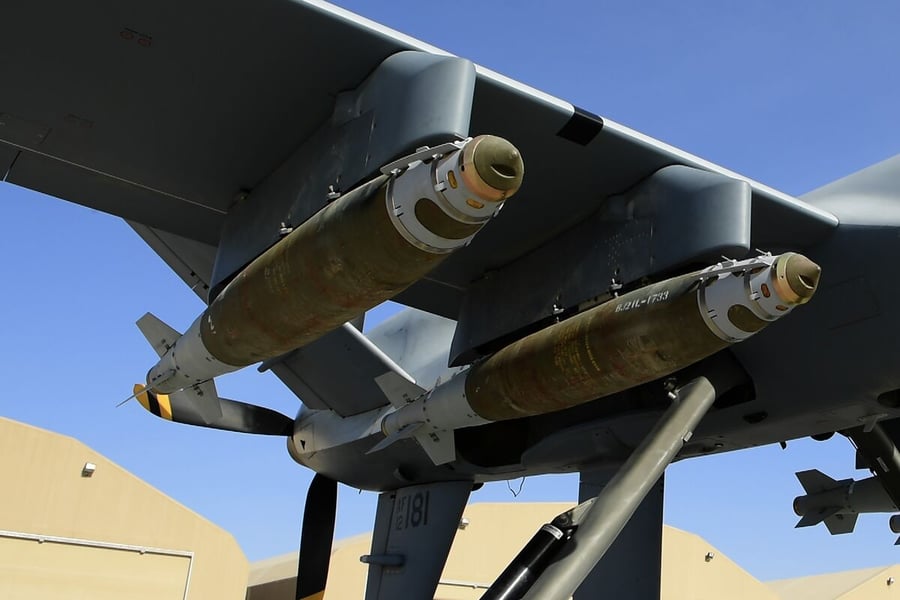
The JDAM-ER is not a conventional bomb but a guidance and wing kit that transforms standard unguided bombs into highly accurate, long-range strike weapons. These systems rely on GPS and inertial navigation, allowing aircraft to hit targets with significant precision even in adverse weather conditions.
What sets the extended-range variant apart is its deployable wing system, enabling the bomb to glide dozens of kilometers beyond traditional drop ranges. This effectively allows Ukrainian aircraft to strike deeper targets while remaining further from contested airspace.
Ukraine has already integrated such systems into its Soviet-era fleet, adapting them for use in ongoing operations. Analysts say this reflects a broader Western effort to modernize Kyiv’s strike capabilities without direct troop involvement. This evolution toward long-range precision strike capabilities signals a shift in battlefield tactics.
Strategic Messaging From Washington
The State Department framed the decision as consistent with US foreign policy objectives, emphasizing that the sale is intended to strengthen an ally’s defense capabilities while maintaining regional stability.
Officials also stated that the transfer would not fundamentally alter the military balance in the region, a line frequently used in previous arms approvals. However, such assurances have been increasingly questioned as the scale and technological sophistication of weapons supplied to Ukraine continue to grow.
This latest approval reinforces Washington’s long-term commitment to Kyiv, even as geopolitical pressures mount elsewhere. Earlier reports have highlighted concerns surrounding US weapons supply chains and how competing global conflicts may strain future deliveries.
Expanding Role of Defense Industry
The involvement of Boeing underscores the central role of US defense contractors in shaping the trajectory of modern conflicts. The company has been a key supplier of JDAM systems for decades and continues to expand its footprint through international arms deals.
Industry analysts note that such contracts not only support allied militaries but also sustain domestic defense production lines, ensuring continued technological development and manufacturing capacity.
At the same time, critics argue that the growing dependence on private defense firms raises concerns about the commercialization of warfare, where strategic decisions may increasingly intersect with industrial interests.
Escalation or Deterrence?
The approval of extended-range precision-guided munitions adds to a long list of Western-supplied weapons that have gradually increased Ukraine’s ability to conduct long-range precision strikes.
Supporters of the policy argue that such measures are essential for deterrence and defense, enabling Ukraine to counter ongoing military pressure. They contend that precision weapons reduce collateral damage while enhancing operational effectiveness.
However, critics warn that continued escalation risks prolonging the conflict and deepening geopolitical divisions, especially as tensions between major global powers intensify.
A Conflict With Global Implications
The timing of the approval comes amid a broader reconfiguration of global security priorities. With multiple regions experiencing heightened tensions, the allocation of advanced weapons systems has become a critical element of international strategy.
For Ukraine, the deal represents another step toward integrating Western military technology into its armed forces, including upgrades to Ukrainian aircraft platforms already active in the conflict.
For Washington, it signals an enduring commitment to its allies, one that continues to shape the geopolitical landscape.
The Bottom Line
The $373.6 million JDAM-ER approval is more than just another arms deal. It reflects a deepening strategic alignment between the US and Ukraine, a growing reliance on precision-guided warfare, and the expanding influence of defense industry players in global conflicts.
As the war continues, such decisions are likely to remain at the center of international debate, raising questions not only about military effectiveness, but also about the long-term consequences of sustained escalation.