
The 2026 NFL season has not yet begun, but for front offices, coaches and fans across the league, the schedule may already be telling a story that stretches far beyond opening kickoff.
Strength of schedule projections, built on Vegas win totals rather than last season’s records, are offering an early and revealing glimpse into which teams have been handed opportunity and which have been handed adversity. And as the league inches closer to its official slate unveiling, those projections are shaping narratives that could define the year.
At one end of the spectrum sits the Detroit Lions, beneficiaries of what analysts consider the most favorable path in the league. At the other, the Arizona Cardinals and Miami Dolphins appear poised to navigate a season that may test the limits of roster depth and resilience.
2026 NFL schedule release predictions are already shaping expectations across the league.
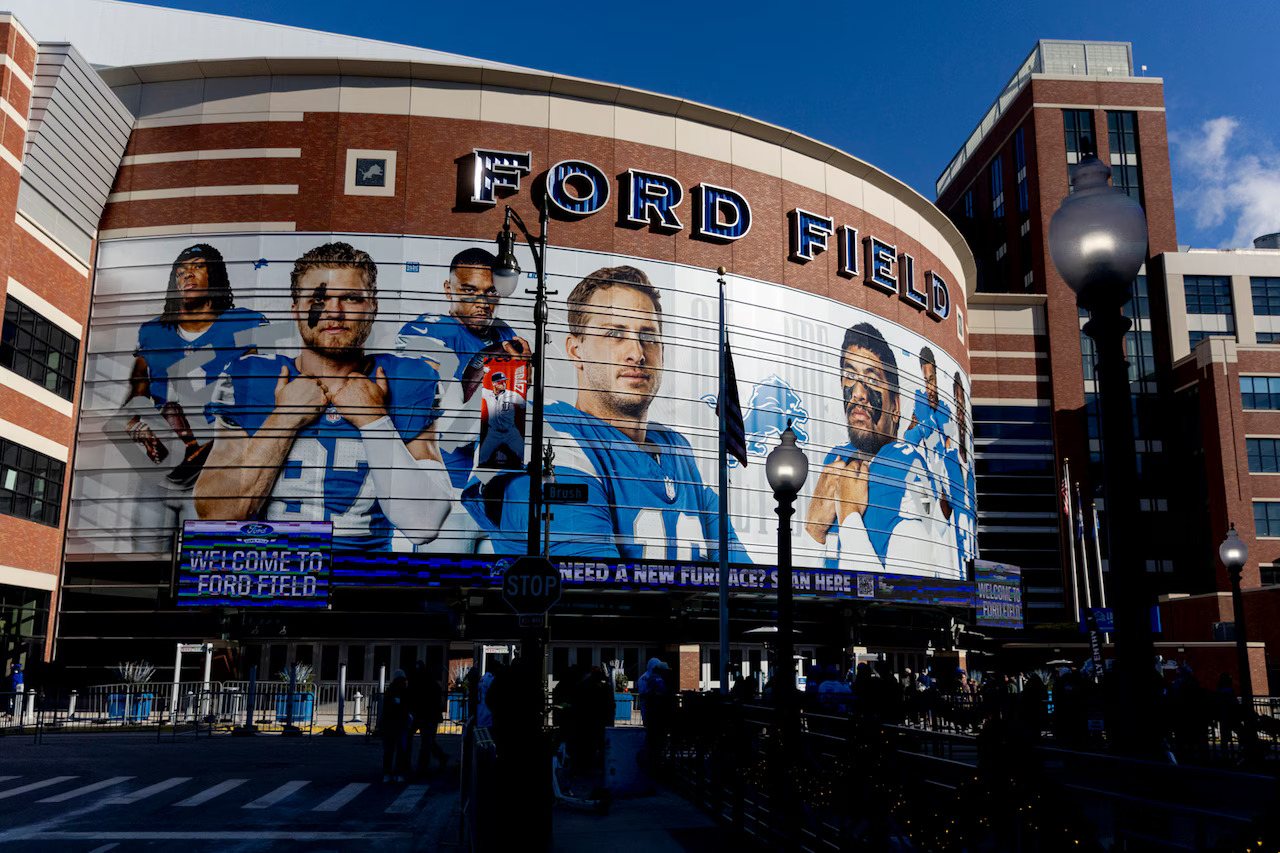
For contenders or rebuilding teams like the Dolphins looking to accelerate timelines, that advantage can be decisive. The Bengals, for instance, are projected to benefit from one of the easiest schedules, a sharp turnaround that could align with roster improvements and position them for a meaningful rise.
But if the Lions’ path appears forgiving, the road facing the Cardinals and Dolphins looks unforgiving in equal measure.
Arizona is projected to have the hardest schedule in the league, with Miami close behind. For the Dolphins, the challenge is compounded by timing. The franchise is entering what many observers describe as a full rebuild, complete with a new head coach, a new general manager and a roster stripped of several key veterans. The result is a team with one of the lowest projected win totals and one of the steepest climbs ahead.
The combination of structural difficulty and organizational transition can be punishing. In modern NFL terms, it often translates into a season defined less by wins and losses and more by long term evaluation.
Between those extremes lies a wide middle tier, where expectations are less certain and outcomes more volatile. The New York Giants are emblematic of that group.
Ranked in the middle of the league in strength of schedule, the Giants sit in what analysts describe as a manageable but unforgiving zone. Their slate is not among the league’s most difficult, nor is it soft enough to offer excuses. Instead, it places the burden squarely on execution.
For a franchise undergoing transition, that nuance matters. The Giants are neither shielded by an easy calendar nor buried by an impossible one. Their trajectory, more than most, will be shaped by internal performance rather than external circumstance.
Historically, teams in this middle band often become the league’s most unpredictable stories. Without the clarity of overwhelming odds, they are forced to define themselves week by week, result by result. For more latest NFL updates, the evolving picture continues to shift.
Elsewhere, the Pittsburgh Steelers occupy a similar space, though with a slightly more demanding outlook. Their schedule reflects both divisional strength and cross conference matchups. For a team adjusting to a new coaching era, the timing presents an immediate test of adaptability.
What makes these projections particularly influential is not just their conclusions, but their methodology.
Unlike traditional strength of schedule metrics, which rely on the previous season’s win-loss records, modern models incorporate projected win totals that account for offseason changes, roster movement and coaching shifts. The result is a forward looking measure that attempts to capture what teams will be, rather than what they were.
Still, the numbers are not destiny.
Strength of schedule remains an imperfect science, as injuries, breakout performances and midseason adjustments can reshape the landscape in ways no model can predict. Even the most accurate projections tend to fall within a narrow margin of error, leaving ample room for surprises.
Yet for all their limitations, these early projections carry weight. They influence betting markets, shape media narratives and, perhaps most importantly, frame the psychological starting point for teams and fans alike.
For the Lions, the conversation will center on opportunity. For the Cardinals and Dolphins, it will revolve around survival. And for teams like the Giants and Steelers, it will be about proving that the middle ground is not a place of mediocrity, but a launchpad for something more.
As the full schedule release approaches, those narratives will only intensify. Because in the NFL, the season does not begin with the first snap. It begins the moment the path is revealed.