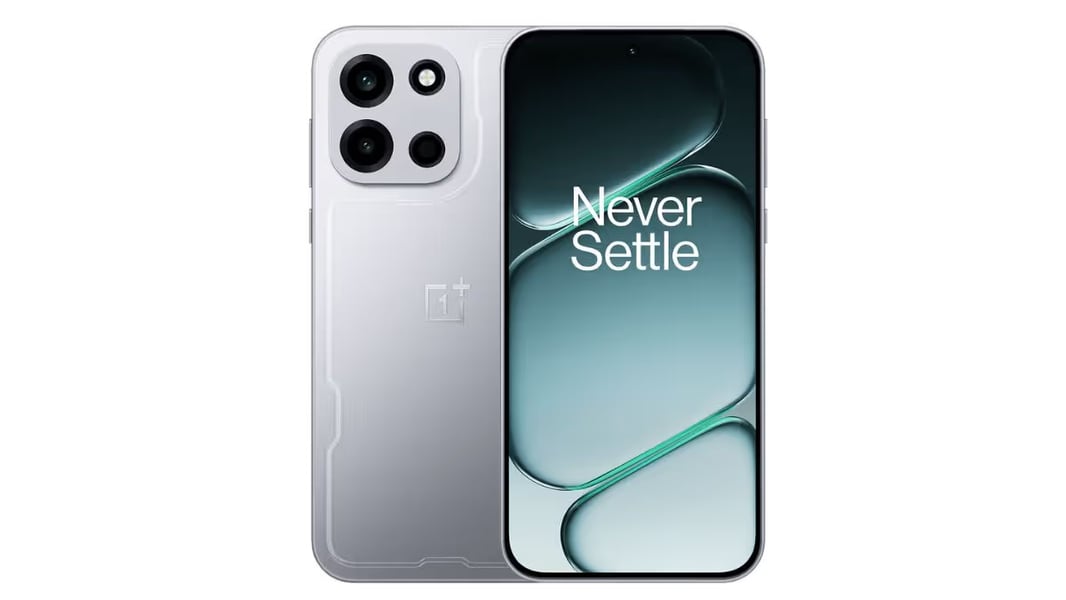

OnePlus has officially launched the OnePlus Nord CE6 and OnePlus Nord CE6 Lite in India, pushing the mid-range smartphone battle into a new phase dominated by giant batteries, ultra-fast refresh rates, and aggressive pricing. The company is marketing the new Nord lineup as a long-lasting, high-performance experience designed for gamers and power users. But within hours of the launch, the conversation online shifted away from hardware and toward something increasingly critical in the Android world: software support.
The controversy erupted after reports suggested the Nord CE6 could receive significantly fewer Android version upgrades than its predecessor, raising questions about OnePlus’ long-term strategy at a time when rivals are dramatically expanding update commitments. For many Android buyers in 2026, battery size alone is no longer enough.
The standard OnePlus Nord CE6 arrives with specifications that appear engineered to dominate the upper mid-range segment. It features Snapdragon 7s Gen 4 chipset, a 6.78-inch AMOLED panel with a 144Hz refresh rate, an 8,000mAh battery, and 80W fast charging. The Nord CE6 Lite, meanwhile, targets budget-conscious buyers with a MediaTek Dimensity platform processor and a 7,000mAh battery while still retaining the high refresh-rate display experience.
The backlash intensified after reports indicated the Nord CE6 may receive only two years of Android updates and four years of Android security patches. If accurate, that would represent a sharp downgrade compared with previous Nord models that received substantially longer support commitments. Android users quickly flooded forums and social platforms questioning why a supposedly more advanced successor would receive weaker long-term software treatment.
On Reddit, frustration appeared almost immediately after launch. One highly upvoted discussion questioned whether the device was “a massive downgrade,” citing concerns over shorter software support despite improvements in battery and display technology.
The criticism highlights a broader shift in the smartphone industry. Software longevity has become one of the biggest competitive battlegrounds in Android. Over the past two years, companies like Samsung and Google Pixel have dramatically expanded support windows, with flagship devices now receiving up to seven years of updates. Even mid-range buyers are increasingly expecting at least four major Android upgrades.
That evolution has fundamentally changed consumer expectations.
A few years ago, large batteries and fast charging were enough to dominate the mid-tier market. In 2026, buyers are also calculating smartphone resale value, long-term app compatibility, security protection, and AI feature support. Phones without extended software lifecycles risk becoming obsolete far earlier, regardless of how powerful the hardware appears at launch.
Ironically, the Nord CE6 may be one of the strongest hardware-focused releases OnePlus has produced in years.
Early reviews praised its battery endurance and gaming capabilities. Reports described the device as fluid and reliable under sustained workloads, with the 8,000mAh battery emerging as one of the largest seen in a mainstream smartphone category this year.
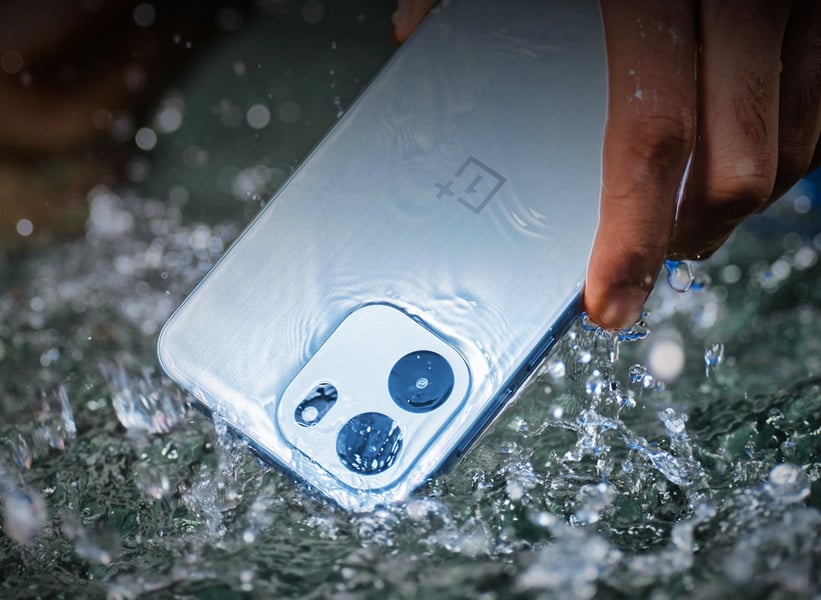
The device also introduces unusually strong durability credentials for a mid-range phone, including IP68 and IP69 ratings alongside smartphone durability certification standards. That combination positions the Nord CE6 as a rugged, long-lasting device physically capable of surviving years of usage.
But critics argue that hardware durability means little if software support disappears early.
Security patches and Android version upgrades now directly influence the usability lifespan of smartphones. Without long-term updates, devices gradually lose Android app compatibility, banking support, AI-powered features, and future ecosystem improvements. Researchers have repeatedly warned that Android ecosystem fragmentation weakens both consumer security and the broader platform.
The timing of the controversy is also difficult for OnePlus.
The smartphone industry is navigating rising component costs, growing AI hardware demands, and increasingly competitive pricing pressure. Companies are attempting to balance premium specifications with profitability while also funding years of software maintenance. Extending support cycles costs money, particularly as AI-powered smartphone features require larger engineering investments.
OnePlus appears to be prioritizing raw specifications and performance marketing over lengthy update guarantees in the Nord CE6 series. Launch messaging focused heavily on gaming responsiveness, battery longevity, high refresh rates, and fast charging instead of clearly communicating Android upgrade timelines.
That strategy may still succeed with performance-focused buyers who upgrade devices every two or three years. India’s smartphone market remains highly sensitive to visible specifications, and giant batteries continue to attract strong consumer attention amid rising smartphone prices in India.
Yet the online reaction suggests that Android buyers are becoming more sophisticated about long-term ownership.
Consumers increasingly understand that modern smartphones are not disposable yearly purchases. Rising handset prices are encouraging users to hold onto devices longer, making Android long-term support a core selling point rather than a technical footnote buried in launch presentations.
The debate also arrives as Google accelerates the Android update cycle and Samsung expands the Samsung One UI 8.5 rollout to older devices, increasing pressure on competitors to match long-term software commitments.
For OnePlus, the Nord CE6 launch now represents more than a standard product cycle. It has become a test of whether hardware innovation alone can still dominate consumer attention in an era increasingly defined by software longevity.
The company has not publicly clarified the full Android update roadmap beyond broader claims about sustained smoothness and long-term fluency. Until that happens, the Nord CE6 may remain caught in a growing debate over what smartphone longevity truly means in 2026.