
Microsoft, Dell and Nvidia are preparing to unveil a new generation of Arm-powered Windows machines built around the long-rumored N1 and N1X chips, setting up a direct challenge to Intel, AMD and Qualcomm in the AI PC race.
Nvidia is finally making its biggest move yet into the Windows PC market, and the company appears ready to do it alongside Microsoft in what could become one of the most significant shifts in personal computing since Apple launched its M-series chips.
According to multiple reports, Nvidia and Microsoft are expected to unveil the first Windows PCs powered by Nvidia-designed processors during a packed week that includes Computex 2026 in Taiwan and Microsoft’s Build developer conference in San Francisco. The new systems are reportedly expected to arrive under Microsoft’s Surface lineup as well as through major PC manufacturers including Dell.
The launch would mark Nvidia’s official entry into the CPU market for mainstream Windows laptops, extending its influence far beyond the AI accelerator and graphics businesses that helped turn the company into one of the world’s most valuable technology firms.
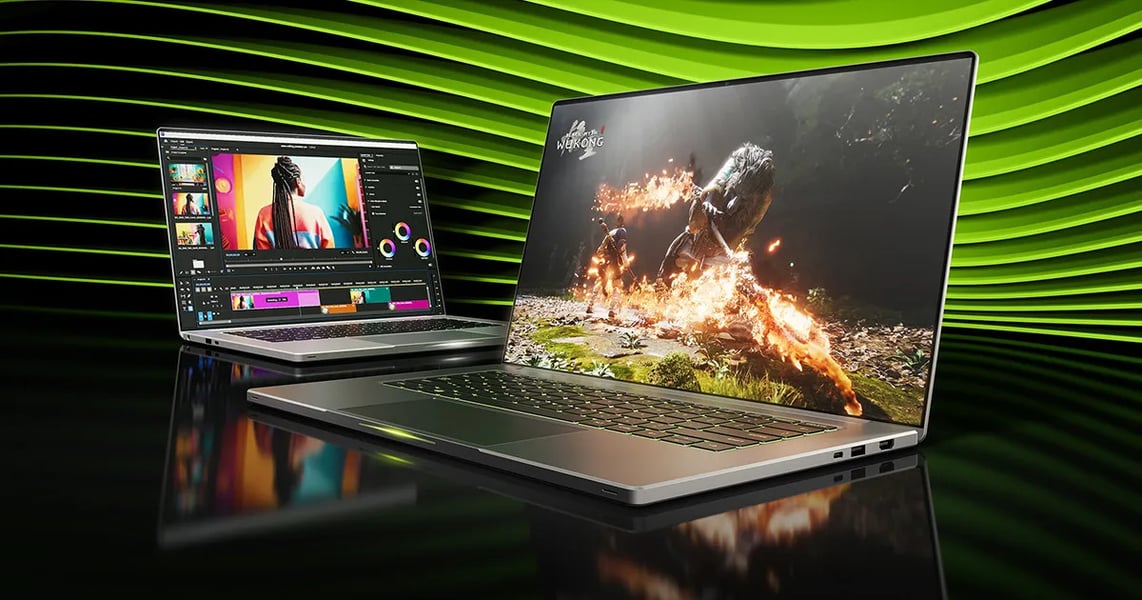
Industry attention is currently focused on Nvidia’s rumored N1 and N1X processors, which have appeared in several leaks ahead of Computex. Reports suggest the flagship N1X could feature up to 20 Arm-based CPUs combined with powerful integrated graphics derived from Nvidia’s Blackwell architecture. If those specifications prove accurate, Nvidia could offer a serious alternative to both traditional x86 processors and Qualcomm’s Snapdragon X lineup.
The timing is particularly important for Microsoft.
Microsoft has spent years attempting to make Windows-on-Arm a credible alternative to Intel-powered laptops. While Qualcomm’s recent Snapdragon-powered Copilot+ PCs improved battery life and AI performance, the broader Windows ecosystem has yet to experience the same transformative moment Apple achieved with its custom silicon strategy. Reuters reported that Microsoft’s efforts to adopt more battery-efficient chips have not yet translated into a major sales surge.
That is where Nvidia enters the picture.
The company already dominates AI infrastructure through its data center GPUs, making it uniquely positioned to bring advanced AI capabilities directly onto consumer devices. Reports indicate Microsoft is also preparing new software features that will allow AI agents to perform more tasks locally on Windows PCs rather than relying heavily on cloud processing. Such capabilities could benefit significantly from Nvidia’s expertise in AI acceleration.
Recent teaser campaigns from Nvidia, Microsoft and Arm have only intensified speculation. Official social media posts from all three companies promoted what they described as “a new era of PC” while pointing viewers toward Taipei, where Computex is taking place. The coordinated messaging strongly suggests a major joint announcement is imminent.
Microsoft has already attempted to cool speculation that a new version of Windows is being revealed, leading many analysts to conclude that the focus is instead on new hardware powered by Nvidia’s silicon. The Verge reported that upcoming Surface devices could become some of the first products to showcase the new platform.
For Nvidia, the move represents a long-term strategic expansion.
Nvidia was developing Arm-based CPUs designed to run Microsoft’s Windows operating system. Two years later, that effort appears ready for commercial debut. If successful, Nvidia would gain direct access to a PC market that ships hundreds of millions of devices annually while creating a new ecosystem for its AI technologies beyond gaming GPUs and enterprise servers.
The broader industry implications are difficult to ignore.
Intel remains the dominant force in Windows laptops, while AMD has gained substantial market share through its Ryzen processors. Qualcomm, meanwhile, has invested heavily in establishing Arm as a legitimate Windows platform. Nvidia’s entrance introduces a new competitor with unmatched AI branding and a reputation for performance leadership across several computing categories.
The biggest question now is whether Nvidia’s chips can deliver the combination of battery life, software compatibility and AI performance necessary to convince consumers and enterprise buyers to embrace yet another processor architecture.
If the N1X and related products live up to the growing hype, the Windows laptop market may be approaching its most disruptive moment in more than a decade. What began as an AI race between cloud providers could soon become a full-scale battle for the future of personal computing, with Nvidia stepping directly into territory long controlled by Intel and AMD.