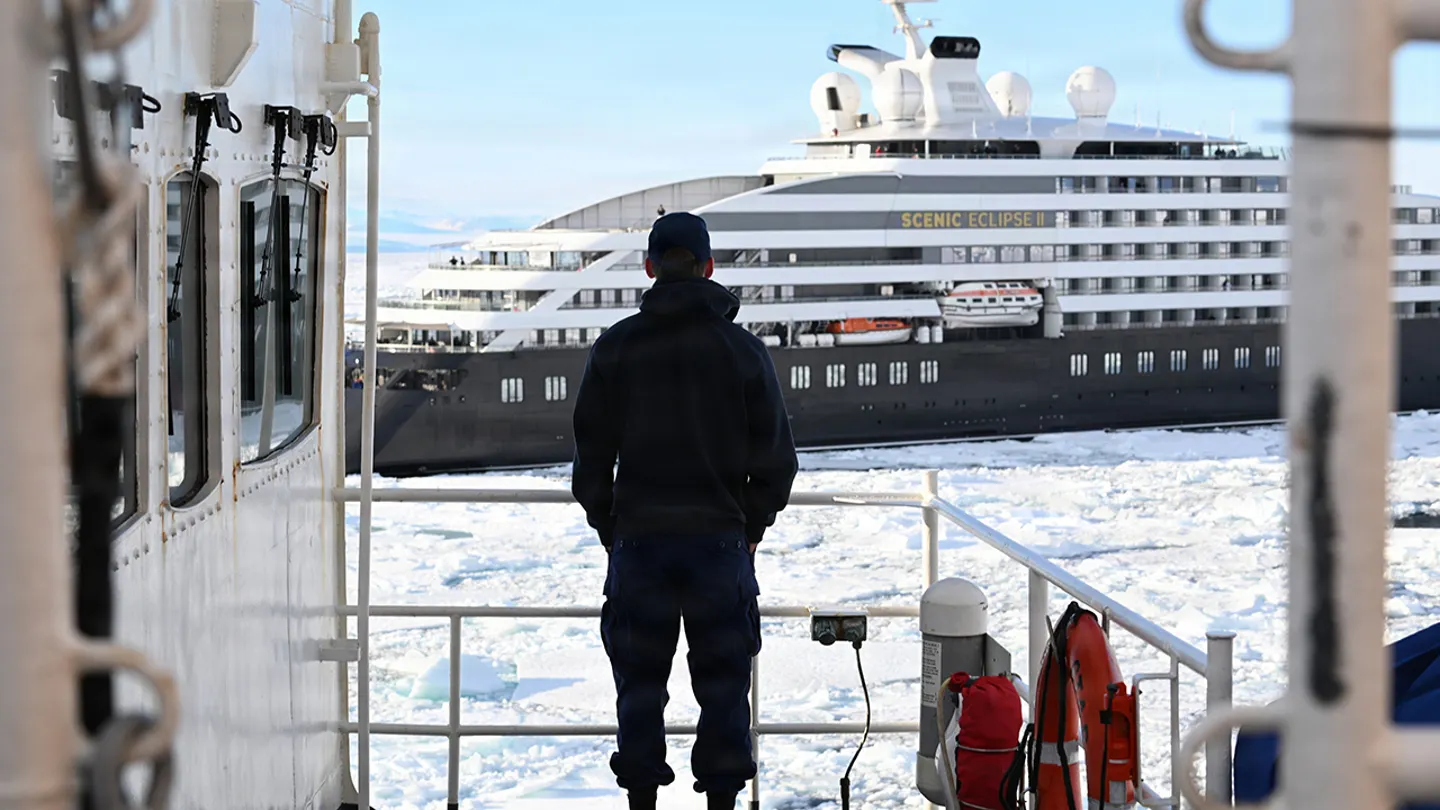

A hantavirus outbreak aboard the expedition cruise vessel MV Hondius has escalated into a coordinated international public health response, with confirmed fatalities, multiple infections, and active monitoring efforts now spanning several continents.
Health authorities have confirmed at least 11 infections and three deaths linked to the outbreak, which originated during a remote South Atlantic voyage departing from Argentina. The situation has rapidly evolved from a contained maritime incident into a cross-border epidemiological challenge, as passengers disembarked in multiple countries before the outbreak was fully identified.
At the center of the investigation is the Andes strain of hantavirus, a rare but severe pathogen associated with hantavirus pulmonary syndrome. The virus is primarily transmitted through rodent exposure, though limited human-to-human transmission has been documented in specific conditions involving prolonged close contact.
For clinical reference on transmission behavior and severity, global health agencies continue to rely on established frameworks outlined by the hantavirus transmission and clinical profile provided by the World Health Organization.
Containment failure at sea and delayed detection
The MV Hondius, a polar expedition vessel operating in remote waters, carried passengers through extended periods of close-contact living conditions. Shared ventilation spaces, communal dining environments, and delayed symptom recognition contributed to conditions that likely amplified transmission risk once the initial infection emerged.
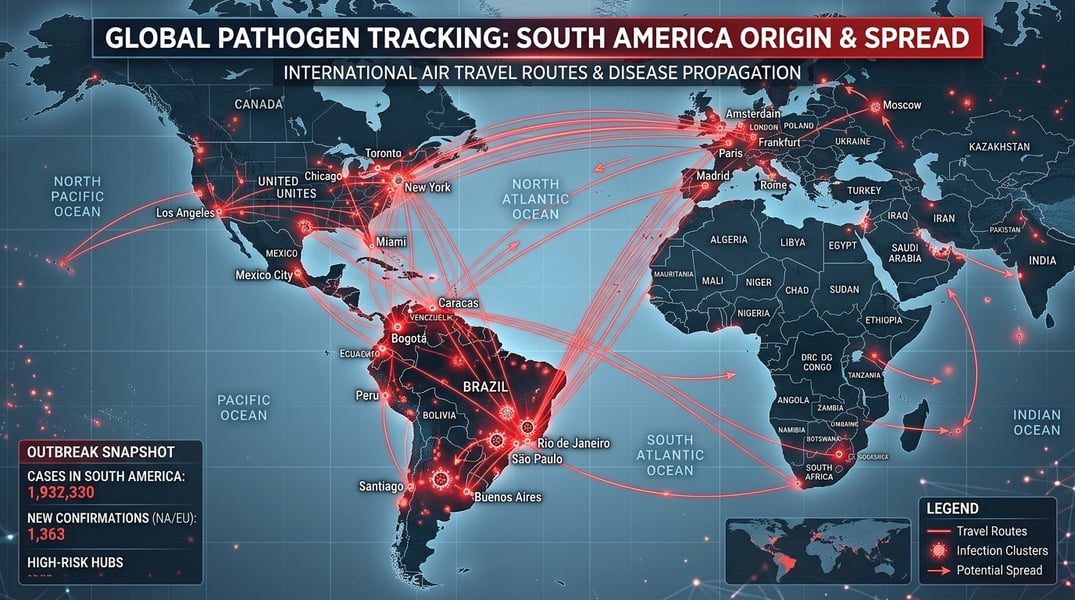
By the time the first severe cases were detected, passengers had already disembarked at multiple international locations, effectively distributing potential exposure across a wide geographic footprint. Health agencies have since initiated coordinated tracing operations across Europe, North America, and other regions.
The outbreak is now formally monitored under international disease surveillance systems, with ongoing updates coordinated through global reporting channels such as WHO outbreak monitoring and case tracking.
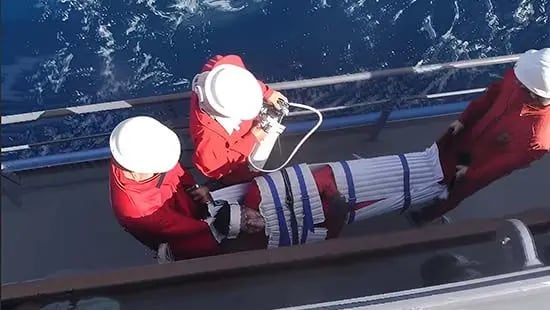
International evacuation and surveillance response
Passengers and crew members have been placed under varying levels of quarantine and medical observation depending on jurisdiction. Several countries have activated emergency infectious disease protocols, focusing on early detection of secondary cases linked to the voyage.
Public health authorities are particularly concerned about the incubation period of hantavirus infections, which can range from several days to weeks. This delayed onset increases the likelihood that infected individuals may travel significant distances before symptoms appear, complicating containment strategies.
Despite heightened concern, epidemiological assessments continue to classify broader population risk as low, citing the virus’s limited transmissibility outside sustained close-contact environments.
Argentina’s role under investigation
The outbreak’s departure point in Argentina has drawn additional scrutiny, particularly regarding whether initial exposure occurred on land or during early stages of the voyage. While no definitive source has been confirmed, investigators are reconstructing passenger movements and early symptom timelines to identify a potential index case.
Separate regional analysis has focused on Argentina’s historical hantavirus presence in rural ecosystems, though current evidence does not suggest a widespread domestic outbreak linked to urban centers or port facilities.
Contextual reporting on earlier escalation patterns in maritime outbreaks is available in prior coverage such as WHO investigation into the MV Hondius outbreak, which detailed early uncertainty surrounding transmission pathways.
Gaps in maritime infectious disease preparedness
Unlike commercial cruise liners operating regulated routes, expedition ships often operate in isolated environments where evacuation and external medical support can be delayed. This structural limitation may have contributed to the delayed identification of the outbreak’s severity.
Previous escalation patterns documented during early stages of the crisis, including containment challenges at sea, were highlighted in reports such as ship isolation and quarantine response in the MV Hondius case.
Global coordination and evolving risk assessment
International health agencies, including the World Health Organization, continue to coordinate surveillance across affected jurisdictions. Clinical guidance emphasizes supportive care for severe hantavirus cases, particularly those progressing to hantavirus pulmonary syndrome, which can rapidly deteriorate into respiratory failure.
For standardized clinical guidance and epidemiological context, authorities frequently reference frameworks such as the CDC hantavirus clinical guidance and epidemiological standards.
European surveillance systems have also been activated, with monitoring coordinated through regional infectious disease networks. Broader comparative frameworks can be found in ECDC hantavirus infection surveillance framework.
Despite the seriousness of individual cases, officials stress that there is no evidence of sustained community transmission beyond the cruise-linked cluster. The primary concern remains secondary spread among identified contacts rather than a broader epidemic trajectory.
A contained outbreak with expanding implications
While the epidemiological footprint of the outbreak remains limited, its operational implications are widening. The dispersion of passengers across international borders before detection has exposed vulnerabilities in early-warning systems for infectious diseases in maritime travel environments.
Prior reporting on the global response trajectory, including cross-border monitoring and evacuation logistics, is detailed in international health alert and passenger tracking response.
The MV Hondius incident underscores a broader reality of modern mobility: rare pathogens can achieve global reach not through mass transmission, but through delayed detection in tightly interconnected travel systems.
As monitoring continues, health authorities are expected to refine quarantine protocols for maritime expeditions and reassess infectious disease preparedness standards for remote voyage operations.