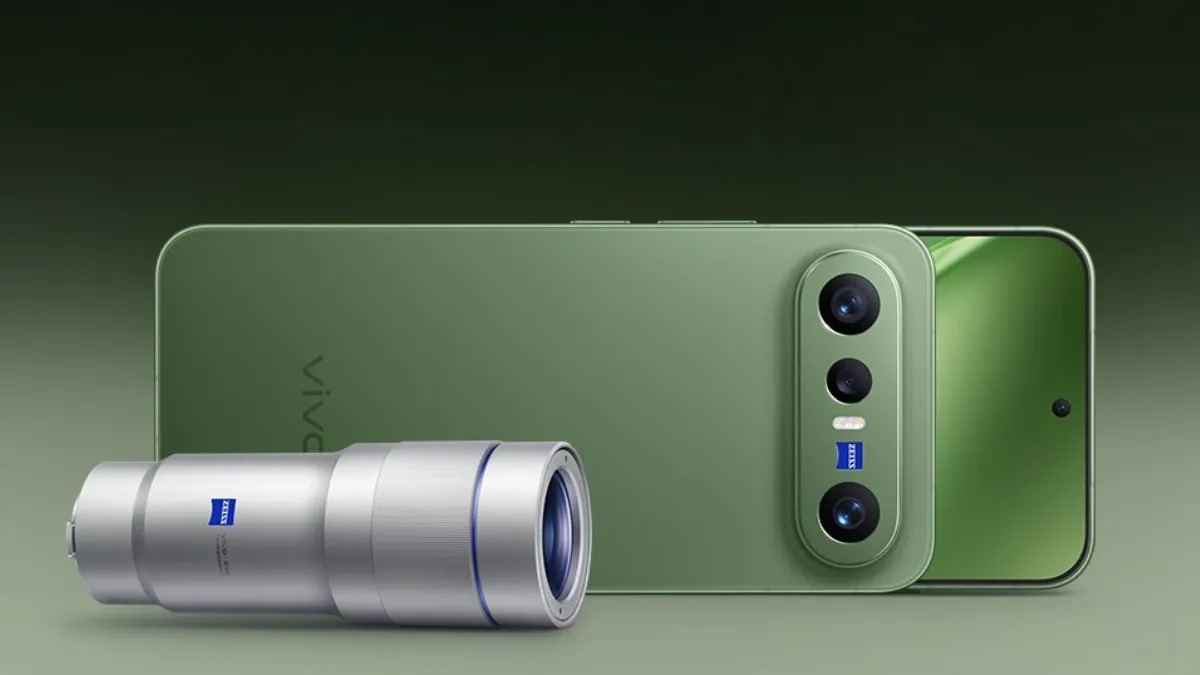

The Vivo X300 Ultra and Vivo X300 FE have entered India’s premium smartphone market with strong expectations and even stronger opinions. Positioned as 2026 flagship contenders, both devices aim to challenge established leaders in performance, camera technology, and AI-driven mobile experiences. Early reviews suggest that while the X300 Ultra is pushing smartphone photography into new territory, the X300 FE is facing scrutiny over its pricing strategy and value proposition.
The launch arrives at a time when competition in the ultra-premium smartphone segment is intensifying, with brands competing not only on hardware but also on computational photography, ecosystem integration, and long-term software support.
Vivo X300 Ultra pushes boundaries of mobile photography
The Vivo X300 Ultra is clearly designed for users who prioritize imaging above all else. The device features an advanced ZEISS-engineered camera system built around high-resolution sensors and refined optics that aim to replicate professional camera behavior in a smartphone form factor.
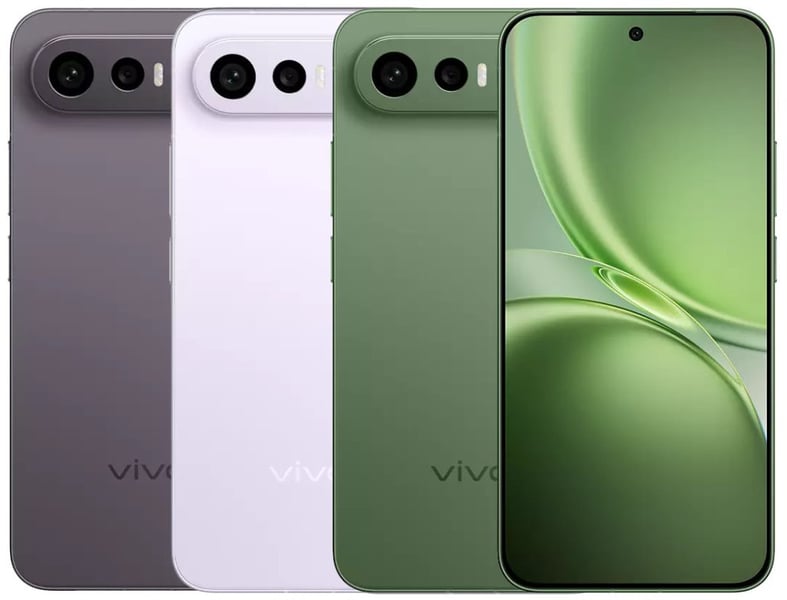
Photography-focused publications have also emphasized its consistency across lenses, suggesting that the ultra-wide, primary, and telephoto systems deliver a balanced output rather than relying on a single dominant sensor. This approach strengthens Vivo’s attempt to position the device as a complete imaging toolkit rather than a single-purpose camera phone.
More detailed hands-on impressions from Android Central highlight strong performance consistency, efficient thermal management, and improved computational processing for low-light photography and motion capture.
Professional-grade camera versatility and creative focus
The Vivo X300 Ultra’s camera system is designed for creators, not just casual users. Its ZEISS partnership continues to play a central role in color science and lens calibration, while computational photography enhancements improve scene detection, portrait accuracy, and night performance.
A detailed breakdown by PetaPixel emphasizes the device’s versatility, noting that it performs exceptionally well across different shooting environments. From ultra-wide landscapes to zoom-heavy compositions, the system is built to reduce dependency on external camera equipment for many creators.
This positions the X300 Ultra not just as a smartphone upgrade, but as a hybrid imaging device aimed at photographers, vloggers, and mobile content professionals who need flexibility without carrying dedicated gear.
Flagship performance and hardware ecosystem
Beyond photography, the X300 Ultra is powered by a next-generation flagship chipset designed for high-performance workloads, gaming stability, and AI processing. Combined with a high refresh rate display and large battery architecture, the device targets users who expect both endurance and peak performance from a single device.
However, the broader competitive landscape shows that hardware alone is no longer enough. Ecosystem integration and software intelligence are becoming equally important factors in flagship differentiation.
This is where Android-based innovation is also evolving rapidly, as seen in broader industry shifts toward AI-assisted system optimization and security improvements. For context, recent developments in Android smartphone security and AI protection features highlight how the operating system itself is becoming a key battleground for user trust and device reliability.
Vivo X300 FE enters the compact flagship debate
Alongside the Ultra model, the Vivo X300 FE aims to attract users who prefer a more compact flagship experience. It retains premium design elements and strong performance capabilities but scales down the imaging system compared to its Ultra counterpart.
The FE model’s positioning has triggered debate among analysts and consumers, particularly around pricing. While it offers flagship-level performance in a smaller form factor, some users question whether its specifications justify its cost in a highly competitive segment.
Pricing and availability details in India have been covered by Times of India, which notes strong positioning but also increasing pressure from competing brands in similar price brackets.
Camera competition intensifies across flagship brands
The smartphone camera race is becoming increasingly aggressive in 2026, with manufacturers pushing computational photography and sensor innovation to new extremes. Vivo’s strategy with the X300 Ultra places it directly in competition with other flagship camera systems, where every incremental improvement in zoom, detail retention, and color accuracy becomes a key differentiator.
This competitive environment is further highlighted in broader flagship comparisons such as camera phone war between Oppo and Samsung in 2026, which shows how tightly contested the premium imaging segment has become.
Future direction of smartphone innovation
The release of the X300 series also reflects a larger industry shift toward AI-driven smartphones and design experimentation. Manufacturers are exploring new form factors, smarter imaging pipelines, and deeper ecosystem integration as competition expands beyond traditional benchmarks.
Broader industry discussions around next-generation devices and long-term design evolution can be seen in coverage such as future smartphone design trends and next-gen iPhone leaks, which underline how rapidly the flagship landscape is evolving.
Conclusion: A divided but ambitious flagship strategy
The Vivo X300 Ultra establishes itself as one of the most advanced camera smartphones currently available, pushing boundaries in mobile photography and creative flexibility. Its combination of ZEISS optics, high-resolution sensors, and computational imaging positions it strongly in the premium segment.
Meanwhile, the Vivo X300 FE offers a more compact alternative that appeals to users seeking flagship performance in a smaller form factor, though its pricing strategy may limit its broader appeal.
Together, the X300 lineup reflects Vivo’s aggressive strategy to dominate the imaging-first smartphone segment while navigating the increasingly complex balance between performance, pricing, and user expectations in the global flagship market.