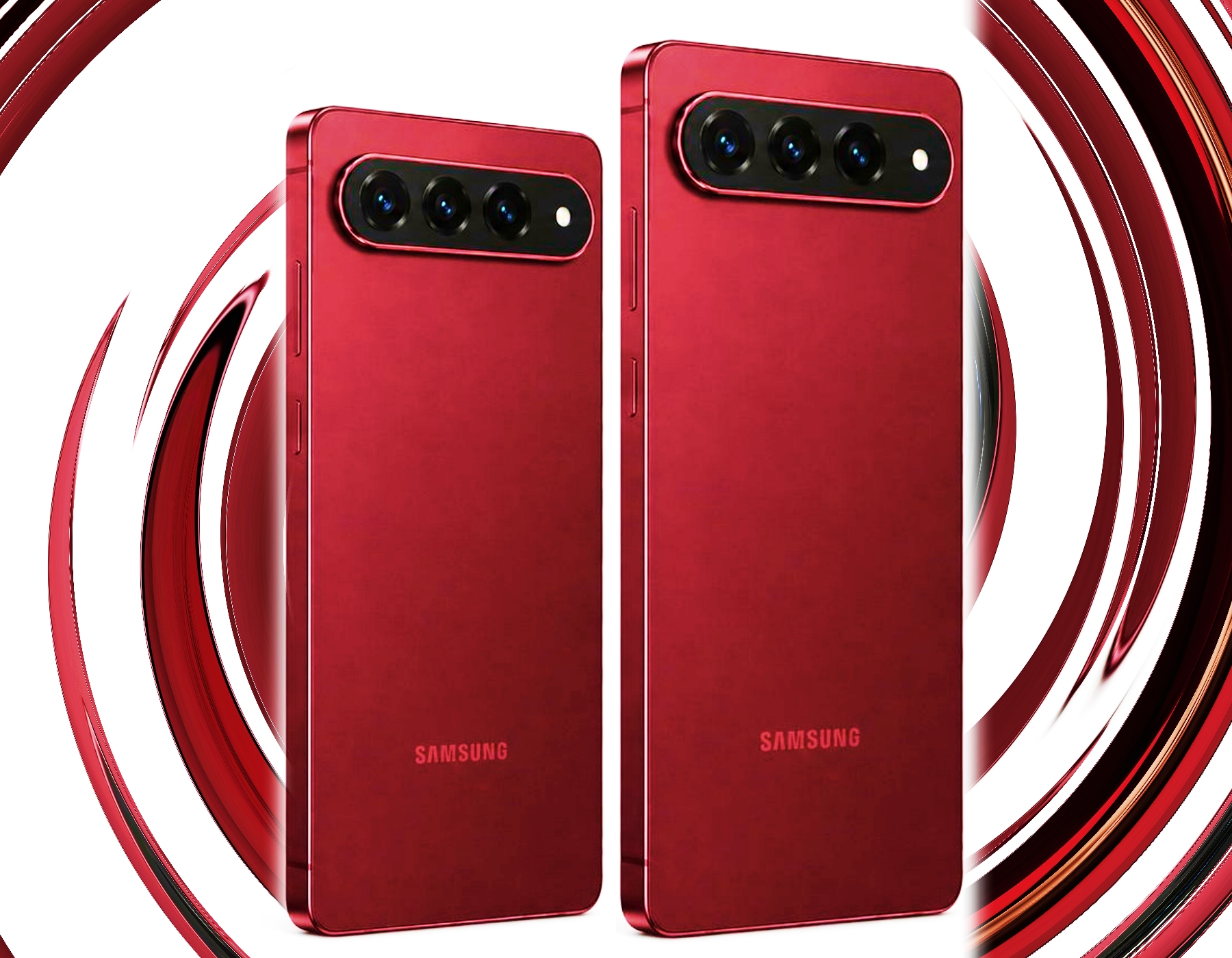

Samsung’s flagship smartphone strategy may be heading toward its biggest redesign in years, with new leaks suggesting the company is preparing a Galaxy S27 Pro model that could blur the line between the traditional Plus and Ultra tiers. The rumored device is expected to deliver many of Samsung’s highest-end smartphone features in a more compact form factor while notably abandoning one of the Ultra lineup’s defining characteristics: the S Pen. latest leaks suggest Samsung is preparing a dramatic shift in its premium smartphone strategy.
The reports arrive as Samsung continues reshaping its premium Galaxy portfolio to compete more aggressively against Apple and emerging Android rivals. According to multiple industry sources, the Galaxy S27 lineup could expand to four models, adding a new “Pro” variant alongside the standard Galaxy S27, Galaxy S27 Plus, and Galaxy S27 Ultra.
What makes the leak especially notable is the reported screen size. The Galaxy S27 Pro is tipped to feature a 6.47-inch OLED display, a size Samsung has reportedly never used before in the Galaxy S series. The positioning would place the device between the base Galaxy S27 and the larger Ultra model, potentially targeting buyers who want flagship-grade hardware without carrying a nearly seven-inch smartphone. The shift could further intensify the Android flagship competition currently reshaping the premium smartphone category.
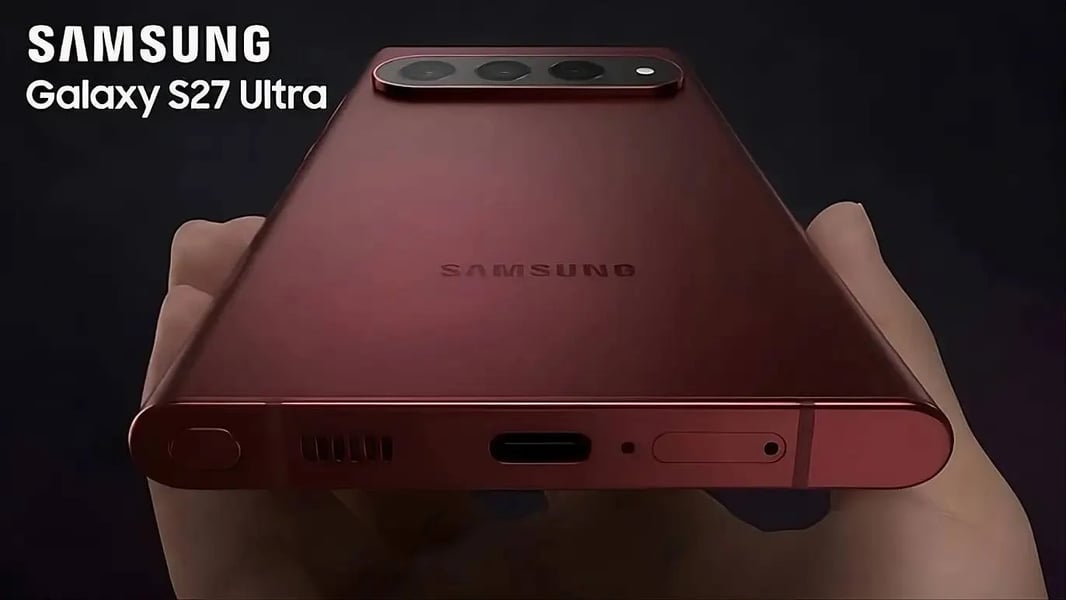
The Galaxy S27 Pro leak also signals another major shift in Samsung’s long-running attempt to merge the Galaxy Note identity into the Ultra brand. Since retiring the Note series, Samsung positioned Ultra phones as productivity-first flagships centered around the built-in S Pen. However, the rumored S27 Pro would reportedly inherit several Ultra-grade specifications while excluding stylus support entirely.
That omission could prove controversial among longtime Galaxy enthusiasts who still associate Samsung’s top flagship experience with the S Pen ecosystem. The stylus has remained one of Samsung’s biggest differentiators against Apple and Google in the premium smartphone market. But Samsung has already shown signs of reducing emphasis on stylus-exclusive features in recent generations, particularly as Galaxy AI features become more central to the company’s ecosystem strategy.
Leakers claim the Galaxy S27 Pro may share core internal hardware with the Ultra model, including flagship Snapdragon silicon, premium camera systems, and high-end display technology. Some reports even suggest Samsung could bring Ultra-level photography hardware to the smaller device, potentially including a 200MP primary sensor and advanced zoom capabilities similar to the rumored Samsung Galaxy S26 Ultra AI camera system.
If accurate, that would mark one of Samsung’s biggest changes to its camera segmentation strategy. Historically, Samsung reserved its best imaging systems for the Ultra lineup to justify the device’s higher pricing and larger footprint. A smaller Pro model with comparable imaging capabilities could dramatically change buying decisions across Samsung’s premium portfolio, especially as Galaxy S27 Ultra battery upgrade rumors continue gaining momentum.
The leak also reflects broader trends across the smartphone industry. Consumer demand for compact flagship phones has quietly grown as devices continue increasing in size and weight. Companies including Google have already experimented with smaller premium models that deliver flagship experiences without oversized bodies. Samsung may now be responding to the same market pressure.
Another factor may involve internal engineering compromises. Eliminating the built-in S Pen could free up valuable internal space for larger batteries, improved thermal management, or enhanced camera hardware in a smaller chassis. As smartphone makers push ultra-thin flagship devices while integrating increasingly powerful AI-focused processors, every millimeter of internal space has become critical.
Samsung is also facing intensifying pressure from Chinese smartphone manufacturers that continue pushing aggressive hardware innovation in the premium Android segment. Companies such as Oppo, Xiaomi, and Vivo are rapidly improving camera systems, charging speeds, and industrial design while experimenting with slimmer and lighter devices.
At the same time, Samsung appears increasingly willing to diversify its Galaxy portfolio beyond traditional upgrade cycles. The company has expanded its foldable lineup, experimented with Edge branding again, and continued pushing AI-centric experiences across both flagship and midrange devices. The Galaxy S27 Pro could become the next stage of that broader restructuring effort, especially following leaks surrounding Samsung Galaxy Unpacked 2026.
Samsung’s broader software ambitions are also becoming increasingly important as the company expands features tied to One UI 8.5 rollout updates and ecosystem-wide artificial intelligence tools. That strategy aligns closely with the growing AI smartphone race currently defining the premium mobile industry.
Competition is also intensifying beyond Samsung’s direct rivals. Google continues pushing smarter communication tools through Google AI calling features, while OnePlus is expanding its software ecosystem with the latest OxygenOS 16.1 update.
While the leaks remain unconfirmed, the consistency across multiple reports suggests Samsung may genuinely be testing a new flagship identity. The company is still far from officially unveiling the Galaxy S27 family, expected sometime in early 2027, meaning specifications and branding could still change substantially before launch.
Still, the rumored Galaxy S27 Pro already raises a major question for Samsung’s future: can the company successfully separate Ultra-level performance from the S Pen identity it spent years building after the fall of the Galaxy Note?
The answer may define Samsung’s premium smartphone strategy for the next decade.