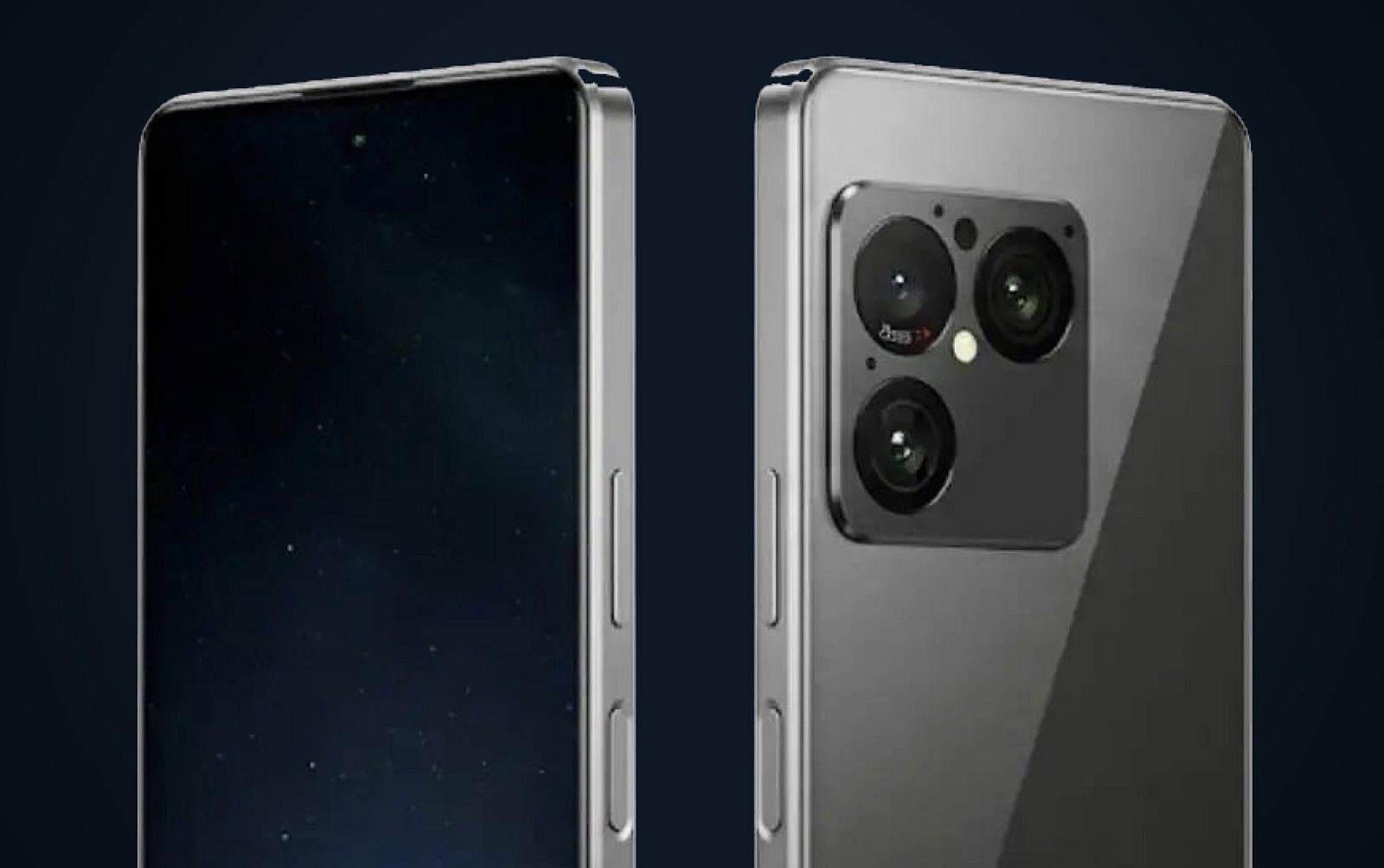

Sony has officially launched the Xperia 1 VIII, and this could be the company’s most aggressive attempt yet to return to the premium smartphone spotlight. After years of sticking to a familiar Xperia formula, Sony has delivered its biggest flagship redesign in recent memory while addressing one of the most common complaints about previous Xperia devices: weak telephoto camera performance.
The Xperia lineup has always enjoyed a loyal following among photography enthusiasts, creators, and audiophiles. Sony phones offered features that rival brands abandoned years ago, including headphone jacks, expandable microSD storage, physical camera shutter buttons, and near-stock Android software. Yet despite those enthusiast-friendly strengths, Xperia flagships struggled to gain mainstream traction against dominant rivals like Samsung Galaxy Ultra devices and Apple’s iPhone Pro models.
This year, Sony appears determined to change that.
The Xperia 1 VIII introduces a completely redesigned camera system, a new premium aesthetic, upgraded AI photography tools, and major hardware improvements designed to make Xperia phones more competitive in the ultra-premium smartphone market. Reports indicate Sony is positioning the Xperia 1 VIII as its most creator-focused flagship ever while simultaneously making the experience more accessible for casual users.
One of the most noticeable changes is the design itself. Sony has finally abandoned the long-running vertical camera strip that defined Xperia phones for years. In its place is a large square-shaped rear camera island that immediately gives the Xperia 1 VIII a more modern flagship appearance. The redesign makes the device look far more aligned with contemporary premium Android phones while still retaining Sony’s distinctive industrial style.
The redesign is not just about appearance. The larger camera housing allows Sony to introduce one of the biggest hardware upgrades in Xperia history.
According to Sony, the Xperia 1 VIII now features a significantly larger 1/1.56-inch telephoto sensor, nearly four times larger than the telephoto sensor used in the previous Xperia flagship. Sony has replaced its old continuous optical zoom system with a new 70mm periscope telephoto lens paired with a 48-megapixel sensor.
That upgrade could finally solve the low-light zoom issues that repeatedly held Xperia cameras back in direct comparisons with Samsung Galaxy Ultra phones and Apple’s Pro Max devices.
Sony is also using three 48-megapixel rear cameras this year, including wide, ultra-wide, and telephoto sensors. The company says RAW multi-frame image processing now works across all rear cameras to improve dynamic range, reduce image noise, and enhance detail retention in difficult lighting conditions.
The improvements arrive as the smartphone camera war intensifies across the premium Android industry, with brands increasingly competing through computational photography and advanced sensor technology.
Artificial intelligence also plays a far bigger role than before.
Sony has added new AI-assisted photography tools designed to simplify the camera experience for users who may not want to rely on manual controls. Features reportedly include automatic framing suggestions, dynamic lighting optimization, scene detection, and intelligent composition assistance. This represents a notable strategic shift for Sony, whose Xperia phones traditionally appealed mostly to professional photographers and camera enthusiasts comfortable adjusting exposure, focus, and color settings manually.
Several analysts believe Sony’s new approach reflects broader smartphone photography trends that increasingly prioritize AI-assisted imaging alongside raw hardware performance.
The Xperia 1 VIII is powered by Qualcomm’s Snapdragon 8 Elite Gen 5 chipset paired with up to 16GB RAM and storage options reaching 1TB in higher-end variants. Sony has also retained support for expandable microSD storage up to 2TB, something that has become increasingly rare among flagship smartphones.
The inclusion of Snapdragon 8 Elite Gen 5 hardware places Sony directly into the latest wave of next-generation Android flagships expected to dominate 2026.
Sony continues to lean heavily into multimedia and creator-focused features. The Xperia 1 VIII still includes a 3.5mm headphone jack, front-facing stereo speakers, Hi-Res Audio support, Dolby Atmos tuning, and a dedicated two-stage physical shutter button for photography enthusiasts.
The device features a 6.5-inch OLED LTPO display with up to 120Hz refresh rate support, HDR capabilities, Gorilla Glass Victus 2 protection, and Sony’s creator-focused color calibration. Sony claims the new Snapdragon chipset also delivers around 20% better performance compared to the previous Xperia generation.
Industry observers say the company’s renewed focus on mobile imaging innovations could help Xperia regain visibility in a crowded flagship market dominated by Samsung, Apple, Xiaomi, and Oppo.
Battery life remains another major focus. Sony retained the 5,000mAh battery but says the Xperia 1 VIII can deliver up to two days of usage under typical conditions. The phone supports 30W wired charging and wireless charging, while new processing optimization features are designed to reduce power consumption during demanding tasks like gaming and navigation.
Sony is also introducing several new color options this year, including Graphite Black, Garnet Red, Iolite Silver, and Native Gold. The company appears to be emphasizing premium finishes and improved ergonomics as part of its broader redesign strategy.
Early reviewers conducting extensive review testing have particularly praised the improved camera consistency and stronger low-light zoom performance compared to older Xperia devices.
Still, the Xperia 1 VIII is unlikely to escape criticism.
The removal of Sony’s continuous optical zoom system may disappoint longtime Xperia fans who appreciated the flexibility of variable focal lengths. Sony is betting that the larger fixed telephoto sensor will produce better real-world image quality even if some zoom versatility is sacrificed.
Pricing could also become a major obstacle. The Xperia 1 VIII reportedly starts around £1,399 in Europe, while higher-end configurations climb significantly higher. Some early leaks suggested pricing above £1,700 depending on storage variants and bundled accessories.
That premium positioning places Sony directly into fierce Android flagship competition against Samsung’s Galaxy Ultra lineup and Apple’s latest Pro Max models.
Software support remains another area where Sony trails Samsung and Google. Sony is reportedly offering four Android OS upgrades and six years of security updates, which may feel underwhelming at this premium price point.
There is also disappointing news for US buyers. Reports indicate Sony once again has no plans for an official US launch, limiting the Xperia 1 VIII primarily to Europe and parts of Asia.
Still, the Xperia 1 VIII could represent a turning point for Sony’s mobile division. By modernizing the design, dramatically upgrading the camera hardware, embracing AI-powered photography, and retaining enthusiast-focused features that competitors abandoned, Sony may finally have a flagship capable of attracting attention beyond its niche fanbase.
The device also arrives amid growing demand for futuristic camera technology and increasingly sophisticated creator tools inside modern smartphones.
For the first time in years, Sony’s Xperia flagship does not simply look like a phone built for Xperia loyalists. It looks like a serious attempt to challenge the biggest names in premium smartphones.