
Apple is preparing to reshape live sports broadcasting with a landmark Major League Soccer production that will be filmed entirely using the iPhone 17 Pro. The upcoming LA Galaxy vs Houston Dynamo FC match, scheduled for May 23, 2026, will stream live on Apple TV and marks the first time a major professional sporting event is captured end to end on smartphone hardware.
The announcement was confirmed by Apple in its official newsroom, highlighting the company’s push into next-generation sports production workflows that rely on mobile-first imaging systems and computational video processing
Apple TV live MLS broadcast announcement. The initiative is part of Apple’s broader expansion of live sports programming on Apple TV, which already includes Major League Soccer and other premium sports rights.
A new era of mobile-first sports production
Apple will deploy multiple iPhone 17 Pro devices across the stadium to capture the match from angles traditionally reserved for fixed broadcast rigs. These include sideline close-ups, net-level perspectives, and crowd-facing immersive shots designed to enhance the viewing experience for global audiences.
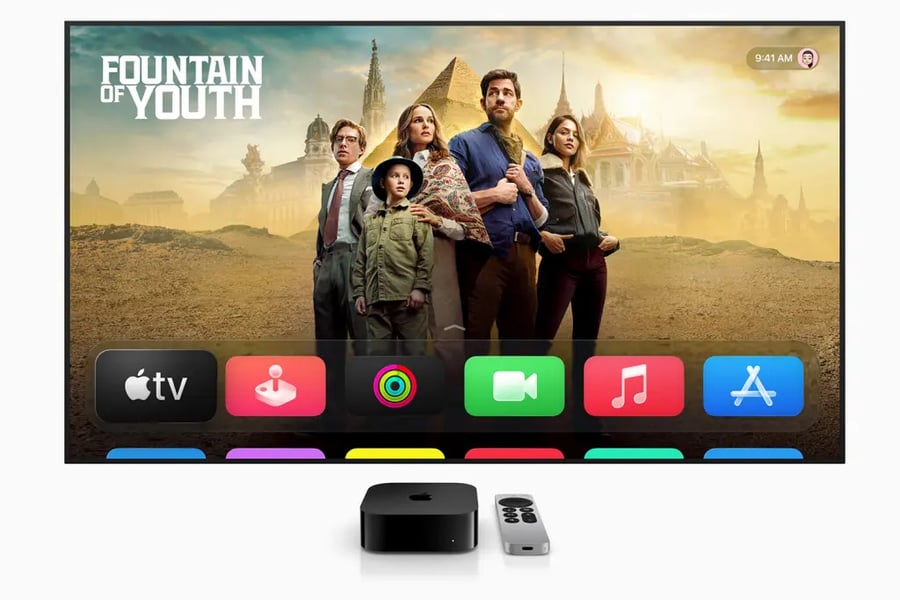
iPhone 17 Pro sports production debut.
Apple has also emphasized advanced computational imaging features designed to maintain high dynamic range and color accuracy in fast-moving environments. These tools are increasingly central to Apple’s vision of transforming mobile devices into professional-grade production tools.
MLS and Apple TV deepen streaming partnership
The match is part of Apple’s long-term partnership with Major League Soccer, which has positioned Apple TV as the exclusive global streaming home for MLS content. The LA Galaxy vs Houston Dynamo FC broadcast represents a new phase in that relationship, where production innovation becomes as important as distribution rights.
Industry coverage of the MLS streaming ecosystem has highlighted Apple’s growing influence in sports media, particularly through its integration of live matches, highlights, and exclusive content into a unified streaming platform. The evolution of this partnership is further explored in MLS streaming coverage discussions across sports media MLS streaming coverage.
This shift is also part of Apple’s broader Apple TV sports expansion strategy, which continues to position the platform as a premium destination for live sports audiences globally
Apple TV sports expansion.
Industry reaction and production challenges
While the announcement has been widely praised as a breakthrough in sports broadcasting technology, it has also raised questions about reliability and consistency in high-pressure live environments.
According to industry reporting, including analysis from major entertainment and media outlets, one of the key concerns is whether smartphone-based systems can fully replace traditional broadcast cameras in terms of stability, zoom capability, and operational resilience during unpredictable match conditions
Apple TV streaming innovation.
Some analysts argue that while the iPhone 17 Pro introduces powerful imaging capabilities, live sports production still depends on hybrid workflows that combine mobile devices with professional stabilization systems and broadcast infrastructure.
Broader implications for sports broadcasting technology
The experiment is being closely watched by the wider media industry, particularly as streaming platforms compete to differentiate themselves through production quality rather than just content libraries.
The use of smartphones in live sports filming could significantly reduce equipment complexity and enable new camera placements that were previously impractical. However, critics caution that mobile-first production still faces limitations in optical zoom performance and long-duration stability.
Discussions around sports broadcasting technology debate continue to grow as Apple pushes deeper into live production innovation sports broadcasting technology debate.
A turning point for live sports streaming
If successful, the LA Galaxy vs Houston Dynamo FC match could represent a defining moment in the evolution of live sports media. Apple TV’s growing role in MLS coverage, combined with its willingness to experiment with production hardware, suggests a long-term strategy aimed at controlling both the distribution and creation of sports content.
The match will not only test the capabilities of the iPhone 17 Pro but also signal whether mobile-first production can scale to meet the demands of global sports broadcasting audiences. For Apple, it is an opportunity to prove that the future of live sports may be filmed, quite literally, from the palm of a hand.