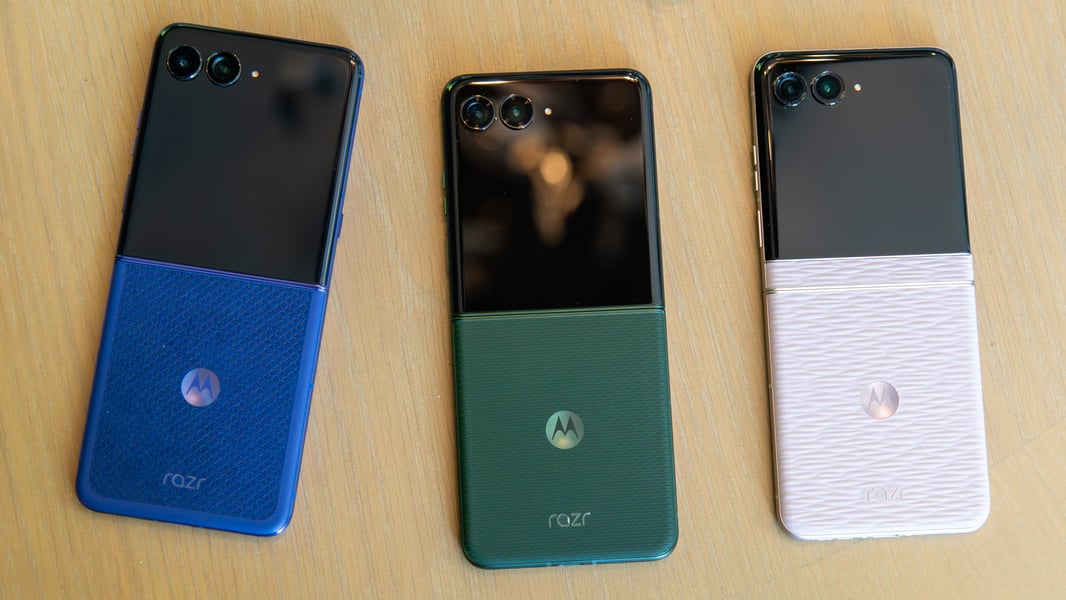

Motorola is making an unexpected power move in the foldable smartphone market, and the company’s new Razr 2026 lineup may be its most aggressive attempt yet to disrupt Samsung’s dominance. What began as a routine product refresh has rapidly turned into one of the biggest smartphone stories of the Memorial Day sales season, thanks to deep carrier discounts from T-Mobile and AT&T, renewed consumer interest in flip phones, and a surprisingly ambitious expansion of the Razr brand.
The 2026 Razr lineup includes three major devices: the standard Motorola Razr 2026, the premium Razr Ultra 2026, and Motorola’s first true book-style Motorola Razr Fold. Together, the phones represent Motorola’s biggest foldable push in years and possibly its clearest strategy to make foldables mainstream instead of niche luxury gadgets.
T-Mobile has emerged as the most aggressive carrier in the race. The company is advertising several On Us promotions tied to qualifying unlimited plans, including major bill-credit offers on Motorola foldables. Some promotions effectively reduce the cost of the new Razr models to zero upfront for customers adding new lines or trading in eligible devices.
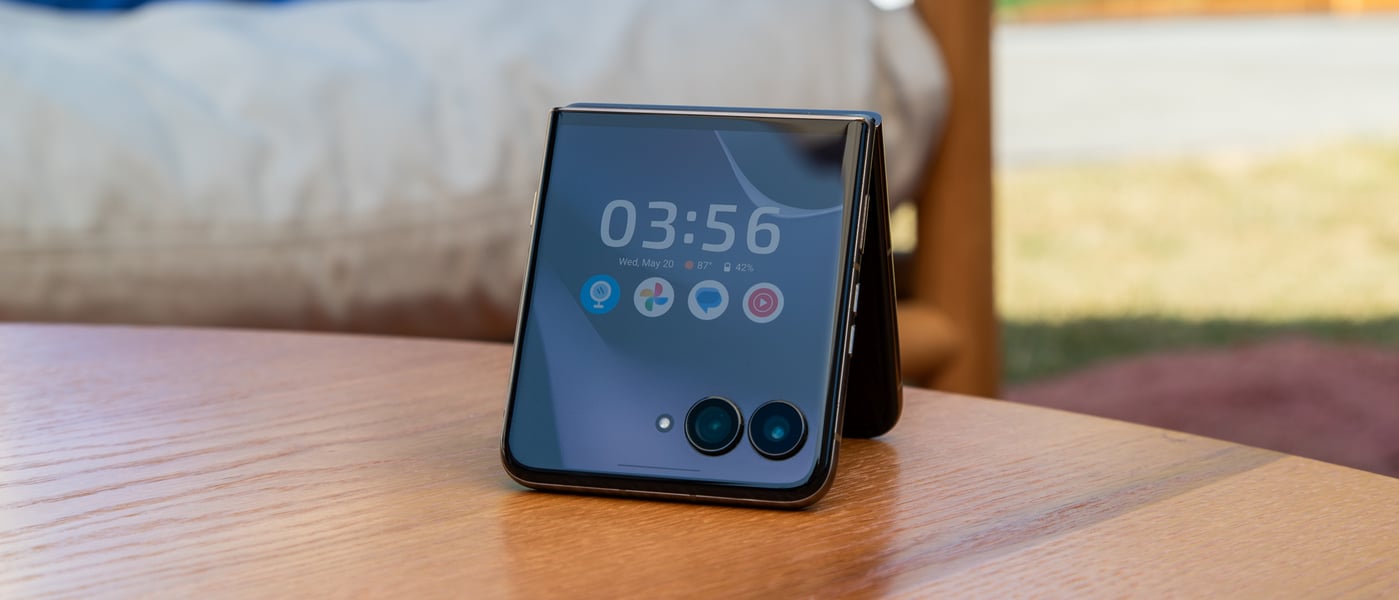
The standard Motorola Razr 2026 is positioned as the entry-level foldable for mainstream consumers. Reviews published this week describe it as one of the strongest budget foldables currently available, despite a higher price tag than last year’s model, pointing to meaningful hardware upgrades including a larger 4,800mAh battery, improved durability, and a new ultrawide camera system.
The device retains Motorola’s familiar clamshell design but introduces several internal improvements. It now runs on MediaTek’s Dimensity 7450X chipset and ships with Android 16 alongside Motorola’s updated Hello UX software layer.
Foldables have struggled to become truly mainstream because consumers often see them as expensive experiments rather than essential upgrades. Samsung still dominates the category globally, but market growth has slowed as prices remain high and consumers question long-term durability. Motorola appears to be attacking both problems simultaneously by emphasizing affordability and practical upgrades.
The company is also betting heavily on AI-enhanced software experiences, integrating smarter multitasking tools, split-screen optimizations, and upgraded external display functionality across the new lineup. The Razr Fold in particular is being marketed as a productivity-focused device that bridges the gap between smartphones and tablets.
Unlike the flip-style Razr phones, the Razr Fold uses a book-style design similar to Samsung’s Galaxy Z Fold series. Popular Mechanics described it as a serious contender in the premium foldable space, highlighting its 6,000mAh battery, 80W wired charging, triple 50MP rear cameras, and Snapdragon flagship chipset.
For many consumers, the Razr name still evokes nostalgia from the original flip phones that dominated the mid-2000s. Motorola has spent several years attempting to modernize that legacy into a premium Android foldable identity, but earlier models often felt experimental or overpriced. The 2026 lineup feels more focused and commercially aggressive.
AT&T is also pushing Motorola devices heavily during the Memorial Day shopping period, with promotions structured around installment agreements and wireless plans. The carrier has increased marketing visibility for foldables overall as competition intensifies among premium Android devices.
Whether Motorola can genuinely challenge Samsung’s foldable leadership remains uncertain, but the company has clearly succeeded in reigniting consumer attention around the Razr brand.
And for the first time in years, Motorola’s foldable strategy looks less like nostalgia and more like a serious threat.