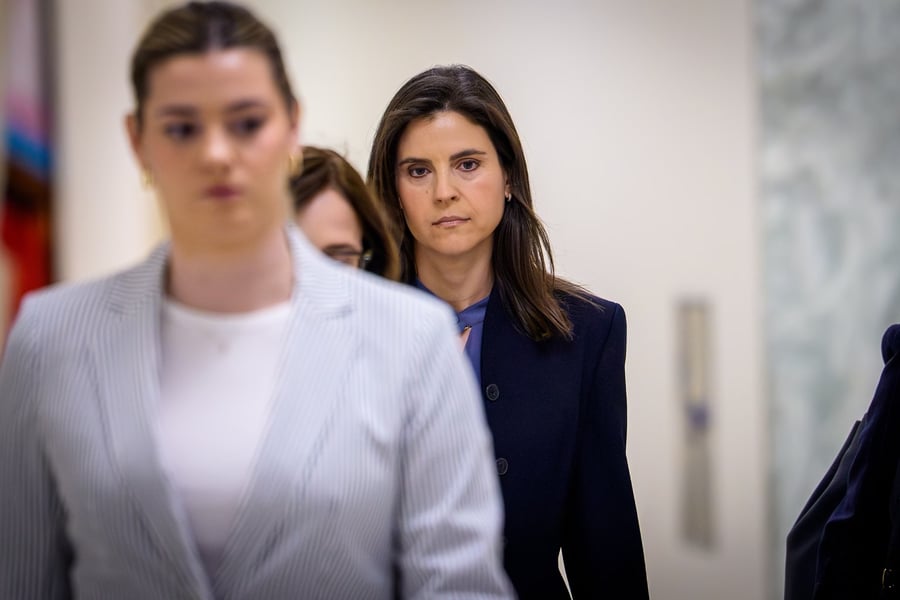

The battle over the Epstein files entered a more volatile phase this week after Sarah Kellen, one of Jeffrey Epstein’s closest longtime aides, appeared before the House Oversight Committee and reportedly identified new figures tied to abuse allegations surrounding the disgraced financier.
Kellen, who testified before the House committee, spent years inside Epstein’s inner circle and was once identified by federal prosecutors as a possible “co-conspirator” in Epstein’s controversial plea agreement.
For years, victims accused Kellen of helping maintain the machinery around Epstein’s trafficking network, arranging travel, schedules, and access to young women across properties in New York, Palm Beach, Paris, and the US Virgin Islands.
But during her closed-door testimony in Washington, Kellen attempted to redraw that image entirely.
According to reporting from ABC News, Kellen described herself as another victim trapped inside Epstein’s world of manipulation, intimidation, and dependence. She told lawmakers Epstein “groomed” and sexually and psychologically abused her for years.
House Oversight Committee Chairman James Comer later called the deposition the committee’s “most substantive, productive interview” so far and confirmed Kellen identified “three names” investigators had not previously heard during the probe.
The revelations immediately intensified scrutiny over the federal government’s handling of the Epstein investigation, including years of sealed evidence, disputed plea deals, and accusations that powerful elites received extraordinary protection.
The congressional inquiry has steadily expanded beyond Epstein himself.
Internal committee documents show lawmakers are now examining the federal investigation into Epstein, the conduct of federal prosecutors, missing evidence, disputed timelines, and allegations of political interference tied to the wider scandal.
Pressure on the Department of Justice surged after the Department of Justice released millions of documents linked to Epstein’s network following mounting demands from Congress and victims’ advocates.
The disclosures included emails, flight logs, contact books, photographs, financial records, and internal investigative files connected to Epstein and longtime associate Ghislaine Maxwell.
Yet instead of easing public outrage, the releases fueled even greater suspicion.
Critics accused federal authorities of excessive secrecy after heavily redacted records began appearing in waves late last year. Questions surrounding the blacked-out materials intensified after reports raised questions surrounding redacted records tied to politically sensitive communications.
Congressional investigators and online researchers later discovered that some digital redactions could allegedly be bypassed using basic software tools, exposing hidden text underneath sections authorities intended to conceal.
The controversy exploded further after reports surfaced that some records temporarily disappeared from DOJ systems without explanation.
Those developments fueled accusations of DOJ withholding records and intensified bipartisan criticism of the agency’s handling of the files.
Several lawmakers reviewing unredacted materials publicly hinted that the full scale of the Epstein archive may be far larger than what has been disclosed publicly.
The issue has become politically explosive because the files reportedly contain references involving billionaires, politicians, celebrities, financiers, academics, and influential business figures from both the US and Europe.
While appearing in the records does not itself imply criminal wrongdoing, the scale of Epstein’s access to elite circles has strengthened public suspicion that influence and power insulated key figures from scrutiny for years.
One of the most sensitive developments tied to Kellen’s testimony involves former Miami Beach mayor Philip Levine.
According to reporting by the Miami Herald, Kellen accused Levine of sexually assaulting her during the years she worked around Epstein’s network.
The newspaper also reviewed emails showing communications between Levine, Epstein, and Maxwell dating back years.
Levine has not publicly responded in detail to the allegation.
The claims have widened the political stakes surrounding the investigation and intensified fears that additional names could emerge as Congress digs deeper into the files.
The scandal has also expanded beyond Washington politics into a broader cultural obsession.
A controversial New York exhibit displaying millions of pages of records tied to Epstein’s network has drawn major attention online and is expected to tour nationally.
Organizers behind the Epstein files exhibit say the project is designed to expose what they describe as decades of institutional silence surrounding Epstein’s operation and his connections to influential elites.
Meanwhile, independent archivists, journalists, and online investigators continue building searchable databases to preserve the files outside government control amid fears that politically damaging records could remain hidden indefinitely.
The growing outrage has fueled political backlash surrounding the Epstein files and renewed demands for complete transparency from federal agencies.
Some critics now argue the scandal represents something larger than Epstein himself.
For many Americans, the case has become symbolic of a justice system where wealth, political access, and institutional influence can shield powerful figures from accountability.
That perception helps explain why public scrutiny over the Epstein files continues to intensify years after Epstein’s death inside a Manhattan jail cell.
Congress has already signaled additional interviews and subpoenas could follow as investigators continue examining the global accountability over alleged trafficking network tied to Epstein and Maxwell.
Lawmakers are also reviewing evidence connected to Jeffrey Epstein’s fortune, financial operations, and relationships with powerful associates whose names continue surfacing in newly released documents.
At the same time, renewed public attention surrounding the Jeffrey Epstein suicide note and disputed details of his death has fueled further speculation online about what information may still remain concealed.
Sarah Kellen’s testimony did not settle those questions.
It made them even harder to ignore.