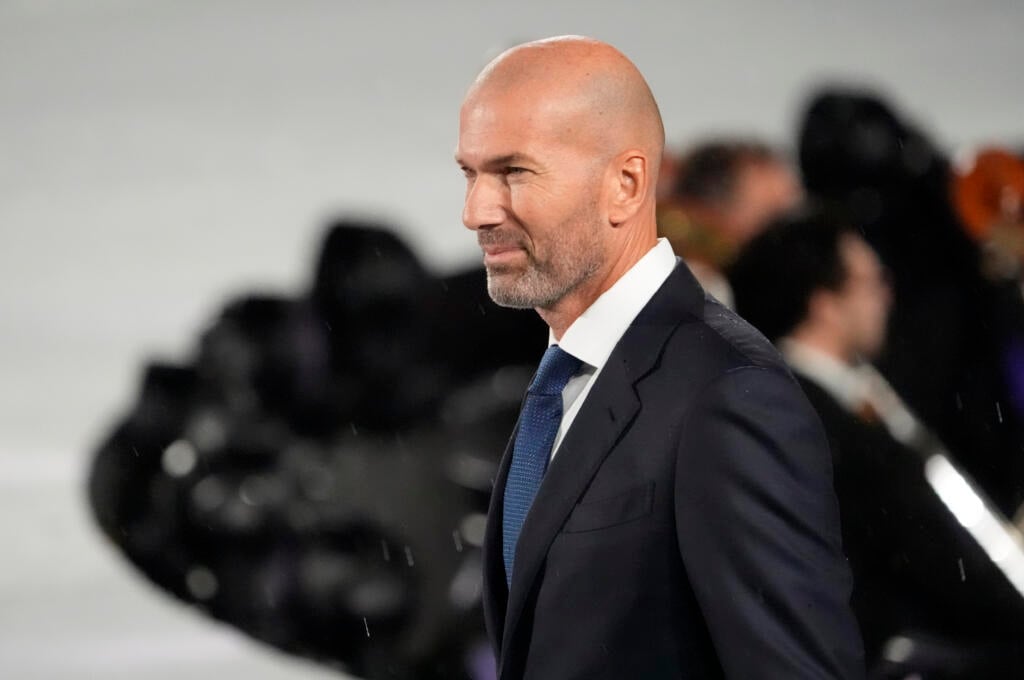

PARIS – Zinedine Zidane said Tuesday he could have had a shorter contract with the French federation years ago. He did not want one. “Deschamps was there,” Zidane said at his introductory press conference, “and the very next day I knew I wanted to be the next one.” Five years after leaving Real Madrid, the day arrived.
The French Football Federation confirmed Zidane, 54, as France’s head coach Tuesday, signing him to a four-year deal running through the 2030 World Cup. Al Jazeera reported the appointment ends a calculated waiting period – Zidane declined club positions across European leagues over five years, holding out specifically for this role – and formalizes a handover from Didier Deschamps that the FFF had been negotiating for months.
Deschamps departs after 14 years at the helm and 185 matches, carrying a 2018 World Cup title, a UEFA Nations League in 2020-21, and final appearances in the 2016 European Championship and the 2022 World Cup. Mbappé broke the all-time World Cup scoring record in the third-place match, a 6-4 loss to England – the last game of Deschamps’ 14-year tenure. He departs as the most decorated manager in French football history, though a fourth-place finish at a tournament hosted by the United States was the send-off.
Zidane won three consecutive UEFA Champions League titles at Real Madrid across two stints, the first ending in 2018 and the second in 2021. He has not managed a club since. “I’ve always looked at this team through the eyes of a future manager,” he said. “I didn’t take a club job for that reason.” The patience was consistent: the French national team was the only position he considered worth the wait.
FIFA’s World Cup 2026 Best XI featured three Real Madrid players, none of them French. Spain’s 1-0 World Cup final win over Argentina drew more than 60 million US viewers; France did not reach the final. What Zidane inherits is an attacking group – Kylian Mbappé, Ousmane Dembélé, Michael Olise, Bradley Barcola, Désiré Doué – that most managers would build entire tournaments around. How France conceded six goals against England in a third-place playoff is the other inheritance.
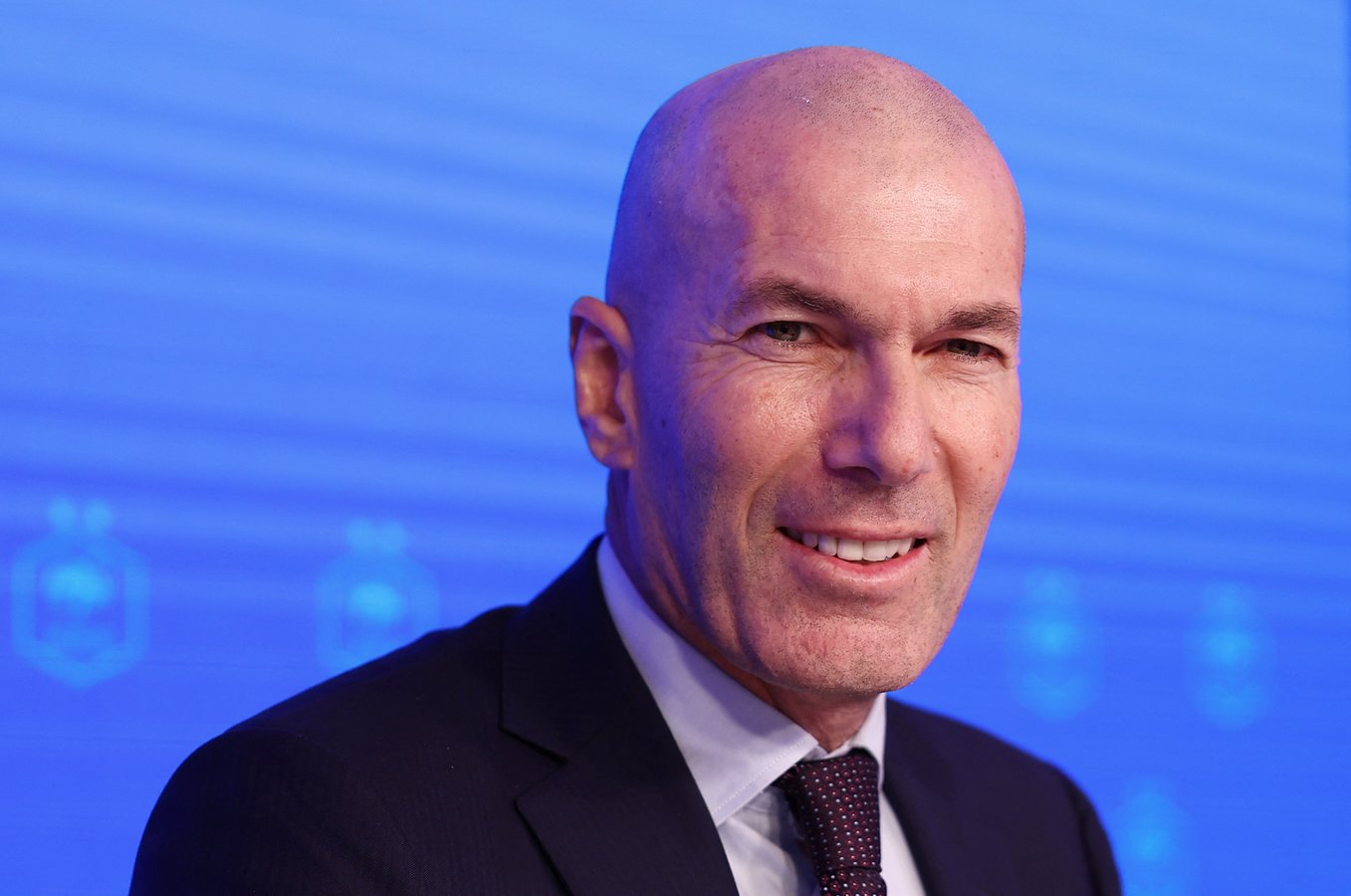
Zidane’s first competitive fixtures are in the UEFA Nations League: an away tie in Turkey, followed by a home match against Italy at the Stade de France on October 2. His staff will include David Bettoni, his long-serving assistant from the Real Madrid years. Whether his tactical approach – built around intensive pressing and vertical transitions at club level – translates to international football, where players arrive on ten-day notices rather than full pre-seasons, will not be readable until those October results are in.
Reports of the appointment circulated in mid-July, citing L’Equipe’s sourcing that Zidane had reached a verbal agreement with the FFF while the 2026 World Cup was still running. Tuesday’s confirmation came as Deschamps formally completed his final obligations as coach, and the handover was made official.
Both men know each other well: they were teammates on France’s 1998 World Cup-winning side, the tournament most compared to the 2026 edition in terms of host-nation expectation and global audience. Deschamps was the captain of that team; Zidane scored twice in the final against Brazil. The FFF’s appointment is partly a wager on that association – that the player most identified with French football’s defining moment can revive a team that did not come close to repeating it.
“The France job was the only one I wanted,” Zidane said. As Yahoo Sports reported, he described it as the happiest day of his coaching career. “I’ve waited five years for this chance, so that’s why I’m a bit emotional.” Whether that emotion produces results against opponents who have spent five years studying his methods is what the Nations League will begin to answer in October.
Zidane begins official duties September 1. The four-year deal runs to the 2030 World Cup, meaning he would manage France through one full qualification cycle and potentially into a second. The federation has selected the figure most associated with France’s greatest footballing moment to lead the team into the next one. Whether Zidane the manager can match what Zidane the player represented is the question French football will spend the next four years answering.