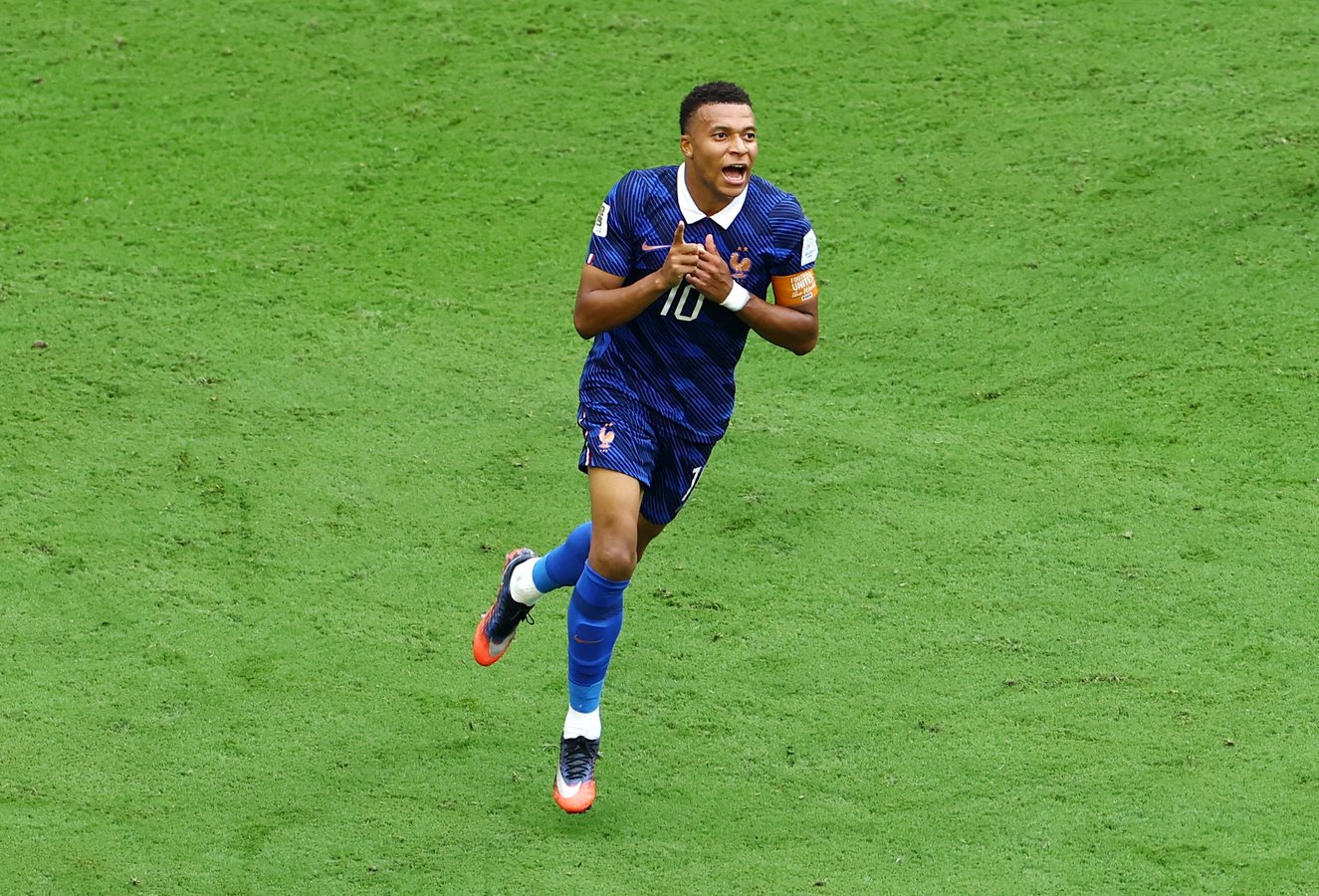

MIAMI GARDENS – Four goals down at halftime, France’s bronze-medal match had stopped being about the result. For Kylian Mbappe, that made the second 45 minutes the only kind of football he knows how to play. He scored in the 48th minute and again in the 66th, pushing his all-time World Cup goal tally to 22 and claiming the record that had belonged to Lionel Messi for less than three weeks. England won 6-4 and took the bronze medal. That was almost the secondary story of the night at Miami Stadium on Friday.
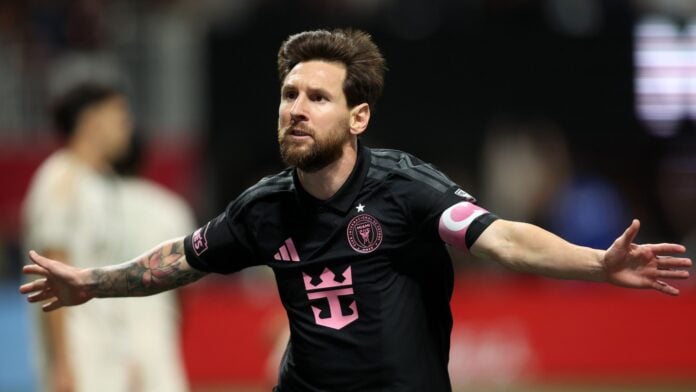
Messi had moved to 21 career World Cup goals during Argentina’s group-stage campaign earlier this month. Mbappe entered Friday’s match needing two. He required both, and on a night France were outclassed for much of the 90 minutes, he delivered them anyway, in a second half that briefly made a 4-0 deficit look negotiable before England closed the door.
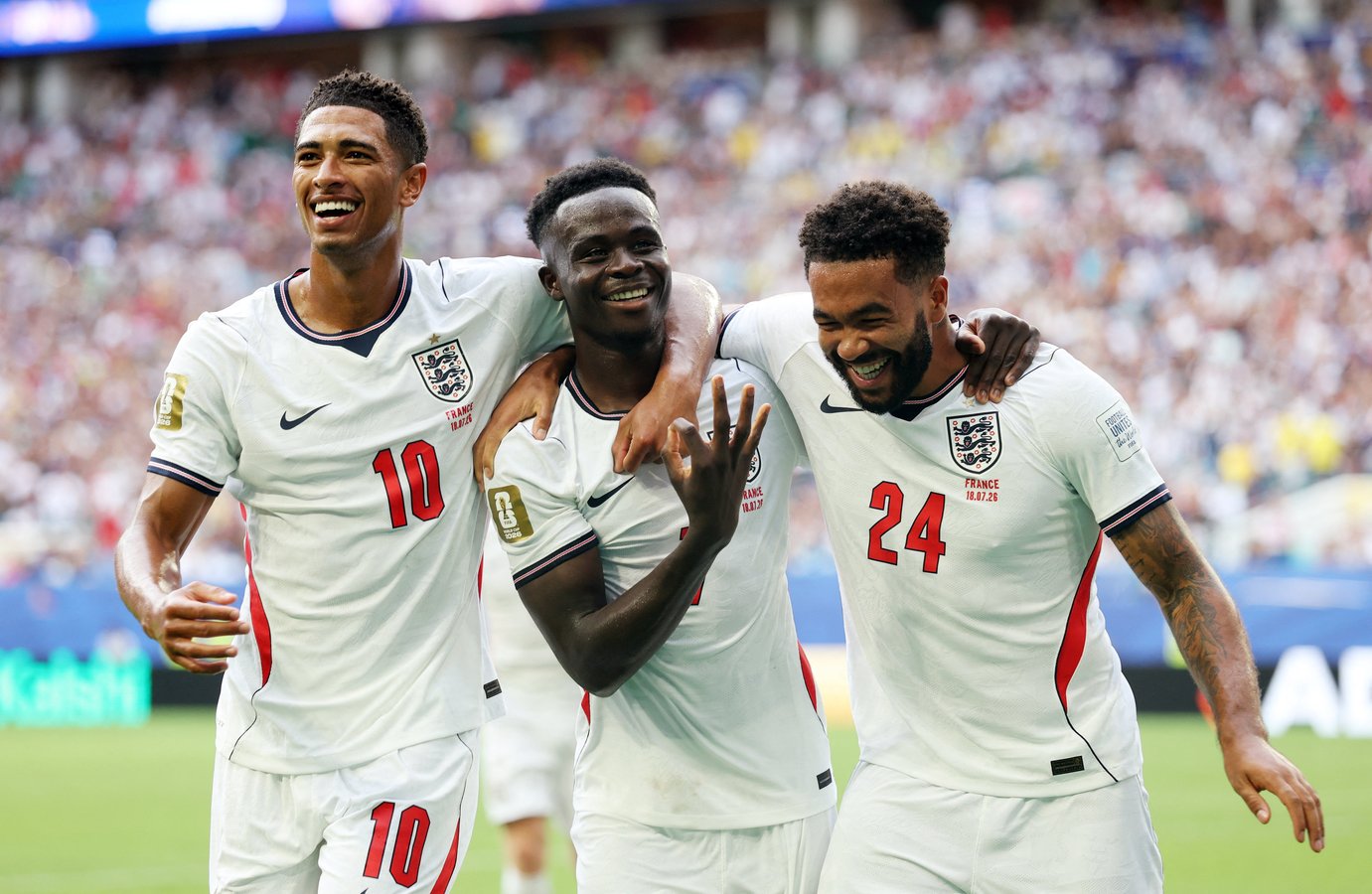
France’s first half was one of the worst performances of the 2026 World Cup. England moved through the French midfield with ease, exploiting space on both flanks and converting with a clinical regularity that Didier Deschamps, coaching his final international match after 14 years in charge, could do little to address from the touchline. Bukayo Saka’s hat-trick, all three goals scored before the interval, was the centrepiece of an England display that carried authority even when the match ceased to feel competitive. The third-place fixture had been anticipated as close; it was not, at least not until Mbappe forced it to become something else.
Jude Bellingham scored England’s fourth goal of the evening, also in the first half, to become England’s all-time top scorer at World Cup tournaments. His seventh goal across three editions moved him past Gary Lineker, whose record had stood since 1986. Bellingham, 22, has now contributed more goals to England’s World Cup record than any player in the nation’s history. The result left England with bronze; the record will outlast the medal’s significance.
The second half was something else entirely. France emerged without the hesitation that had defined the opening 45 minutes, Mbappe finally finding pockets of space that the first half had denied him. He scored early in the second period, then again with 24 minutes remaining. Bradley Barcola and Ousmane Dembele also found the net, and for a period, France appeared capable of engineering one of the more improbable comebacks in the history of the World Cup’s third-place match. They fell two goals short.
According to Al Jazeera, Mbappe’s ten goals in the 2026 tournament alone make this his most prolific World Cup campaign. He scored four in Qatar 2022, the tournament France lost in the final on penalties, and three in Russia 2018, which France won. The arc of those three editions, champion then finalist then third place, marks a decline in team outcomes even as his individual output has accelerated.
The record that now belongs to Mbappe arrived at an unusual moment in his career. His exit from PSG and a first season at Real Madrid disrupted by injury have placed doubt over his consistency at club level, a contrast with his World Cup output, which has been almost uninterrupted across three editions. The tension between his club struggles and his international dominance is not new; the scale of Friday’s record sharpens it further.
Messi will enter Sunday’s final between Argentina and Spain at MetLife Stadium still in contention for the tournament’s Golden Boot, having traded the lead with Mbappe at various points throughout the competition. A two-goal performance in the final would leave the record tied at 22. That possibility, Messi equalling Mbappe’s mark on the day he potentially wins a second successive World Cup, is the final unresolved tension of a tournament that has never quite closed the debate over which player history will ultimately judge as the greater one.
As Eastern Herald reported from France’s semifinal exit in Dallas, Mikel Oyarzabal scored from the penalty spot and Pedro Porro added a second-half goal to send Spain through 2-0. France never recovered the composure they showed in the earlier rounds, and Friday’s collapse, trailing 4-0 at the interval against England, reflected how much the team’s cohesion had eroded in the tournament’s final week.
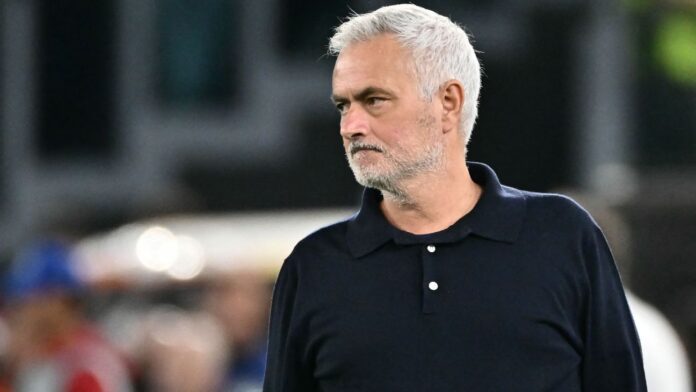
Deschamps declined after the final whistle to identify what had gone wrong in the first half. His 14 years in charge produced one World Cup title, two additional final appearances, and a body of work that will be difficult for any French manager to surpass. Whether Mbappe’s record outlasts Deschamps’ tenure as France’s defining football legacy is a question four more World Cups will eventually answer.
Saka’s hat-trick, England’s first in World Cup play since Geoff Hurst’s in the 1966 final, was arguably the individual performance of the tournament’s concluding weekend. The Arsenal winger’s movement, his finishing across three separate chances, and the relentless quality of England’s first-half pressing created a match France simply could not manage. That England left Miami with bronze rather than silver or gold will shape how the performance is remembered. In the moment, it was the most complete first-half display this World Cup produced outside the semifinals.