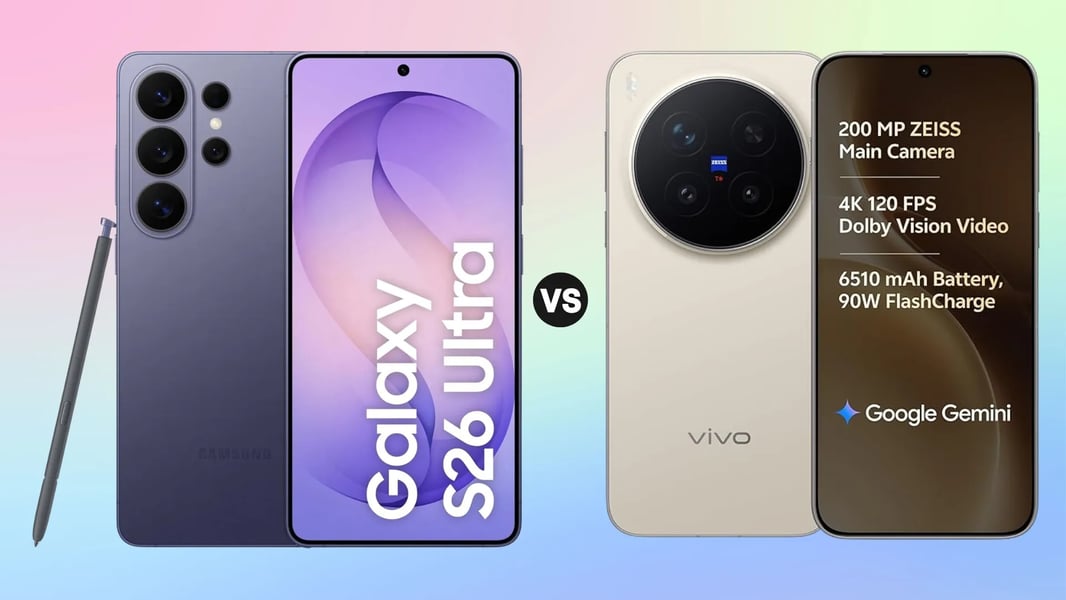

The 2026 flagship smartphone camera race has escalated into one of the most closely watched battles in mobile photography history. New real-world sample images from the Vivo X300 Ultra, Samsung Galaxy S26 Ultra, and Xiaomi 17 Ultra are forcing a serious rethink of what defines the best camera phone. Instead of a clear winner, the comparisons reveal three completely different imaging philosophies competing at the highest level.
Early sample photo analysis published by PhoneArena shows how dramatically each device interprets the same scenes, especially in portrait depth, zoom clarity, and low-light balance.
Vivo X300 Ultra pushes a bold 35mm DSLR-style identity
The Vivo X300 Ultra is the most aggressive disruptor in this year’s flagship camera lineup. Its defining feature is a 35mm equivalent primary lens paired with a high-end 200MP Sony sensor and Zeiss tuning. This combination pushes it closer to a professional camera aesthetic rather than a traditional smartphone output.
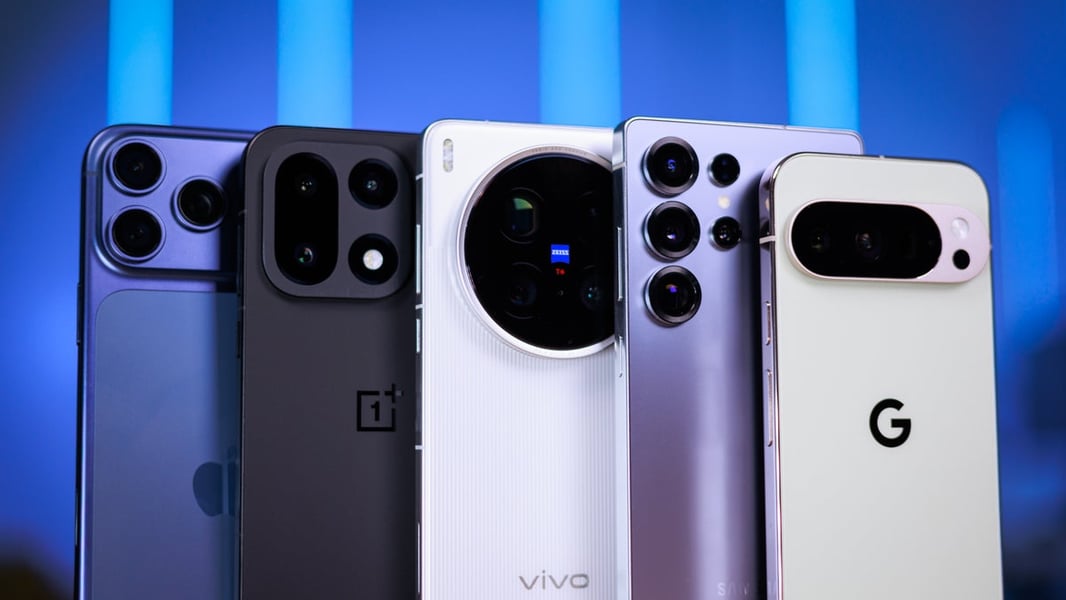
The Verge, highlight Vivo’s focus on hardware-first imaging. The result in sample shots is striking: stronger subject separation, deeper contrast, and a more cinematic framing style compared to conventional smartphone lenses.
The device also benefits from its positioning in Vivo’s broader imaging ecosystem, further detailed in internal coverage of the
Vivo X300 Ultra smartphone photography review, which emphasizes its Zeiss color science and aggressive detail processing.
Samsung Galaxy S26 Ultra doubles down on AI consistency
Samsung continues to take a more conservative but highly refined approach with the Galaxy S26 Ultra. Instead of chasing extreme hardware shifts, the company focuses on computational photography and AI-driven image optimization.
According to an internal analysis of
Samsung Galaxy S26 Ultra AI camera upgrade, the device prioritizes consistent exposure, reliable HDR output, and predictable color science across all lenses. This makes it one of the most stable flagship cameras for everyday use.
External reviews from
Digital Camera World reinforce this positioning, noting that Samsung’s strength lies in balancing highlight control and shadow detail rather than chasing extreme sharpness or contrast spikes.
However, in direct sample comparisons, the Galaxy S26 Ultra occasionally appears less dramatic than Vivo’s output, especially in portrait separation and zoom texture, where hardware-heavy rivals gain an advantage.
Xiaomi 17 Ultra brings Leica-driven sensor dominance
The Xiaomi 17 Ultra remains one of the strongest challengers in low-light photography thanks to its large sensor architecture and Leica co-engineering. This combination prioritizes cinematic color tones and natural light reproduction over aggressive sharpening.
Detailed coverage from Android Central and TechRadar highlights Xiaomi’s continued push toward DSLR-like sensor performance in a smartphone body.
Internal ecosystem context from the Xiaomi flagship lineup is also visible in coverage such as the Xiaomi 17 Ultra Leica camera system, which shows how Xiaomi is pairing massive battery designs with high-end imaging hardware.
Three phones, three completely different camera philosophies
The most important takeaway from the sample photo comparisons is that there is no universal winner. Instead, each device excels in a different imaging philosophy.
Vivo X300 Ultra prioritizes dramatic depth and DSLR-like framing. Samsung Galaxy S26 Ultra focuses on consistency and AI-enhanced reliability. Xiaomi 17 Ultra leans toward sensor purity and cinematic color science.
Even in identical lighting conditions, the differences are immediately visible. Vivo tends to produce sharper foreground separation, Samsung maintains balanced exposure across complex scenes, and Xiaomi delivers warmer, more film-like tones.
This fragmentation is further reflected in broader industry comparisons such as the smartphone camera war 2026, which shows how multiple brands are now competing with entirely different imaging philosophies rather than converging on a single standard.
AI photography vs hardware dominance: the real debate
Beyond megapixel counts and sensor sizes, the real competition in 2026 is between AI-driven processing and raw hardware capability. Samsung leads in software intelligence, Vivo pushes extreme lens design, and Xiaomi attempts to bridge both with large sensors and color science tuning.
Reports from Gizmochina confirm that this divergence is becoming more pronounced with each generation of flagship devices.
User-driven discussions on platforms such as Reddit further highlight this divide, with photography enthusiasts split between preference for natural realism versus computational perfection.
Conclusion: the closest flagship camera battle in years
The Vivo X300 Ultra, Galaxy S26 Ultra, and Xiaomi 17 Ultra collectively represent a turning point in smartphone photography. Instead of incremental upgrades, the industry is now defined by competing philosophies.
Vivo is redefining framing standards with its 35mm approach, Samsung is refining AI-driven stability, and Xiaomi is pushing sensor-based cinematic realism. Based on early sample photos, the gap between them is smaller than ever, but their identities are more distinct than at any point in the last decade.
As the 2026 flagship cycle continues, this camera war is far from over, but one thing is already clear: there is no single best camera phone anymore, only different interpretations of perfection.