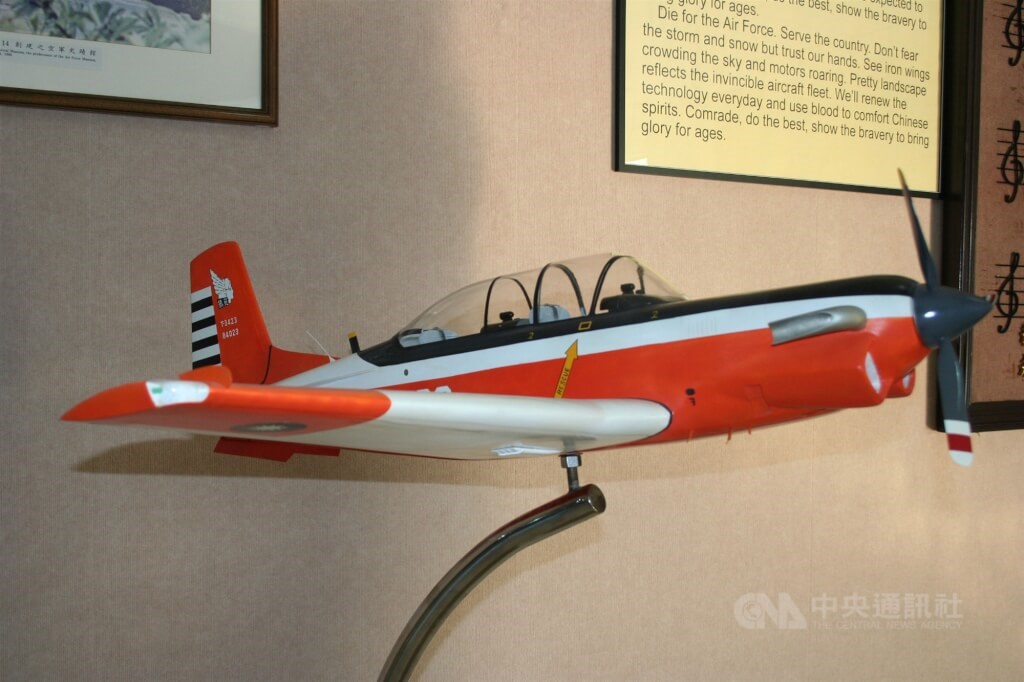

TAIPEI — They were among the most experienced trainer pilots in Taiwan’s Air Force, each with more than 2,100 hours in the cockpit of the very aircraft that killed them. Lieutenant Colonel Lu Chi-yu, 41, and Lieutenant Colonel Kuo Chun-nan, 46, died Tuesday morning when their T-34 trainer jet crashed at the northern end of the runway at Gangshan Air Base in the southern port city of Kaohsiung. The cause remains unknown. The Air Force has formed a special task force, and the island’s president has personally demanded answers.
The two pilots were flying aircraft tail number 3414 on a simulated engine-failure route training mission — a drill designed precisely to prepare crews for the kind of emergency that, in the air, allows no margin for error. The crash occurred at 8:08 a.m. local time. Both men were dead at the scene.
Defense Ministry spokesman Major General Sun Li-fang confirmed the identities at a briefing, noting that Lu had graduated from the Air Force Academy in 2008 and accumulated 2,114 flight hours on the T-34, while Kuo, a 2004 graduate, had logged 2,172 hours on the same aircraft. Together, they brought more than four decades of combined experience to a training exercise that should have been routine.
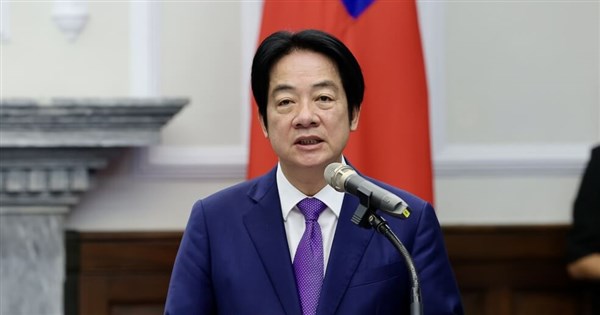
President Lai Ching-te, speaking to reporters in Taipei, said the accident had left him deeply saddened. “On behalf of the country, I would like to thank the two pilots for their sacrifices and contributions and extend my deepest condolences to their families,” he said. Lai directed the Defense Ministry to determine the cause as quickly as possible, and instructed the military to assist bereaved families with funeral arrangements.
Air Force Commander General Cheng Jung-feng traveled directly to Gangshan after the crash. Defense Minister Wellington Koo ordered a thorough investigation and instructed the military to provide full support to the families. What the investigation does not yet know — and may take weeks to establish — is whether the aircraft malfunctioned, or whether something else went wrong during the simulated failure sequence itself.
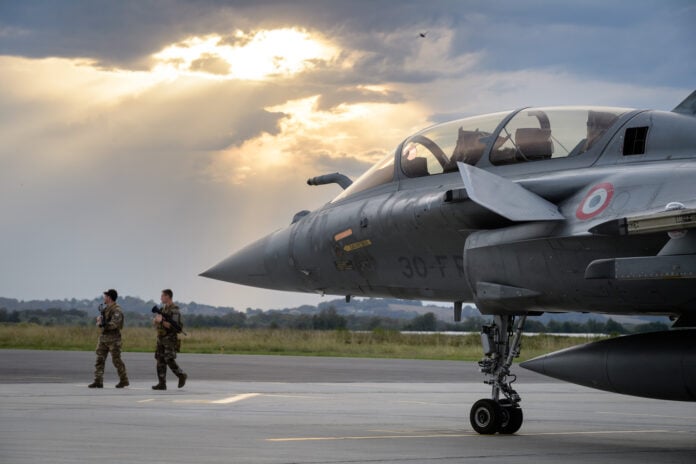
The T-34 is an American-designed turboprop trainer that Taiwan has operated since 1985. It has a long and complicated history on the island. A crash in January killed a pilot when an F-16 went down off eastern Taiwan, but Tuesday’s accident drew particular scrutiny because the aircraft was on a training profile specifically designed to simulate an emergency — not a live combat sortie or unfamiliar maneuver.
Taiwan’s air force has been under sustained pressure over the past several years to maintain readiness in the face of intensifying military activity from Beijing. According to Taiwan’s defense report, China has been rehearsing blockade scenarios with increasing frequency, placing its military on a war footing that has driven corresponding urgency in Taipei’s own training tempo. That pace carries risk — one that Tuesday’s crash has placed in sharp relief.
Lu and Kuo were not young cadets still learning basic airmanship. They were lieutenant colonels — senior officers trusted to train the next generation of pilots, men with thousands of hours in aircraft that their students were only beginning to understand. The fact that an engine-failure simulation claimed two instructors of that caliber will almost certainly force a broader reckoning inside the Air Force Academy at Gangshan, not just an inquiry into aircraft tail number 3414.
The T-34 has accumulated a troubling record in Taiwan. The aircraft was introduced to the island four decades ago and has been involved in multiple fatal accidents, though the Air Force has not immediately provided a full accounting of the aircraft’s crash history in the current investigation. Calls for fleet-wide inspections have followed previous T-34 incidents in Taiwan, and pressure for a suspension of T-34 training flights is likely to mount in the coming days as legislators and defense analysts assess what happened on the runway’s northern edge.
Taiwan’s defense establishment has faced a succession of aviation losses in recent years. China’s ongoing pressure over US arms sales to the island has complicated procurement, while the Air Force’s requirement to maintain continuous proficiency with an aging aircraft inventory adds a layer of risk that Tuesday’s crash makes impossible to ignore.
What the Air Force task force must now answer is a question that will matter far beyond this one accident: whether the danger was in the aircraft, in the exercise design, or in some other factor that killed two experienced officers at 8:08 in the morning at the base where they had trained for decades. The families of Lu Chi-yu and Kuo Chun-nan are waiting for that answer. So is the rest of the Air Force.
—Inputs from Sputnik.