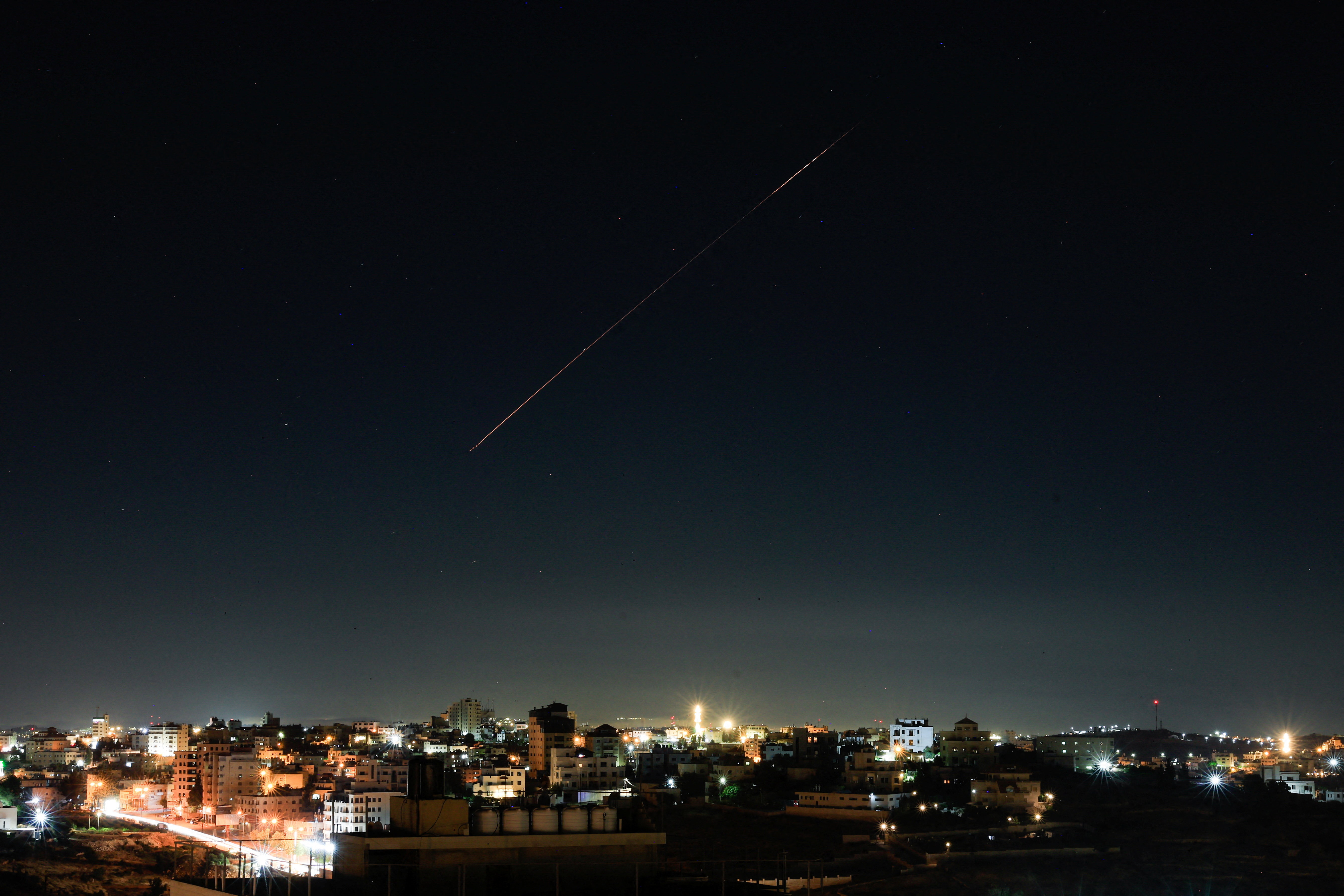

WASHINGTON — The explosions in Haifa and the petrochemical fires along the Iranian coast have commanded most of the attention. What has not is the thing Donald Trump keeps returning to, with unmistakable satisfaction, every time a reporter asks whether the deal is dead: the blockade.
“The blockade that we have, the naval blockade is incredible,” Trump told reporters at the Oval Office last week, in remarks reported by CNN. “Not one ship has gotten through unless we wanted it to, and people respect it a lot.” He was not talking about bombs or missiles or the hundred days of air strikes that have hollowed out Iranian air defenses. He was talking about commerce. About the slow suffocation of an economy through sealed sea lanes.
That distinction matters. Every ceasefire proposal Trump has floated this month has included a consistent and non-negotiable condition: the naval blockade stays in place until a final deal is signed. Trump has also refused to unfreeze Iranian assets before an agreement is reached, leaving both sides demanding the same concession first. The guns can theoretically go quiet. The port gates stay shut regardless.
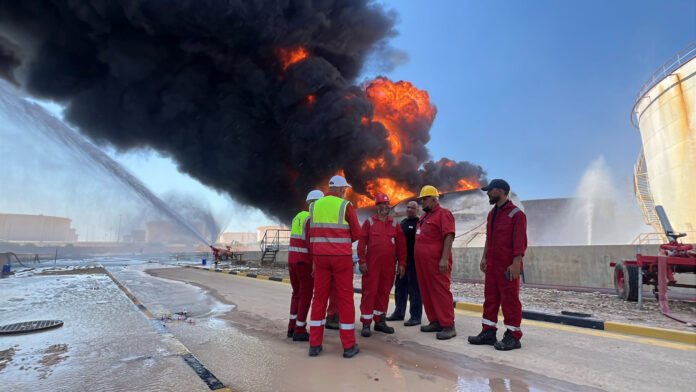
The logic is deliberate. Military strikes create craters and international headlines but also give Tehran something to show its domestic audience — martyrs, resolve, the image of a country absorbing blows and surviving. The blockade does something harder to photograph: it drains reserves, halts oil revenue, and forces the Iranian leadership to calculate how long it can sustain an economy under genuine siege. Trump, for all his attachment to the spectacle of military force, appears to understand which instrument is more punishing.
“Both sides, Israel and Iran, are looking to do an immediate ceasefire,” Trump posted on Truth Social on Monday, as reported by Arab News. “Final negotiations on ‘Peace’ are proceeding, subject to ignorance or stupidity getting in its way.” The phrasing is Trumpian in its informality but precise in its structure. The ceasefire is described as wanted by both parties. The blockade, however, he addressed separately and with no ambiguity: “The Blockade will remain in place, and in full force and effect, until a ‘Final Deal’ is reached.”
It is the clearest articulation yet of how Washington conceives the endgame. A cessation of hostilities is a preliminary. The blockade’s removal is the prize.
What complicates the picture is Benjamin Netanyahu. The Israeli prime minister has spent the better part of the past ten days operating in a space just outside Trump’s control — striking Iranian petrochemical infrastructure and Beirut targets even after the American president publicly and profanely urged restraint. On Day 100 of the Iran war, Netanyahu defied Trump and Israel struck anyway. Trump’s response was to call it, tersely, a setback he “turned around very quickly.”
The phrase has the ring of a man managing his own frustration. Twice in a week, Israeli strikes in Lebanon and Iran threatened to give Tehran a justification to walk away from negotiations entirely — and twice, Trump and his envoys worked to pull the talks back from the edge. Iranian state media announced a suspension of negotiations after Israeli jets hit Beirut. Hours later, a regional source told CNN the talks were back on track. The whiplash has become so routine that markets have largely stopped reacting to each individual strike and are watching the blockade status instead.
What neither side has resolved is the nuclear question. Trump has been explicit that any final deal must guarantee Iran never acquires a nuclear weapon. “Under our deal they will never, ever have a nuclear weapon,” he told reporters, in comments carried by CNN. “There’s nothing more important than taking away the capability of a nuclear weapon from Iran.” Tehran’s position on enrichment levels and the disposition of existing stockpiles remains unclear, and that opacity is itself a negotiating tactic — Iran has used ambiguity about its nuclear program as leverage in every diplomatic round since 2003.
The administration’s own accounting of what it has achieved militarily tells a story that raises as many questions as it answers. Trump told NBC that Iran was “virtually decapitated” after 100 days of strikes — while in the same interview acknowledging Tehran retained the capacity to fight. A country that is both decapitated and still capable of launching coordinated missile salvos at Haifa is a country whose degradation is real but incomplete. The blockade exists precisely because the bombing has not been enough on its own.
The Strait of Hormuz reopening is the other term Trump has anchored to the deal. Approximately 20 percent of global oil passes through those waters in normal times. With the blockade in place, Brent crude has been trading in the high nineties, and JPMorgan analysts have projected it will average $97 a barrel through the rest of the year if the strait reopens in the next few weeks. If it does not, the calculus changes for Gulf states, for Asian importers, for every economy running on oil priced at a wartime premium. That pressure sits as much on Trump’s allies as on his adversaries.
What is not known — and what the public statements from both Washington and Tehran conspicuously omit — is whether Iran has privately agreed to the nuclear terms or whether the language disagreements Trump officials describe are proxies for a deeper substantive impasse. A senior US official told CNN last week that it could take a few more days to finalize the memorandum of understanding, citing Iran’s lengthy internal approval process. That timeline has since slipped. The wording disputes are real, but so is the possibility that they are being used to run out the clock while both sides assess whether the other will break first under economic pressure.
Trump, at least in his public posture, has chosen optimism as his register. “Things should move quickly,” he wrote on Monday. He has said something similar, with similar confidence, at least a dozen times over the past three months. Each time, a strike has followed. Each time, the talks have not quite collapsed. Whether that pattern ends in a signed agreement or in the next escalation is the question the blockade is, in its quiet way, pressing both sides to answer.