
WASHINGTON — For Americans born in the country, citizenship is a settled fact that no government can reach. For the millions who were naturalized, the Trump administration is working to make it provisional. The Justice Department has moved to revoke the citizenship of 17 naturalized Americans at once, the largest such action it has ever announced, and a marker of how far an exceptional legal tool is being stretched into routine use.
The department said it had filed denaturalization cases in federal district courts around the country against 17 people accused of grave offences, among them the sexual abuse of a minor, wire and bank fraud, and the wholesale distribution of drugs. It packaged the announcement around those crimes, presenting the targets as sex offenders, fraudsters and dealers. The filing followed a similar move against a dozen people in May, part of what officials themselves describe as an unprecedented push to take back citizenship from the foreign-born.
Denaturalization has always been rare, and deliberately so. It can be done only in federal court, and historically it was reserved for the narrowest cases, the Nazi concentration camp guard or the terrorist who lied his way into citizenship. “Denaturalisation is limited to cases where the government can prove material fraud in their original applications,” Michael Kagan, a law professor at the University of Nevada, Las Vegas, has noted, describing a remedy meant to be exceptional. What the administration is doing is turning the exceptional into a programme, with a pipeline of cases and a unit to pursue them.
The 17 are accused of real and ugly things, and that is precisely the use they serve. A government that wants to normalise a power builds it first on the people no one will defend, and only later finds other names for the list. Once the machinery exists, once the lawyers, the databases and the court templates are in place, the question stops being whether citizenship can be revoked and becomes only whose.
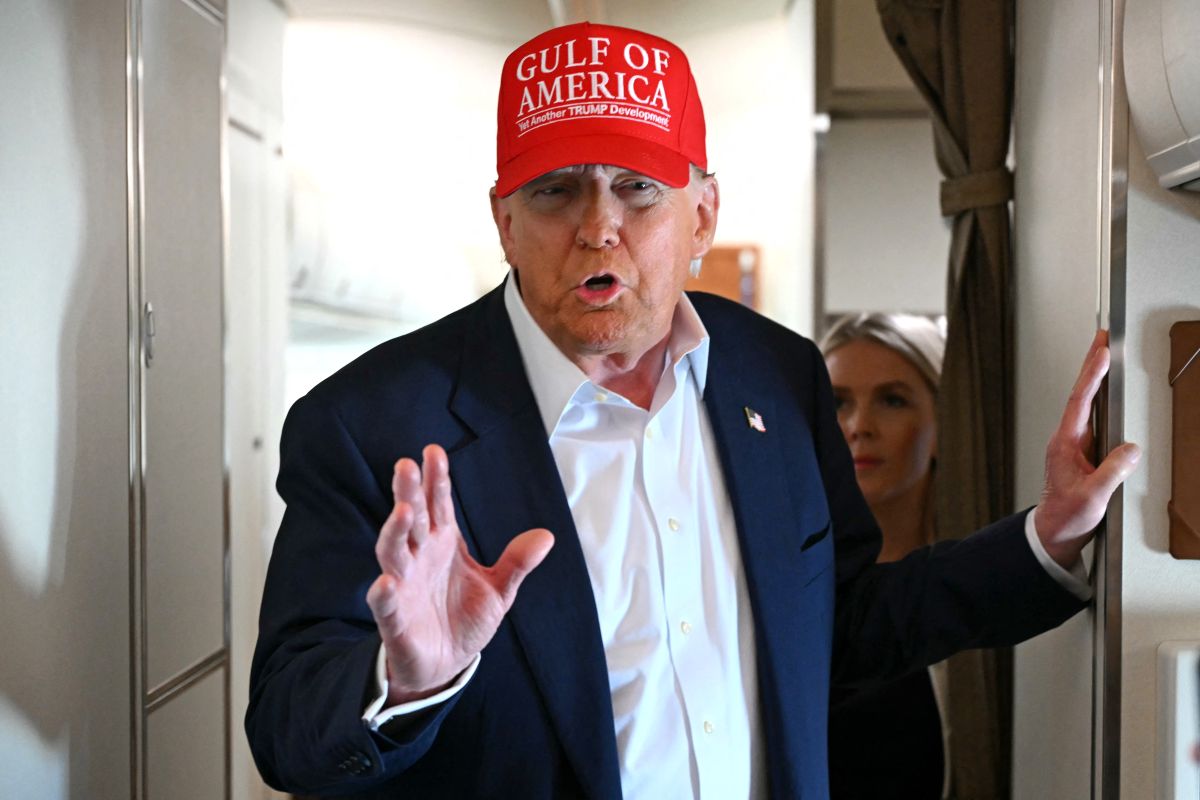
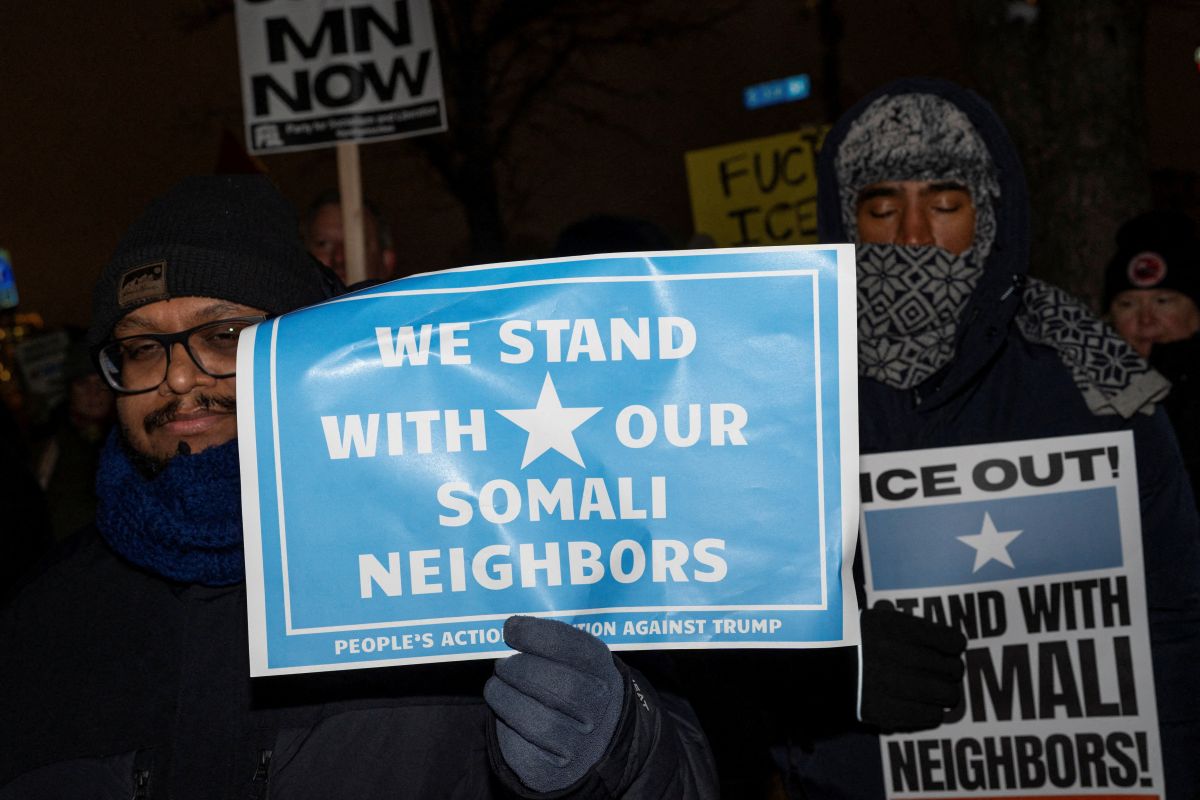
On that, the president has not been subtle. Donald Trump has aimed the same threat at his critics, musing aloud about stripping the citizenship of the entrepreneur Elon Musk after the two fell out, and of Zohran Mamdani, the New York mayoral candidate he also threatened to have arrested. His White House has gone further still and floated stripping a whole community, Somali Americans, of its citizenship over unspecified fraud. The cases in court are about crimes. The threats from the podium are about politics and origin.
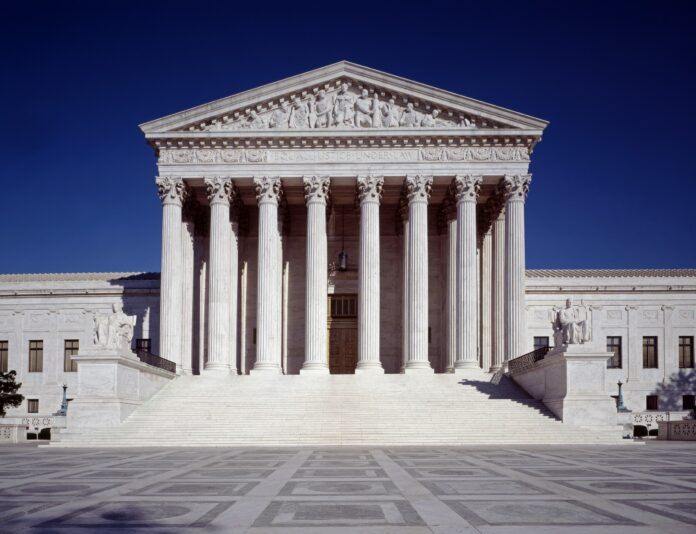
The denaturalization drive does not stand alone. It is one front in a wider effort to redraw who counts as American, alongside the attempt to end birthright citizenship now before the Supreme Court, a plan to deny asylum claims without so much as an interview, and schemes to declare living immigrants dead in order to push them out by attrition. Stripping the naturalized of their papers is simply the piece of that project aimed at the people already inside the gate.
The effect reaches far beyond seventeen defendants. The United States has roughly 25 million naturalized citizens, and each of them now lives with a status that the native-born never have to think about, aware that the government is actively combing decades-old files for a reason to undo it. That insecurity is not a side effect of the policy; it is the policy. It disciplines, it quiets, it reminds the foreign-born that their place in the country is held on terms others do not face, enforced through a Justice Department increasingly run as a political instrument.
The courts will weigh each of the 17 cases on its own facts, and some of these people may indeed lose a citizenship they obtained through genuine fraud. The unsettled question is what the administration does with the apparatus once it is built and accepted, and which names it reads out when the defendants are no longer sex offenders and dealers but the president’s opponents. On that point, Trump has already told the country, more than once, exactly what he intends.