
LONDON — The message from Washington to Britain this week was, in effect, that the country should think twice before deciding its own children spend too much time on American apps. It arrived not as a tweet or a phone call but as a formal submission to a British government consultation, lodged through the US Embassy in London, and its target was a policy that has not even been announced yet.
As Prime Minister Keir Starmer prepares to bar under-16s from social media, the White House used the consultation to argue against what it called broad social media bans for the roughly thirteen million British children the policy would cover. The Trump administration said it does not flatly oppose age checks, but prefers them aimed narrowly at pornography and adult commercial content rather than at the platforms themselves. Its preferred remedy is what it called parental empowerment. Parents, the submission said, should control their children’s online lives rather than have a one-size-fits-all government rule do it for them.
Parental empowerment is also, conveniently, the position of the companies that stand to lose teenage users under a ban. Meta, Google, TikTok and the rest have argued for years that the answer to children drowning in their products is better controls for parents, not fewer hours for children. Washington has now adopted that argument as foreign policy, pressing a close ally to soften a child-safety measure in language the platforms a court recently found had built their products to hook children could have drafted themselves.
Starmer has signaled he intends to press on. Tech, he has said, should adapt to the needs of society rather than the other way around, and his government is expected to bring proposals forward before Parliament rises for the summer, in a pre-election speech aides have already trailed for the coming days. A consultation on the plan closed last month. Ministers concede the detail is harder than the slogan, with some apps likely carved out and the question of enforcement still unresolved.
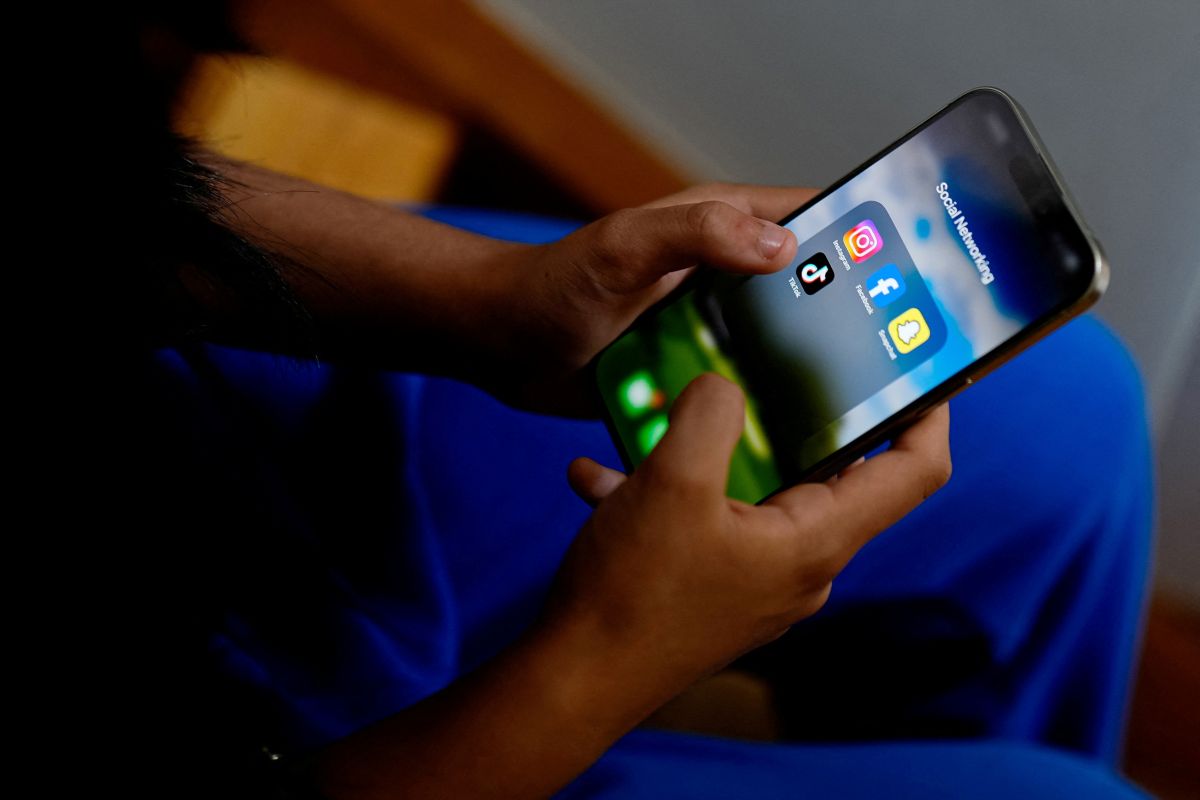
Britain would not be first. Australia did the same in December, a blanket ban that now reaches across Facebook, Instagram, TikTok, Snapchat, Reddit and more, and Malaysia has said it will follow next year. A push by the United Nations to set firmer rules for children online added its voice this spring, deepening the sense that the regulatory tide is running against the platforms almost everywhere except in the country that hosts them.

The case for acting has hardened as the evidence has. Regulators and researchers have spent two years documenting how engagement-driven design keeps young users scrolling well past the point of harm, and surveys of teenagers themselves report rising shares who say the platforms damage their sleep and their mood. The dispute is no longer really about whether there is a problem. It is about who gets to decide what to do about it, the elected government of a country or the companies whose revenue depends on the answer.
That is what makes the timing awkward. The same administration that has spent the year backing away from its own attempts to govern Silicon Valley is now telling other governments how far they may go. Washington frames the objection as a defense of free choice and free speech, the same vocabulary it has used to justify visa bans and other pressure abroad, even as it leaves American children under the lightest-touch regime in the wealthy world.
Read one way, the submission is a small bureaucratic document about age checks. Read another, it is a statement that the reach of American technology companies into the lives of foreign children is now something the United States government will defend abroad, the way it defends any other strategic export.
What is not yet clear is whether it works. Starmer has a majority, a closed consultation, and an election to fight in which sounding tougher than Washington on Big Tech may be an asset rather than a liability. Whether the ban survives in the strong form he has hinted at, or whether the pressure from across the Atlantic quietly sands it down before it reaches the statute book, is the part no submission can settle.