
The Modi government is prepared to let India’s fiscal deficit widen to 4.8 percent of gross domestic product this financial year, Bloomberg reported on Thursday, citing an official familiar with the discussions. The target set in February was 4.3 percent. If the gap reaches 4.8 percent, it would mark the first time since the pandemic that New Delhi has missed a deficit goal.
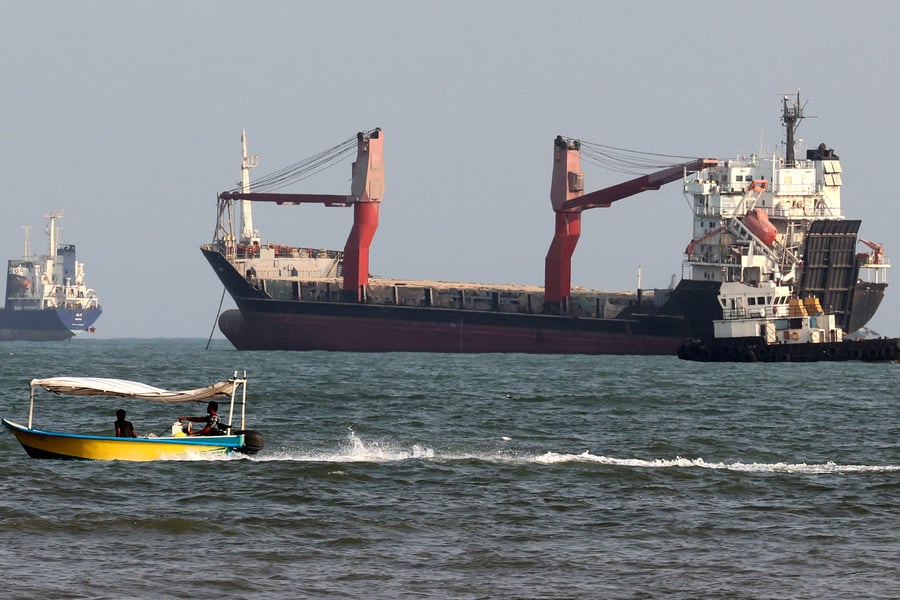
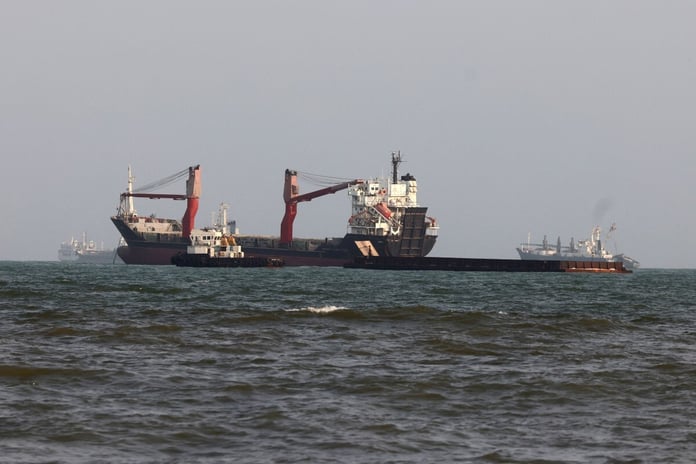
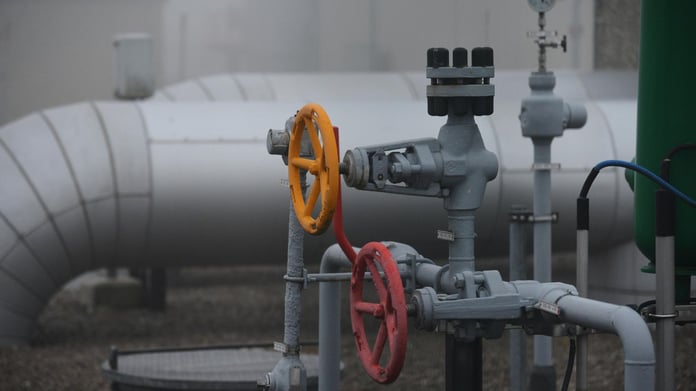
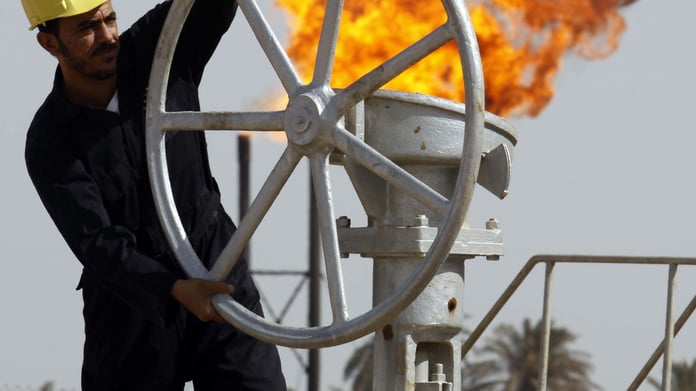
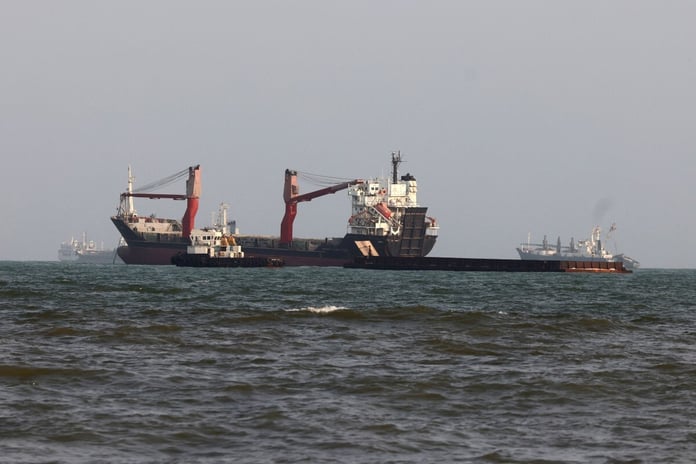
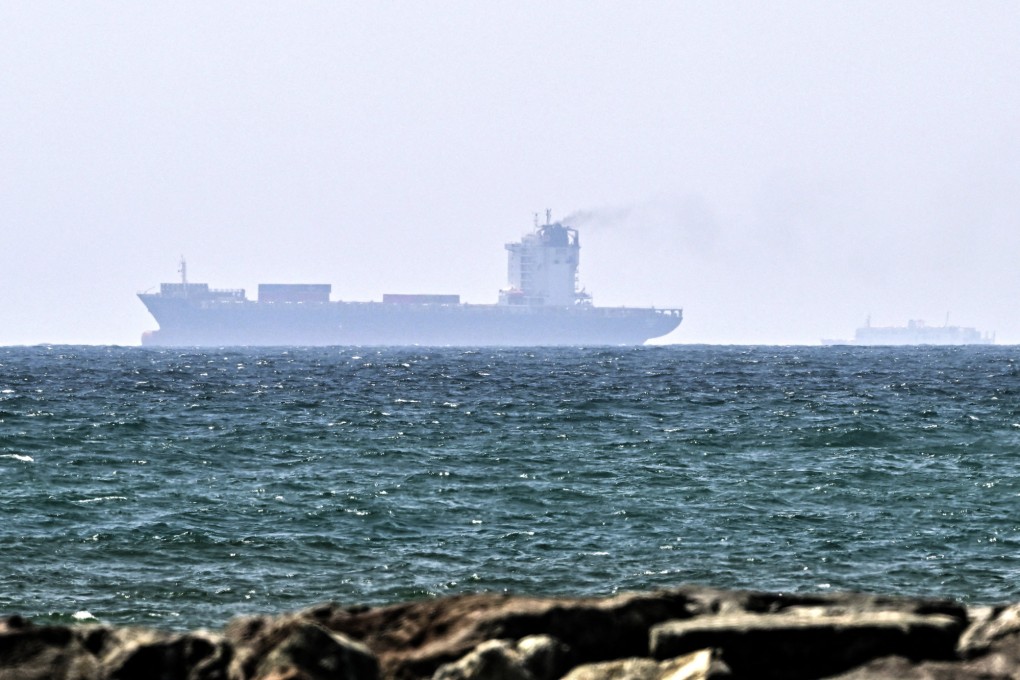
The culprit is oil. India imports 90 percent of the crude it consumes, and roughly half of those shipments normally transit the Strait of Hormuz. The waterway has been effectively closed since early May, when fighting between American and Iranian forces shut down commercial traffic. Brent crude, which traded near $70 a barrel before the conflict, peaked at $114 and has since settled around $93.
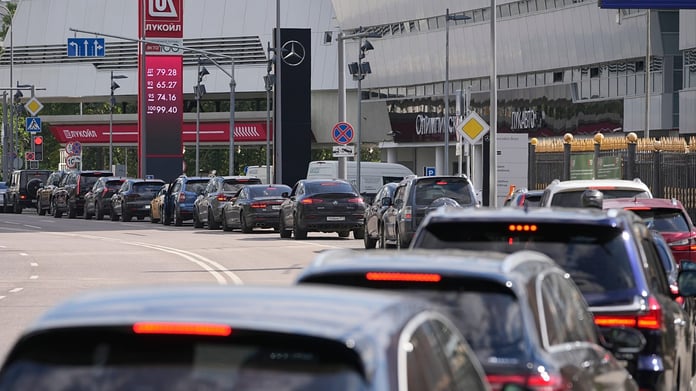
State-owned fuel retailers responded with three price increases in eight days during May. Petrol in New Delhi climbed to 99.51 rupees a litre, a five percent jump. Diesel rose 5.5 percent. Compressed natural gas followed. The hikes were not enough to cover the full cost differential. The government absorbed the remainder through subsidies, and those subsidies are now eating through the budget.
The Finance Ministry has already begun briefing credit rating agencies, according to Bloomberg’s source. The message: any deterioration in public finances stems from the global environment, not a shift away from fiscal discipline. That framing matters. A downgrade or negative outlook revision would raise borrowing costs at precisely the moment the government needs to borrow more.
India’s annual budget, presented by Finance Minister Nirmala Sitharaman on February 1, allocated $583 billion in total spending, with $133 billion earmarked for infrastructure. The plan assumed GDP growth of 6.8 to 7.2 percent and a steady glide path on the deficit from the previous year’s 4.4 percent. The Iran war blew a hole through those assumptions within weeks of the fighting escalating.
The Reserve Bank of India moved on June 5 with a set of measures designed to attract dollar inflows, including tax exemptions for foreign investors in certain bond categories. The intervention was partly a response to the pressure that a widening deficit puts on the rupee and on bond yields.
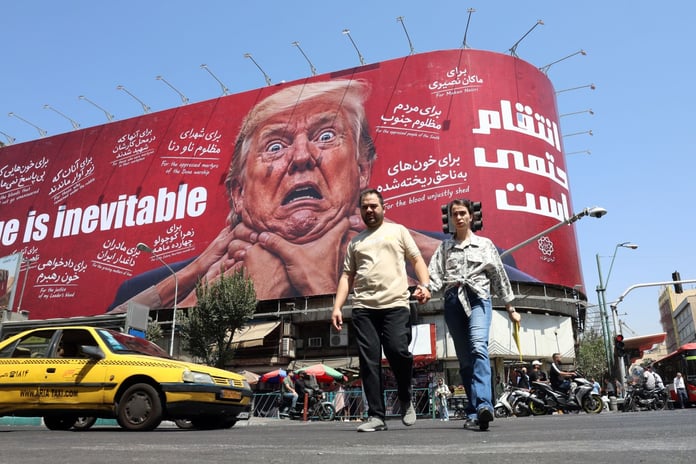
What makes the fiscal reversal politically sensitive is timing. Modi completed 12 years as prime minister on June 7, and the BJP launched a nationwide campaign to celebrate that milestone under the slogan “12 Years of Trust, Development and Public Welfare.” Fiscal discipline has been a centrepiece of that narrative. The G7 summit in France this week, where Modi is expected to meet Donald Trump for the first time in over a year, adds another layer. Three Indian sailors killed by American strikes in the Gulf of Oman and a stalled trade deal already complicate the bilateral. A weakened fiscal position does not strengthen India’s negotiating hand.
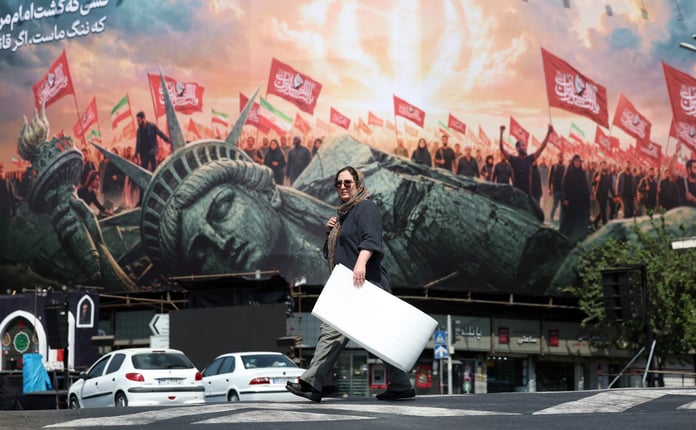
Earlier this month, Iranian strikes hit Bahrain and Kuwait, putting India’s eight million Gulf diaspora workers at risk and underscoring how exposed the Indian economy remains to instability in the region. India is not a party to the conflict. It is, however, paying for it.
The government has not announced a formal revision of the deficit target. The official cited by Bloomberg spoke on condition of anonymity because the discussions remain internal. But the signal is clear enough: New Delhi is building the case for a miss before it has to acknowledge one. When the Iran war first hit India’s fuel pumps in May, the political cost was measured in rupees per litre. Now it is measured in percentage points of GDP.
Related Posts