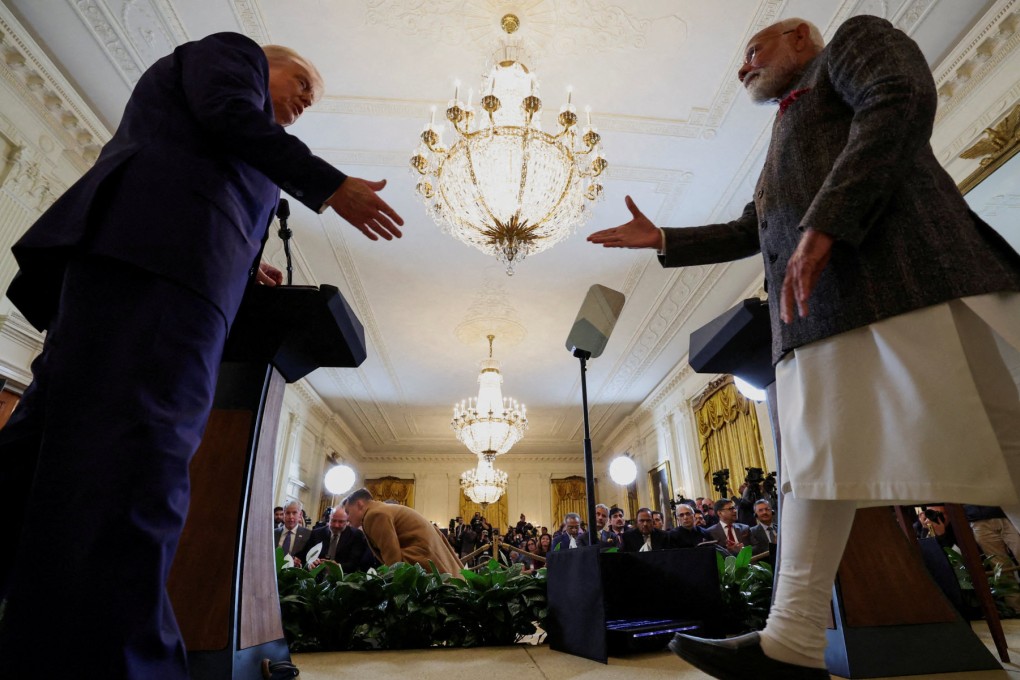

Narendra Modi left for France on Friday carrying the kind of diplomatic luggage no advance team can manage. Three Indian sailors are dead, killed this week by American strikes in the Gulf of Oman. A trade deal that was supposed to anchor the reset has stalled over tariff threats Delhi calls baseless. And the man Modi needs to sit across from, Donald Trump, had the entire G7 summit pushed back by a day so it would not fall on his birthday.
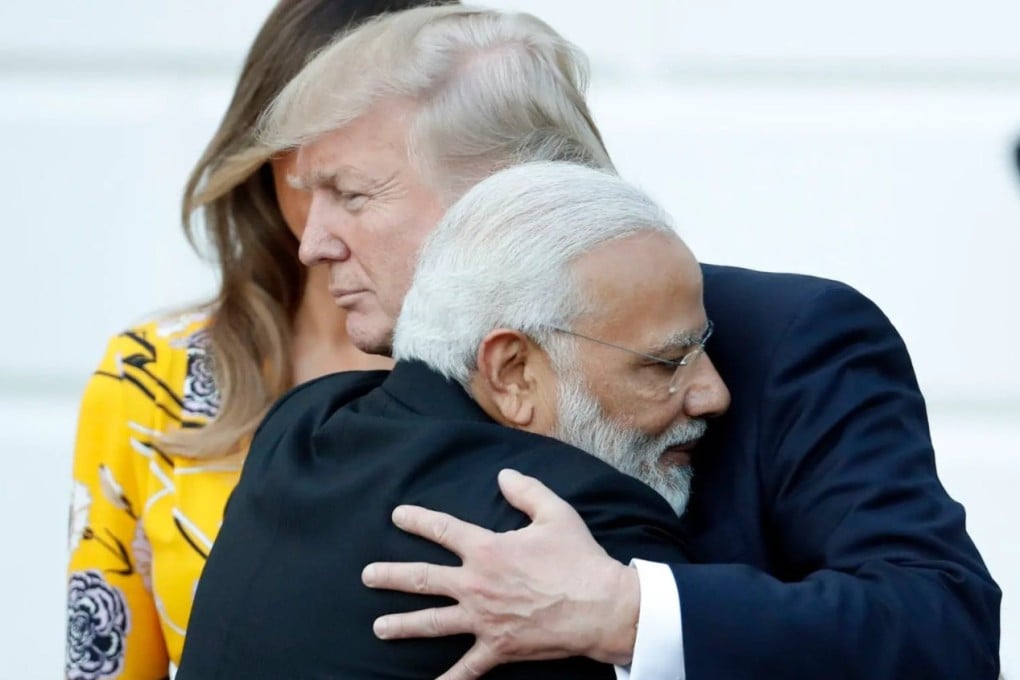
The two leaders are expected to meet on the sidelines of the 52nd G7 summit in Evian-les-Bains, their first face-to-face bilateral in more than a year, the South China Morning Post and Bloomberg reported. Modi accepted French President Emmanuel Macron’s invitation during a February visit to New Delhi. The last time Modi and Trump sat across from each other was in Washington that same month, before the relationship cracked open along lines that have only widened: American tariffs, an India-Pakistan military confrontation that Washington handled badly from Delhi’s perspective, and now a body count that has turned a trade dispute personal.
The sailor deaths landed in the middle of what was supposed to be a managed de-escalation. Secretary of State Rubio had invited Modi to the White House in May. Jaishankar was in Helsinki this week arguing that European weapons sold to Pakistan end up being used against India, a line that reads differently when American ordnance has just killed Indian civilians. The G7 bilateral was meant to cap the diplomatic sequence, not rescue it.
Trade is the agenda item both sides can still discuss without raising their voices. India is pushing for preferential tariff treatment as part of an interim deal, while Washington has proposed an additional 12.5 per cent levy on Indian imports, citing forced labour, an accusation India has flatly rejected. H-1B visa policy, energy cooperation and a long-postponed defence procurement package round out a list that would have been ambitious even without three funerals in Mumbai crowding the news cycle.
Harsh Pant, vice-president at the Observer Research Foundation, told Bloomberg he does not expect the sailors crisis to spiral. Both India and the United States need to handle the larger strategic picture, he said, and both understand the strike occurred in a war zone. The question is whether Modi can sell that framing at home, where funeral footage has run on every channel for two days and where his own foreign minister just told a European audience that Western weapons are killing Indians.
The summit itself has taken on an air that matches the bilateral’s tension. France postponed it one day to accommodate Trump’s birthday and a UFC event. Syria is attending a G7 for the first time since the group was founded in 1975. The Trump administration pressured Emmanuel Macron to disinvite South Africa and replace it with Kenya. Modi arrives into this landscape as the leader of the largest invited economy and the one with the freshest grievance against the host country’s closest ally.
What neither capital has acknowledged publicly is the structural drift the bilateral is supposed to arrest. India has been buying more Russian oil, not less. Washington has been arming Pakistan’s neighbourhood more actively, not less. The tariff fight predates the sailors, and the sailors did not create the trust deficit so much as give it a human face. The meeting at Evian will be judged less by what it produces than by whether it prevents the relationship from becoming something neither side can describe as strategic.
Modi’s five-day European tour continues to Slovakia after the summit. Trump’s schedule, as always, is subject to revision. The one fixed point is a room in a French lakeside town where two leaders who have not spoken in over a year will sit across from each other, one carrying a trade file and the other carrying three death certificates, and try to call it a reset.