
MELBOURNE — Soon, buying a drill from Bunnings will not require going to Bunnings, or even to its website. The hardware chain is about to let shoppers research a product, pick one and pay for it without ever leaving Google, by selling directly inside the search company’s AI Mode.
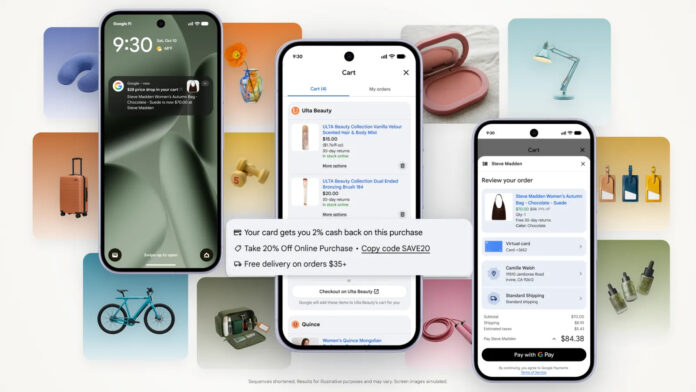
Bunnings says it will be among the first Australian retailers to switch on shoppable listings in Google AI Mode, with the feature due to go live within a fortnight. The pitch is that a customer can describe what they need to Google’s chatbot, get recommended products, and complete the purchase inside the AI conversation as it runs across Search, Chrome and the Google app. The storefront, in other words, moves into someone else’s software.
This did not come out of nowhere. It builds on Buddy, a Gemini-powered shopping assistant Bunnings showed off at Google Cloud Next in April and built, the company says, in a little over six weeks to replace its older Ask Bunnings chatbot. Buddy is meant to be more useful than a search box. Describe an outdoor deck and it returns the timber, screws and tools the job needs along with how-to videos. Photograph a broken tap fitting or a handwritten shopping list and it tries to identify the parts and point you to them in your nearest of the chain’s 500-plus Australasian stores.
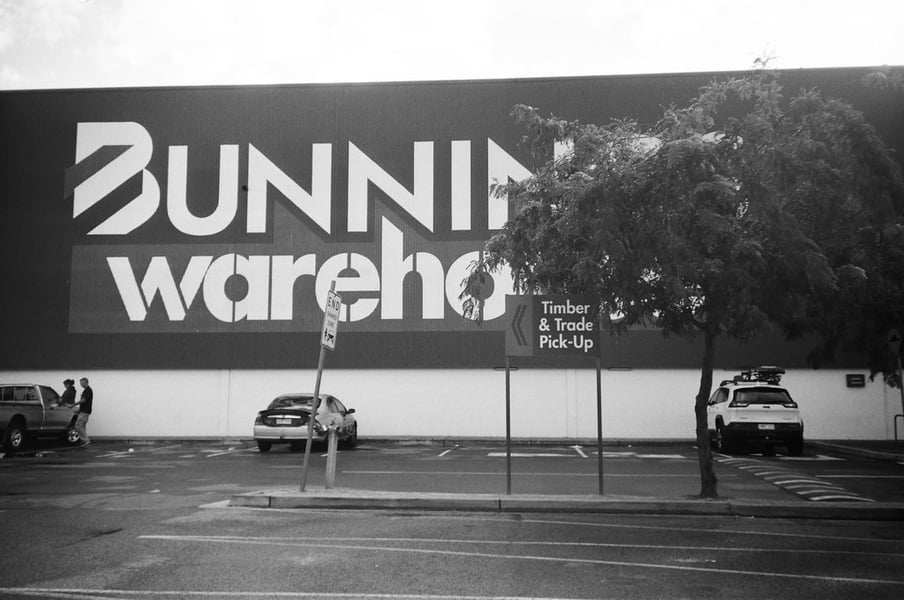
The numbers Bunnings attaches to this are eye-catching and worth handling with care. The retailer says Buddy has more than doubled conversion rates and is producing larger baskets as people shop for whole projects rather than single items. Those are the company’s own figures, not independently audited, and conversion lift measured against an old chatbot is a generous baseline. If they hold up they are a genuinely strong result. They are also exactly the kind of metric a retailer cites when it is about to hand more of its sales funnel to a platform partner.
Because that is the real story underneath the convenience. Selling through AI Mode is part of Google’s stated push to turn its assistant into the place commerce actually happens, the same effort that has it wiring Klarna and Affirm into Gemini so shoppers can finance a purchase without leaving the chat. It is the consumer-facing edge of the wider move toward agentic commerce, where software does the browsing and buying on a person’s behalf. For a retailer, joining early means visibility. It also means the customer relationship, and the data that comes with it, increasingly runs through Google.
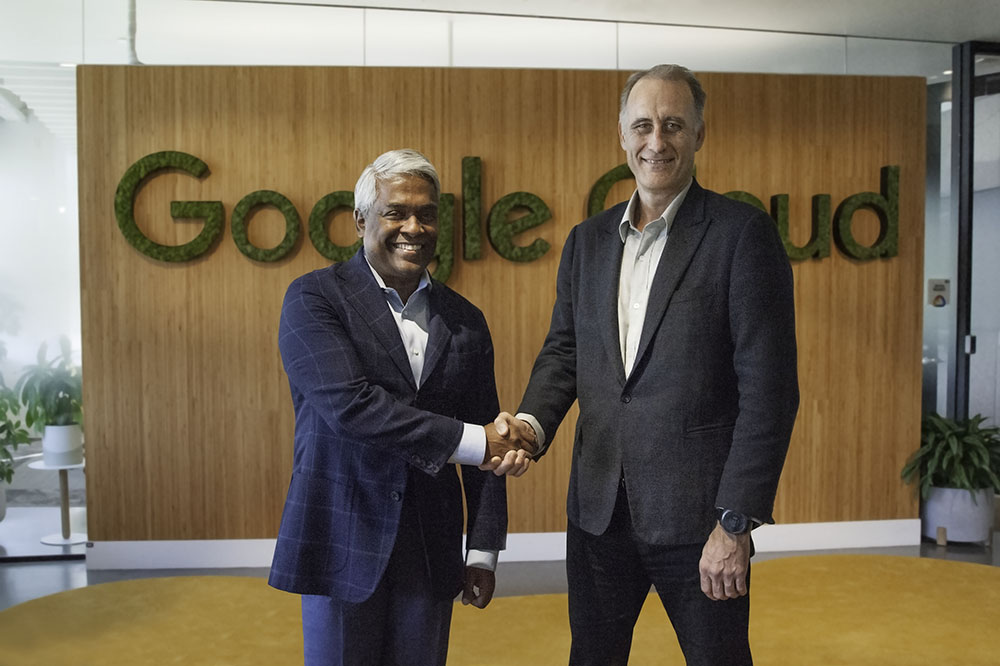
Wesfarmers, the conglomerate that owns Bunnings, is leaning into that trade rather than resisting it. The company has expanded its partnership with Google Cloud to roll agentic AI across its brands, with Kmart already following through an assistant of its own called Joy. Managing director Rob Scott has framed the bet in the language of efficiency, saying the technology will enhance customer experiences and free staff for higher-value work. Google Cloud’s chief executive, Thomas Kurian, was blunter about the ambition, describing it as reimagining every customer touchpoint rather than merely digitising the storefront.
What neither side can answer yet is whether shoppers want this for the things Bunnings sells. Buying a phone case from a chatbot is one thing. Trusting an AI to spec the right load-bearing bolt or the correct paint for a bathroom is another, and a wrong recommendation in a hardware store has consequences a returns policy does not fully cover. There is also the question nobody is putting a figure on in public: what Google takes, in fees or in data, for becoming the channel, and how much pricing power that hands a single gatekeeper over the businesses selling through it.
For now the change is being sold as pure upside, a faster path from idea to purchase for the customer and a fatter basket for the retailer. That may well be how it lands. But the more retailers move their checkout inside Google’s AI, the more the relationship that used to belong to the shop belongs to the search engine instead, and that is a shift no conversion-rate chart on its own can settle.