
OSLO – When the judge read the operative part of the 128-page ruling aloud on Monday morning, one of the women Marius Borg Høiby was convicted of raping was the only accuser present in the Oslo courtroom. She wept as Judge Jon Sverdrup Efjestad announced the guilty verdict in her case, and a lawyer pressed a tissue into her hand.
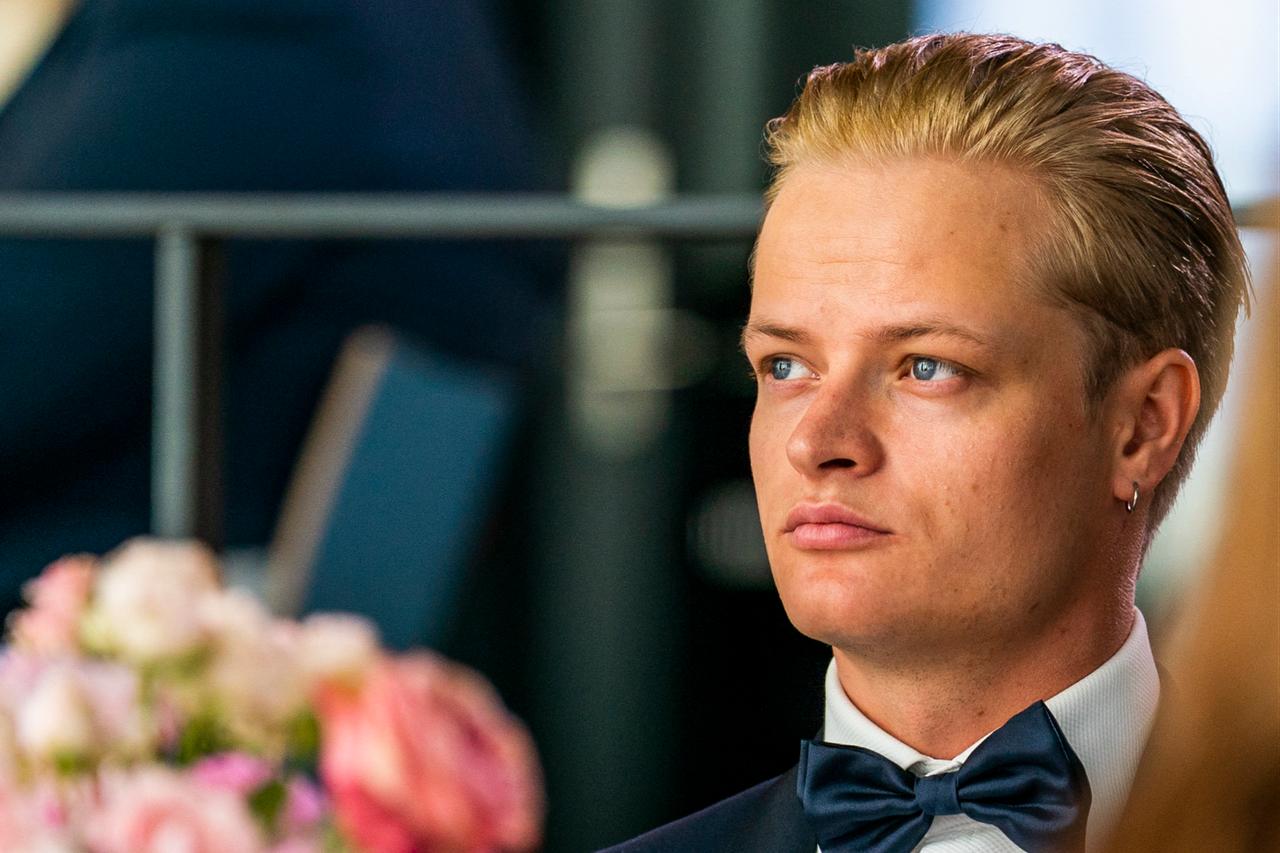
Høiby, 29, the son of Norwegian Crown Princess Mette-Marit from a relationship before her 2001 marriage to Crown Prince Haakon, was sentenced to four years in prison by Oslo District Court after being found guilty of two counts of rape, repeated domestic violence against a former girlfriend, and 30 further offences including narcotics violations and traffic charges. He was acquitted on two other rape charges for insufficient evidence of non-consent.
He was not in court. He watched the verdict by video link from prison, where he has been held since February, and was neither seen nor heard by those in the room when the judgment was delivered.
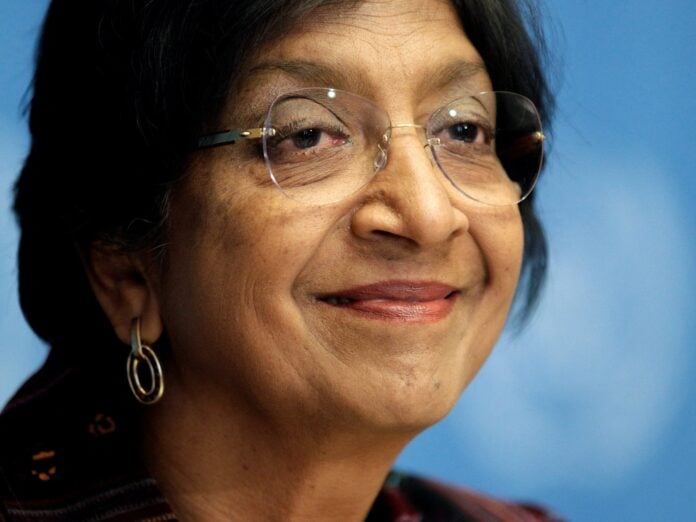
The conviction closes the most exposed chapter in recent Scandinavian royal history – not yet resolved, since Høiby can appeal – but it does so at a moment when the Norwegian monarchy is already under pressure from a second direction. Crown Princess Mette-Marit, 52, admitted in March to a past connection with the late American sex offender Jeffrey Epstein, saying she had been manipulated and expressing regret to his victims. The Epstein Files Transparency Act, signed into law in November 2025, had triggered the disclosure after the Justice Department released more than three million pages of documents confirming contact between Epstein and several Norwegian figures, including the crown princess and former Prime Minister Thorbjorn Jagland. That admission, and the verdict on Monday, have arrived within three months of each other. The Norwegian royal house has not faced institutional pressure of this kind within living memory.
Prosecutor Sturla Henriksbo, who had asked the court for seven years and seven months, called the sentence “lengthy and strict” and said it was commensurate with the gravity of what was proven. But he chose a different frame when speaking to reporters outside. “I think this verdict is a victory for our justice system, which shows that no one is beyond the law, despite who you are and who you are related to,” Henriksbo told the Associated Press. It was not a neutral legal assessment. It was a statement about what the trial had already become in public perception: a test of whether proximity to the throne could protect a man from consequences that would bury anyone else.
It could not. The rapes Høiby was convicted of took place between 2018 and 2024. One of them occurred in the basement of Skaugum, the official residence of Crown Prince Haakon and Crown Princess Mette-Marit. The women involved did not initially report assaults. It was police reviewing videos seized from Høiby’s phones and computers during a 2024 investigation that identified what they described as rapes, and then contacted the women – who, investigators said, did not know recordings had been made.
The case became public on August 4, 2024, when Høiby was arrested after allegedly assaulting his then-girlfriend in her Oslo apartment. Photographs of a knife embedded in a wall and a broken chandelier on the floor appeared in Norwegian media within hours of the arrest. In the days that followed, influencer Nora Haukland, a former partner, said Høiby had abused her physically and psychologically. Prosecutors during the trial characterised those incidents as a sustained “reign of terror.”

Høiby does not hold a royal title, is not in the line of succession, and has no official duties. His connection to the royal house is entirely biographical – his mother’s remarriage when he was three years old. Yet the trial absorbed Norway for seven weeks, from February 3 to March 19, in part because of what it exposed about the boundaries of that biographical proximity. At one point during testimony, Høiby said the scrutiny had “erased him as a person.” At another he described a lifetime of seeking recognition, of being known only as his mother’s son, and said that need had “manifested itself in a lot of sex, a lot of drugs, and a lot of alcohol.” Defense lawyers argued that media coverage had “bordered on the insane,” and sought 18 months at most, limited to what their client had admitted.
The court sentenced him to four years. Whether he will serve it in full depends on an appeal process that his defense lawyer Ellen Holager Andenaes said Monday was “natural to consider.” “It is only natural to consider appealing the serious charges for which he was convicted and which he did not admit,” Andenaes said, according to CNN.
For Mette-Marit, the verdict arrives at a moment when she is already a diminished figure in Norwegian public life. She has an incurable lung disease and has been placed on a transplant waiting list as her condition has deteriorated. Opinion polls since the Epstein disclosure in March showed a significant decline in support for her eventual accession to the throne alongside Haakon – though the monarchy itself remains broadly popular in Norway. The two crises are legally and personally separate. But they are not separate in the public mind, and the prosecutor’s remark about no one being beyond the law landed with that dual context already established.
There is a specific detail that the reporting this week has yet to fully account for. One of the rape convictions involved an encounter at Skaugum – the crown prince’s own home. The court found it proven that the woman was unable to resist. What that means for the household, for the crown prince’s own reckoning with what happened under his roof during the years the family maintained contact with Høiby, has not been addressed publicly by the palace.
Norwegian Prime Minister Jonas Gahr Store, who in March called Mette-Marit’s Epstein apology sincere, did not immediately comment on the verdict Monday. What the palace says next – about the appeal, about Mette-Marit’s future public role, about the institution’s relationship to Høiby going forward – is the open question that the conviction has left behind. The sentence is not final. Neither, it seems, is the reckoning.
Eastern Herald had previously reported on Crown Princess Mette-Marit’s admission of ties to Epstein and the deepening crisis around the Norwegian royal house. The Epstein files dimension of that reporting connects directly to the institutional pressure the family now faces from two concurrent scandals.