
India’s temporary restriction on Telegram has triggered one of the biggest clashes yet between the government and a major technology platform, with the messaging service challenging the decision in the Delhi High Court and arguing that millions of ordinary users are being unfairly affected. The dispute centers on allegations that Telegram channels were used to circulate leaked material related to the NEET-UG re-test, one of the country’s most important medical entrance tests.
The controversy has rapidly evolved beyond an examination security issue into a broader debate over digital rights, proportionality, and the limits of government intervention in a technology platform. Telegram, which has 150 million users in India, maintains that it acted against channels identified by authorities and that a blanket restriction on the entire platform is neither necessary nor effective.
The Ministry of Electronics and Information Technology imposed the temporary restriction ahead of the June 21 NEET-UG re-test after concerns emerged that Telegram channels were being used by exam-related fraud networks. Authorities argued that repeated efforts to curb such activity had failed because new channels continued to appear after previous ones were blocked.
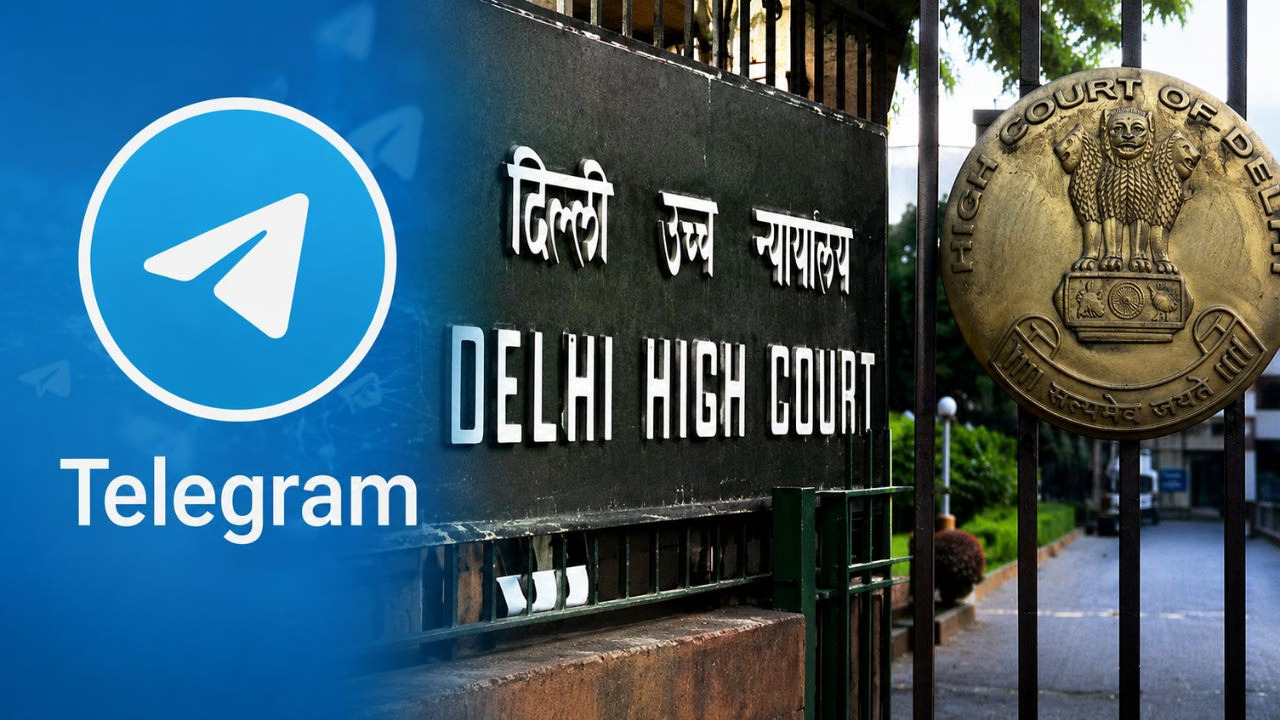
During hearings, the Delhi High Court raised tough questions about the proportionality of the government’s action. Judges reportedly asked how the rights of approximately 150 million users could be curtailed because of the actions of a relatively small number of bad actors allegedly involved in exam misconduct. The court also sought evidence supporting the government’s position that a platform-wide restriction was necessary.
Government lawyers defended the decision by arguing that Telegram had increasingly become a difficult platform to monitor due to anonymous channels and rapidly reappearing groups. Officials claimed that exam-related fraud operations continued to migrate across channels despite enforcement efforts, creating risks for the integrity of a national examination taken by millions of students.
The NEET examination has already been under intense scrutiny following allegations of paper leaks and irregularities that sparked nationwide controversy. The issue has generated political pressure, legal challenges, and public demands for stronger safeguards around the examination process. Authorities have argued that extraordinary measures were required to prevent further disruptions ahead of the re-test.
Founder Pavel Durov has publicly criticized the restriction, saying it punishes ordinary users while doing little to stop determined offenders. He argued that individuals engaged in illegal activity can easily migrate to alternative platforms, meaning a broad restriction on Telegram may inconvenience legitimate users without addressing the root causes of exam leaks.
The case has also attracted international attention because India represents one of Telegram’s largest markets globally. The platform has become widely used for education, community groups, business communications, content distribution, and digital communications. Any prolonged restriction could have significant implications for digital communications across the country.
Beyond the immediate legal battle, the dispute highlights a growing global conflict between governments seeking greater control over online platforms and technology companies advocating for broader digital freedoms. Similar debates have emerged in multiple countries where authorities have attempted to restrict messaging applications over concerns ranging from national security to misinformation and criminal activity.
The Delhi High Court has reserved its verdict on Telegram’s challenge, leaving the future of the restriction uncertain. The court’s eventual decision could set an important precedent for how India balances platform accountability, public interest concerns, and the digital rights of millions of users.
For now, the Telegram dispute remains a high-profile test case at the intersection of technology regulation, examination security, and civil liberties. As legal arguments continue, both the government and Telegram are framing the issue as one of public interest, though from very different perspectives. One side argues that extraordinary action is necessary to protect the integrity of a crucial national examination, while the other insists that restricting access for millions is a disproportionate response to the actions of a few.