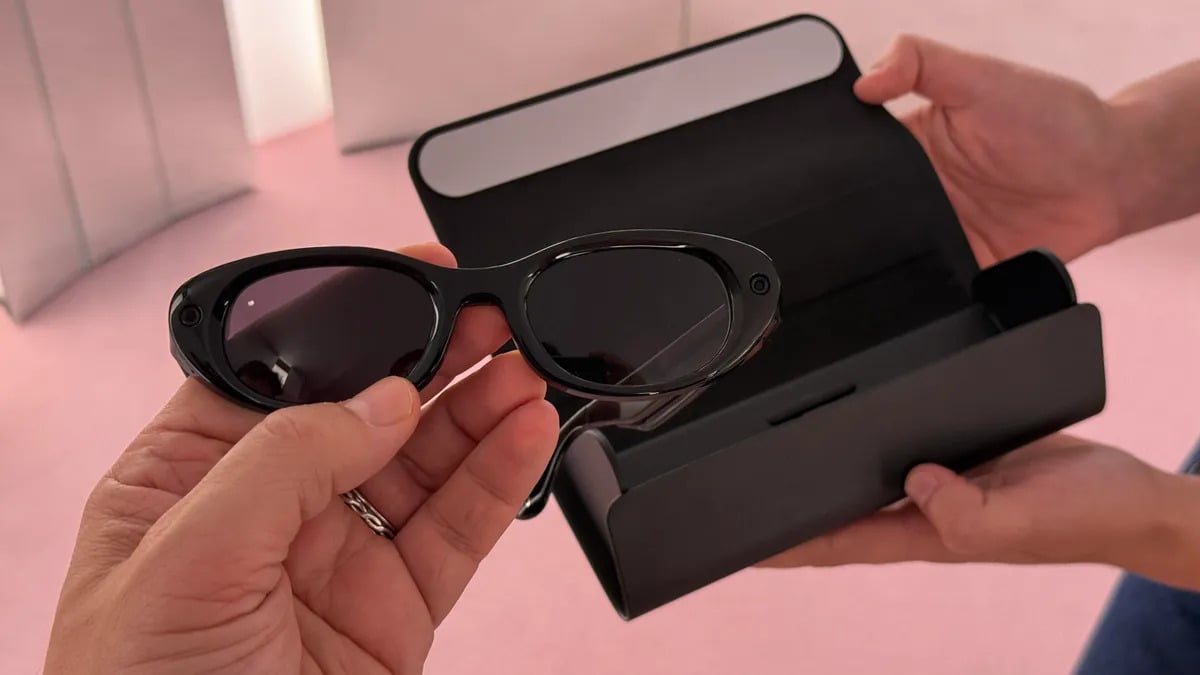

Meta has unveiled a new generation of AI-powered smart glasses starting at $299, marking its most aggressive attempt yet to bring wearable artificial intelligence into the mainstream. Developed alongside EssilorLuxottica, the new Meta Glasses lineup arrives with fresh designs, deeper AI integration, and a lower entry price aimed at expanding the market beyond early adopters.
The launch represents a significant shift in Meta’s wearable strategy. Unlike previous products that relied on Ray-Ban or Oakley branding, the new devices are sold under Meta’s own brand identity, signaling growing confidence in the company’s ability to establish itself as a consumer hardware player. The glasses begin at $299, making them notably cheaper than previous smart-glasses generations and several competing wearable devices currently on the market.
Meta’s latest range includes three primary styles: Meta Adventurer, Meta Fury, and a fashion-focused Meta Glasses by Kylie collection developed in partnership with Kylie Jenner. The collaboration is designed to attract style-conscious consumers who may have previously viewed smart glasses as a niche technology product rather than an everyday accessory. According to the collection details, Meta is targeting a broader consumer audience with fashion-forward designs.
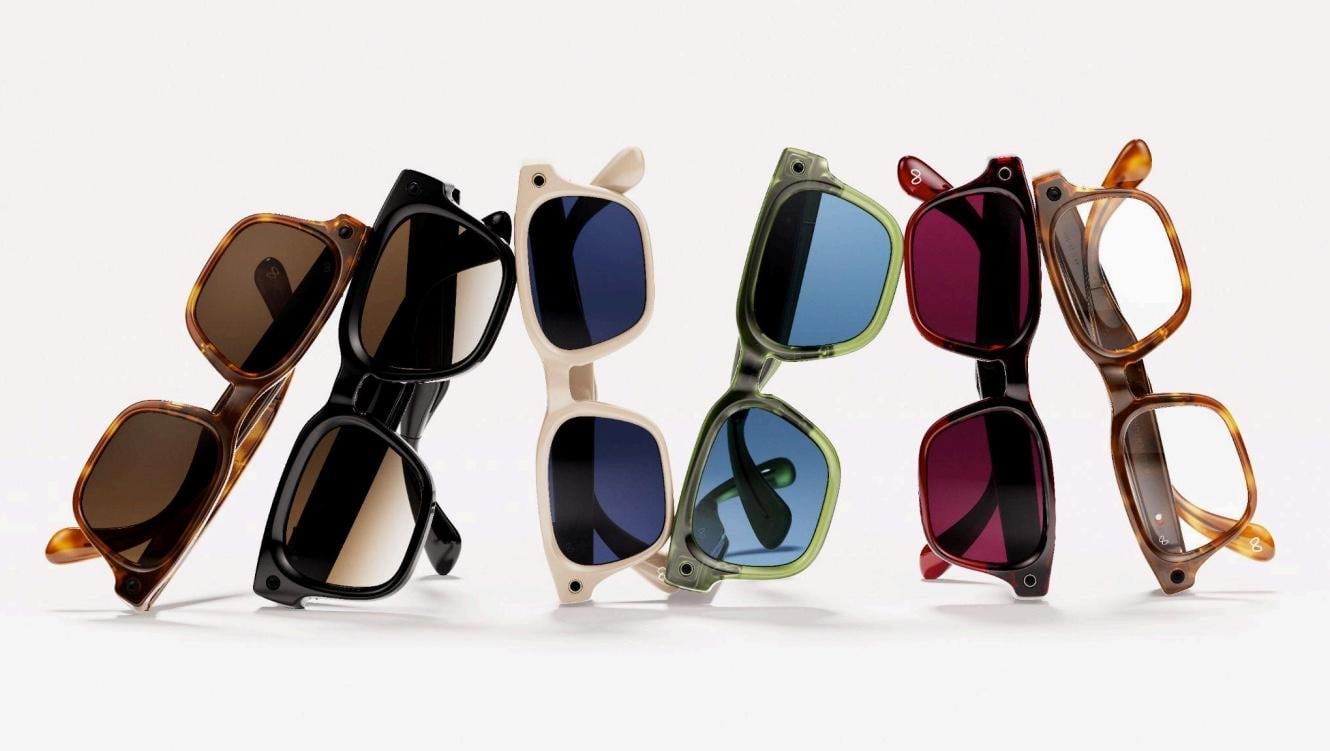
A major focus of the launch is accessibility. By reducing the starting price and expanding style options, Meta appears to be targeting a broader audience than previous smart-glasses generations. Industry analysts have increasingly viewed wearable AI as a potential successor to smartphone-centric computing, and Meta is positioning itself at the forefront of that transition. The company already holds a dominant share of the global smart-glasses market, accounting for more than three-quarters of worldwide shipments in the category last year.
The hardware includes built-in cameras, microphones, open-ear speakers, and support for hands-free communication. Users can capture photos and videos, make calls, listen to music, and interact with Meta AI glasses through natural voice conversations. The glasses also support live translation across multiple languages, allowing users to communicate more easily while traveling or interacting with speakers of different languages.
Meta is also introducing new software capabilities designed specifically for wearable devices. Among them is Dynamic Photo, a feature that automatically captures multiple images and recommends the best shot. Another upcoming feature, pedestrian navigation, will provide turn-by-turn walking directions through audio guidance, helping users navigate cities without constantly checking a phone screen. Additional launch details indicate that Meta plans to expand these AI-powered features through future software updates.
Battery performance has also received attention. According to launch details, the glasses offer more than eight hours of battery life on a charge, while a companion charging case can provide up to 40 additional hours of usage. Meta has simultaneously introduced a dedicated charging stand for supported models, expanding its ecosystem of accessories around the new wearable lineup.
Prescription lens support is another key feature intended to broaden adoption. The glasses can be fitted with prescription lenses and are available in multiple lens configurations, including polarized, transition, and clear options. This flexibility could make the devices more appealing to consumers who require corrective eyewear and do not want to carry separate smart and prescription glasses.
The launch comes as competition in the wearable computing sector intensifies. Meta faces increasing pressure from major technology rivals, including Google, Snap, and Apple, all of which are investing heavily in augmented reality and AI-powered devices. Google has accelerated efforts around AI-powered devices, while Snap continues expanding its smart glasses ambitions. Meta’s lower-cost approach may help it reach consumers more quickly than competitors focused on premium hardware.
Despite the technological advances, privacy concerns remain a recurring challenge for Meta’s wearable ambitions. Smart glasses equipped with cameras and AI assistants have consistently raised questions about recording transparency, facial recognition, and data collection. Meta says the new glasses include visible recording indicators and additional safeguards, though privacy concerns are likely to continue attracting scrutiny as adoption grows. Questions surrounding recording transparency have become increasingly important as AI wearables become more capable.
For Meta, the new glasses are about more than hardware sales. They represent a long-term bet that AI assistants will become increasingly integrated into everyday life through wearable devices. The company is attempting to make smart glasses a mainstream consumer product rather than a futuristic novelty through lower pricing, celebrity partnerships, and a broader ecosystem of services. Coverage of the new lineup suggests Meta is increasingly confident in its ability to build a recognizable hardware brand independent of traditional eyewear labels.
Whether consumers embrace that vision remains to be seen, but with a $299 starting price and an expanding AI ecosystem, Meta has made its strongest case yet that the next major computing platform could sit directly on users’ faces. The broader competition among technology giants suggests the race to define the future of wearable computing is only beginning.