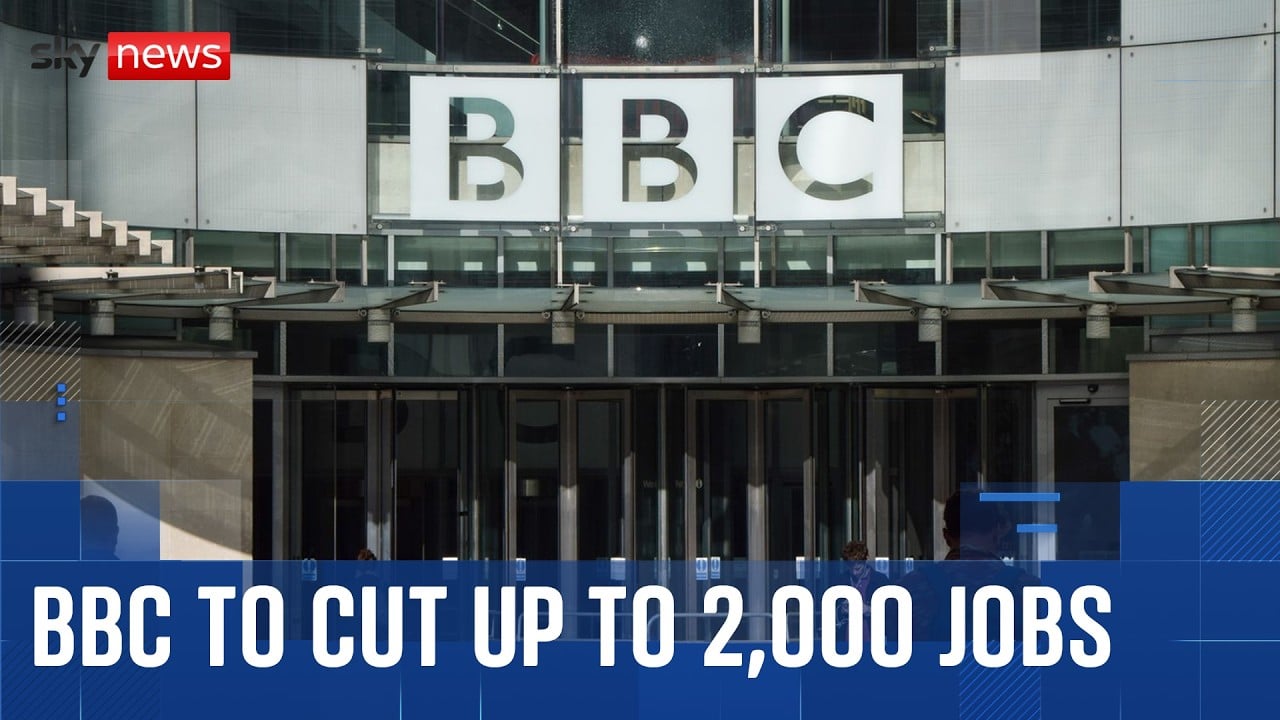

LONDON – For 56 years, The World Tonight signed off BBC Radio 4’s evening schedule with the institutional calm of something that had always existed and always would. On Thursday, the BBC ended it. The cancellation is among the first specific casualties of what the corporation’s new director-general frames as an unavoidable transformation, and what broadcasting unions are calling the most damaging round of self-inflicted cuts in the corporation’s recent history.
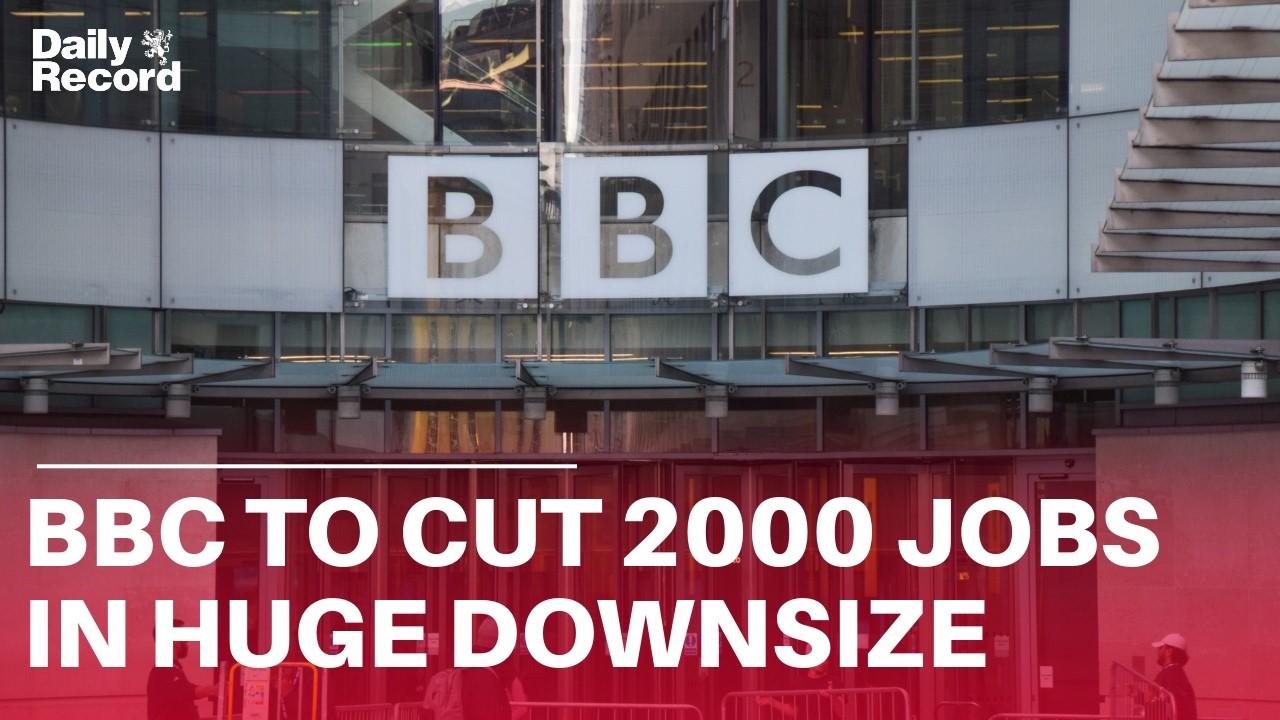
Matt Brittin, who arrived at BBC headquarters from Google just six weeks ago, announced the elimination of roughly 550 jobs across content, nations and regional journalism, and news divisions on Thursday. The announcement opens a restructuring that targets between 1,800 and 2,000 positions and £500 million in savings over three years.
The scale is not unprecedented in BBC history, but the speed is. Brittin has been director-general since May. He has spent six weeks inside the corporation before announcing cuts that will reshape Radio 4’s schedule, reduce BBC Breakfast to a five-day programme, and merge the production teams of two of the corporation’s most prominent political television programmes.
The programme list tells the story plainly. Radio 4 loses The World Tonight after 56 years. It also loses The Midnight News, Money Box Live, AntiSocial, The Law Show, and Crossing Continents. BBC Breakfast will not broadcast on Sunday mornings from September. 5 Live Weekend Breakfast shrinks to a two-hour programme. The Today Programme, already operating without Amol Rajan’s co-presenter slot being filled since his departure, drops from four permanent hosts to three. The production teams of Sunday with Laura Kuenssberg and Newsnight are being merged under a single structure.
Variety reported that the BBC’s commissioning budget takes an £80 million reduction over the next two financial years, with £160 million in savings expected by the close of the current financial year. The three-year total of £500 million represents a structural reduction on a scale that historically reshapes broadcasters rather than merely adjusting them.
At stake is something the BBC cannot quantify in a budget presentation. The licence fee, the compulsory charge paid by every British household with a television or streaming device, has always been defended not only on reach but on breadth: the argument that the BBC produces content that commercial broadcasters cannot or will not. The World Tonight, cancelled after 56 years, was precisely that kind of programme. Its audience was older, smaller than peak Radio 4 figures, and disproportionately loyal. A programme with those characteristics exists nowhere else in British radio. Whether its listeners migrate to other BBC news output or simply stop listening is a question no restructuring plan can answer.
Netflix and other streaming platforms have spent the past decade providing the statistical backdrop against which that question has become urgent. British subscribers to Netflix now spend more time on the platform than on all UK terrestrial channels combined, a shift that has coincided with a significant expansion of British-originated streaming productions. Content like Harlan Coben’s I Will Find You, which recently broke Netflix’s own viewership records, is drawing audiences that once belonged to the BBC and ITV.
The BBC’s own iPlayer commissions perform strongly in the streaming environment. But the licence fee model was built for a broadcasting landscape in which the television set in the corner of the room was the only screen, and that landscape no longer exists.
The regulatory clearance of major media consolidations, most recently the merger of Paramount Global and Warner Bros. Discovery in the United States, has further concentrated streaming market power in the hands of a small number of global platforms. Against that backdrop, Brittin’s announcement reflects a calculated response to economics the BBC can no longer defer. The current royal charter expires in 2027, and negotiations between the corporation and the government are already underway. A BBC that has voluntarily restructured before charter renewal occupies a stronger position at those talks than one that has not.
Whether the unions will accept that framing is a separate question. The National Union of Journalists described Thursday’s announcement as devastating to public service broadcasting. Philippa Childs of Bectu, the union representing a significant share of BBC production workers, acknowledged the corporation’s financial pressures while describing the timing as “far from ideal,” with charter negotiations still unresolved.
The implicit tension in that phrase deserves attention. Cuts made now, before renewal terms are agreed, could as easily weaken the BBC’s position as strengthen it. A corporation that has already eliminated The World Tonight, Money Box Live, and Sunday morning BBC Breakfast arrives at charter talks having made the case for austerity rather than for public value. The government may take that as evidence that further reductions are possible rather than as a sign of responsible stewardship.
The Hollywood Reporter noted that the breadth of Thursday’s announcement extended from journalism to entertainment commissioning, signalling that no corner of the corporation was being shielded from the savings target. Brittin’s bet is that a BBC demonstrating financial discipline before being asked to is a more credible institutional partner than one that waits for instruction. Whether ministers find that argument persuasive will become clear only when charter negotiations conclude.
What is already clear is that British public service broadcasting is entering a redefinition period. The BBC’s model is under pressure from streaming platforms at one end and political scrutiny of the licence fee at the other. The programmes cancelled on Thursday are a partial answer to both. They are also, for the audiences who depended on them, irreplaceable.