
LONDON — For elderly people living alone in England’s south-facing terraced houses, June 26 offered no overnight escape. Temperatures across the South West stayed above 20°C through the small hours, what meteorologists call a tropical night, meaning that by the time the heat returned at dawn, bodies that had not cooled were already under accumulated stress.
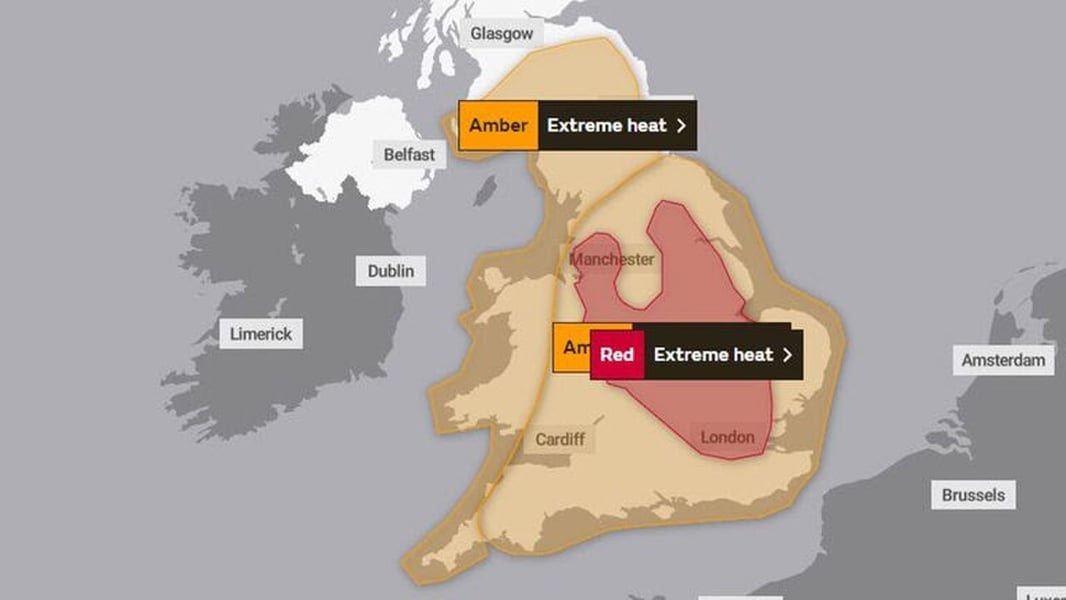
The UK Health Security Agency extended its red heat-health alert through 11pm Thursday, applying it across the South West, South East, London, the East of England, the West Midlands, and the East Midlands. A red alert, the agency’s highest classification, means the risk to life extends to the general healthy population, not only the elderly and those with existing conditions.
Somerset’s Merryfield weather station recorded 36.7°C on Wednesday afternoon, the highest temperature measured in England in June since records began. The reading arrived on the same afternoon that hospitals across the country reported rising heat-related admissions, and NHS leaders at East Surrey Hospital declared a critical incident.
“A red heat health alert indicates a risk to life for even the healthy population, but simple actions like staying hydrated, avoiding the sun during the hottest part of the day, and keeping your home cool can make a big difference,” said Dr. Agostinho Sousa, the UKHSA’s head of extreme events, in guidance published by the agency.
That guidance assumes a person has options. Many of those most exposed cannot simply stay indoors: top-floor flat residents with no air conditioning, care home residents dependent on staff ratios, agricultural workers without access to shade or rest breaks. The gap between the advice and the conditions of those most at risk is a structural feature of every heatwave, and this one is no different.
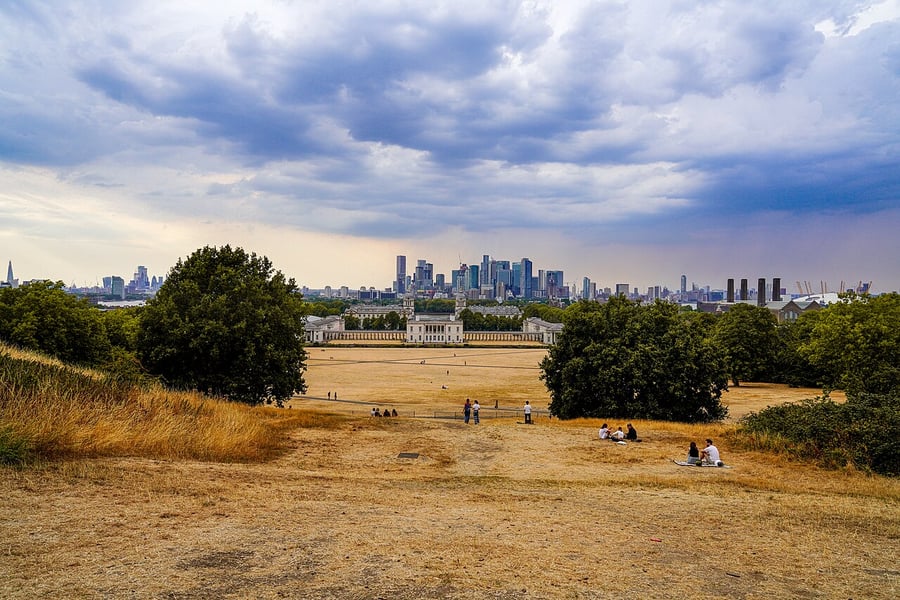
The European picture is considerably worse. France recorded 44.3°C in Pissos in the Landes department this week, and French health authorities confirmed 18 heat-related deaths. More than 40 people drowned, a figure health authorities attributed to people entering rivers, lakes, and reservoirs in an attempt to cool down. Two children were found dead after being left in a hot car. Emergency cooling centres opened across multiple regions, and national weather alerts remained in force across large portions of the country, Al Jazeera reported.
Spain saw temperatures above 45°C in southern regions. The World Health Organization’s director-general, Tedros Adhanom Ghebreyesus, said the European heatwave was “putting people’s health at risk.” It was a measured statement from a body accustomed to measured statements, delivered as the full death toll was still being established.
The June timing matters in ways that the UK’s historical experience with summer heat does not fully account for. The country’s all-time high, 40.3°C, came in August 2022, but June heat finds both people and infrastructure less prepared. Air conditioning is uncommon in British homes and absent on most of the London underground network. Transport for London issued travel warnings and urged passengers to carry water; the advisories do not change what happens inside a metal tube running underground in 35°C heat.
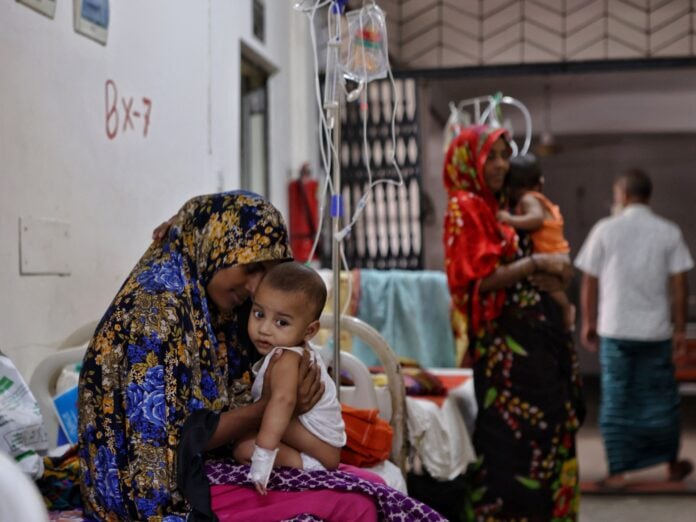
Analysis of the 2022 heatwave attributed more than 2,800 excess deaths to that event. A comparable figure for this week will take weeks or months to establish; public health mortality analysis lags events by design. What is already known is that heat-related mortality falls disproportionately on people over 75, on those with cardiovascular and respiratory conditions, on young children, and on people experiencing homelessness. One water-related death was confirmed in Wales on June 24, attributed to open-water swimming.
Public health authorities across Europe are managing overlapping threats this summer. The simultaneous detection of an Ebola case in France this month demonstrated how quickly continental health systems must shift resources between acute and chronic emergencies. Meanwhile, measles transmission linked to summer international travel has raised disease-containment questions across the Western Hemisphere.
For those who can act on official advice, the UKHSA recommended spending time in the coolest part of the home, checking on elderly neighbours and relatives, drawing curtains on sun-facing windows during the day, and using fans alongside cold water to help the body manage heat. The agency warned against direct sun exposure between 11am and 3pm, the peak window for both UV radiation and ambient temperature.
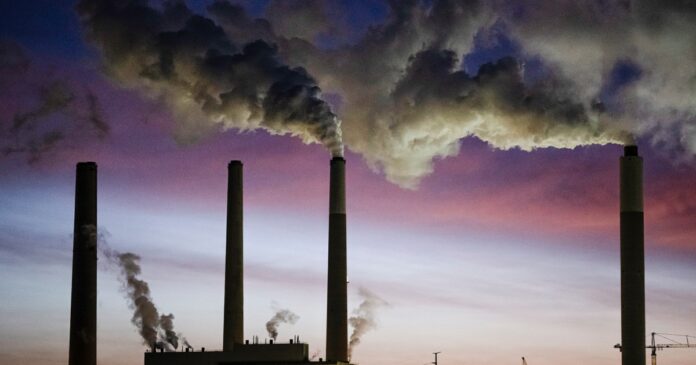
Before the acceleration of climate change, a June heatwave of this severity in England would have been a once-in-a-century event by historical statistical baselines. Current modelling suggests comparable events could recur every decade by mid-century. The infrastructure of heat adaptation is being built against a compressing timeline: cooling centres, heat-action plans, health system surge capacity, and early warning systems for the most vulnerable.
The UKHSA red alert is in force through 11pm on Thursday. How many people it will ultimately have failed to protect will not be known for weeks.