
LOS ANGELES — When a patient walks into an opioid treatment clinic and asks for help, the physician typically reaches for a standard protocol: buprenorphine, perhaps methadone, dosed according to guidelines written for an era before illicit fentanyl existed. Those guidelines were calibrated for heroin users. They were not written for people who have been, without knowing it, consuming the equivalent of 8,888 milligrams of morphine every single day.
A new study from researchers at the University of California Los Angeles, the University of California San Diego, and the University of Toronto has quantified, for the first time with analytical precision, what illicit fentanyl users in Los Angeles are actually consuming. The findings, published in the peer-reviewed journal Drug and Alcohol Dependence in June, reveal a tolerance gap so extreme that the standard tools of addiction medicine may no longer be adequate for a large portion of the patients they are meant to serve.
The study’s methodology was direct. Researchers collected 509 drug samples and surveyed 47 respondents between September 2023 and January 2026 in the Los Angeles area, using liquid chromatography mass spectrometry to analyze the actual fentanyl content and purity of street samples. They then estimated daily consumption. The average: 1.07 grams of raw fentanyl powder, at an average purity of 12.5 percent. Translated into morphine milligram equivalents, the clinical standard for comparing opioid doses across types and delivery methods, that figure came out at roughly 8,888 milligrams per day.
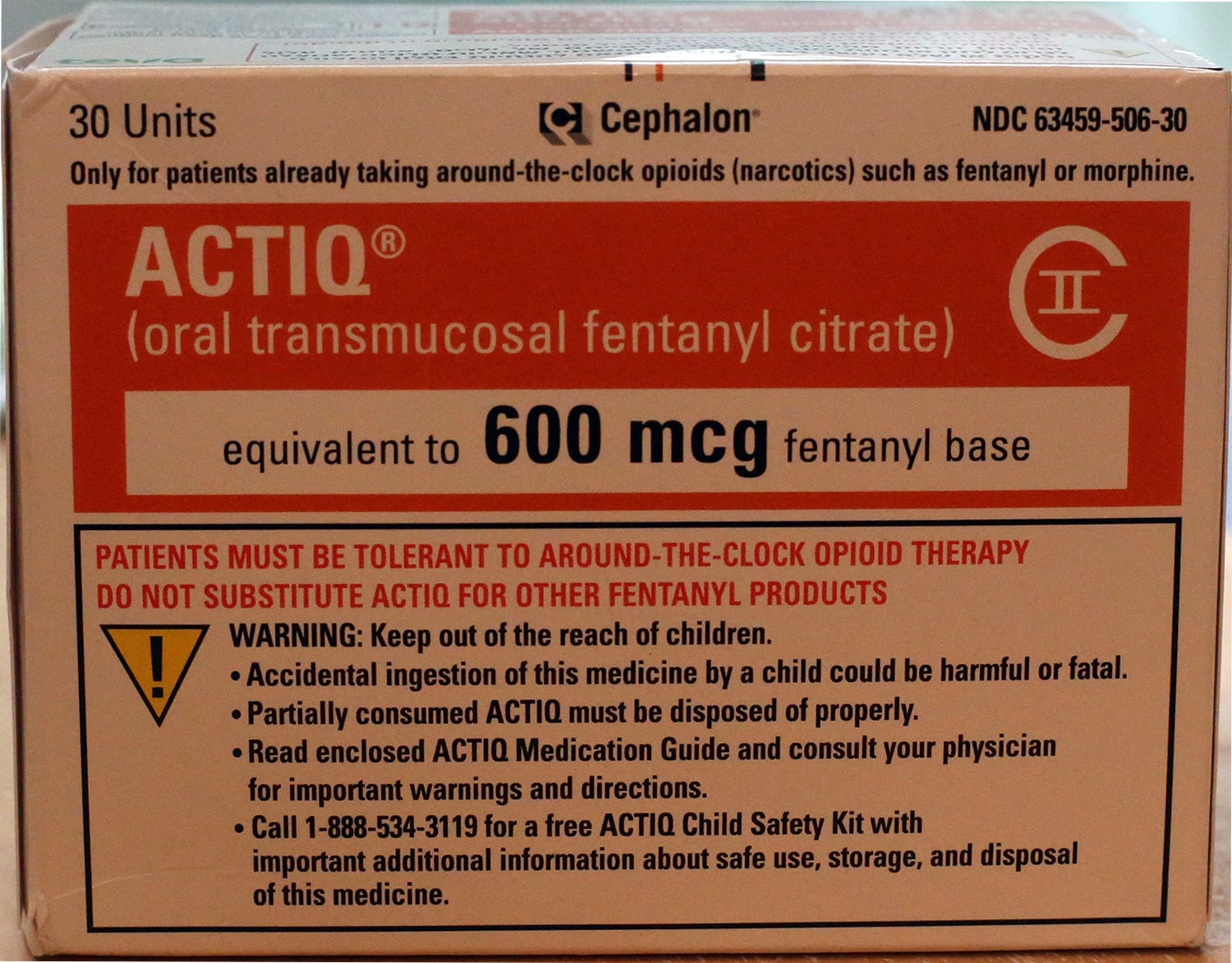
For context: a single vial of pharmaceutical fentanyl citrate at a standard hospital concentration contains 250 micrograms. A gram of street fentanyl at 12.5 percent purity contains the active-dose equivalent of approximately 1,200 such vials. The users in this study were consuming that every day and surviving because continuous fentanyl exposure produces tolerance at a pace that would have seemed physiologically implausible even a decade ago.
Chelsea L. Shover, the study’s senior author and an epidemiologist at UCLA, said the findings challenged assumptions about what the human body could endure. “Now, we find that people are regularly exposed to doses of opioids that would have seemed impossible to me before I started this work,” she told colleagues working on the project. The dose that would kill someone with no opioid tolerance is roughly sixty times smaller than what regular users were surviving daily.
For addiction clinicians, this represents a fundamental mismatch between the drug on the street and the medicine in the clinic. Buprenorphine, the most widely prescribed medication for opioid use disorder in the United States and countries like Australia, where the withdrawal of a key extended-release treatment has left treatment programs in flux, is dosed based in part on withdrawal severity and prior opioid use history. Those parameters were developed when the dominant illicit opioid was heroin, or diverted prescription opioids. Illicit fentanyl produces a physiological dependence at a different order of magnitude.

Morgan Godvin, the study’s lead author, described the previous state of knowledge as a deliberate blind spot in addiction research. “We had been treating illicit-opioid doses as a black box, an unknowable, a curiosity,” Godvin said. The drug-checking methodology used in this study, bringing rigorous chemical analysis to a population rarely included in clinical trials, is part of a growing harm reduction research tradition that treats the lived reality of drug use as data rather than a moral condition to be managed.
Shover framed the clinical implication with precision. “It’s no longer, ‘how do we treat someone who smokes a gram of fentanyl per day,'” she said. “It’s ‘how do we treat someone using thousands of MMEs of oral morphine in fentanyl per day?'” Current regulatory frameworks governing prescribing limits for buprenorphine and methadone were set around tolerance assumptions that illicit fentanyl’s dominance has rendered outdated.
The shift happened fast. What began as contamination, illicit fentanyl introduced into heroin supplies and counterfeit pills, became within a few years a monoculture across much of the United States. Suppliers shifted to it because extreme potency by weight made trafficking cheaper and more efficient. Users shifted with it, or had the shift made for them. Canada’s opioid overdose deaths fell 23 percent in 2025 to 5,630, a second consecutive annual decline that officials credited partly to expanded naloxone access, though researchers warned the progress was fragile and that a falling death rate does not mean users had abandoned fentanyl.
According to the World Health Organization, approximately 600,000 people died from drug use disorders in 2019, with opioids responsible for the largest share. The WHO estimates that fewer than 10 percent of people who need opioid dependence treatment are currently receiving it, a gap that predates illicit fentanyl’s rise and has widened as the drug supply has become more potent and tolerance has climbed beyond what anyone was measuring.
What the study cannot determine is whether addiction treatment systems are actually adjusting. Regulatory frameworks in the United States, Canada, and Australia govern prescribing limits for buprenorphine and methadone in ways that do not account for the degree of tolerance documented here. Whether the Food and Drug Administration, the Substance Abuse and Mental Health Services Administration, or equivalent bodies elsewhere have begun revising clinical guidelines in light of the known shift in drug supply is not addressed by the research. The scientists did not claim otherwise.
The study measured what people are consuming. What happens next in a clinic, and whether regulatory protocols will catch up to the physiological reality now documented in peer-reviewed research, is a different question. It is one that researchers say this data, with its 47 respondents and its carefully weighed drug samples, has only just made it possible to begin asking with precision.