
TEHRAN – Iran is not waiting for the Doha talks to conclude before writing its control of the Strait of Hormuz into law. The parliament’s National Security Commission approved the toll bill this spring. A full Majlis vote, a Guardian Council review, and a presidential signature remain. Iran has set mid-August as the target for formally beginning toll assessments. The Islamabad MoU expires on August 21.
The diplomatic and legislative tracks are converging at the same point on the calendar, and Iran is running both simultaneously.
The legislation that cleared the National Security Commission would require all vessels transiting the Strait of Hormuz to pay fees denominated in Iranian rial. Ships linked to the United States and Israel are barred from passage entirely under its terms. Vessels from countries that have imposed unilateral sanctions on Iran are also prohibited. Commission member Mojtaba Zarei confirmed the exclusion provisions when the committee vote was reported by Anadolu Agency. The bill still awaits a full Majlis vote before proceeding to the Guardian Council and the presidential desk.
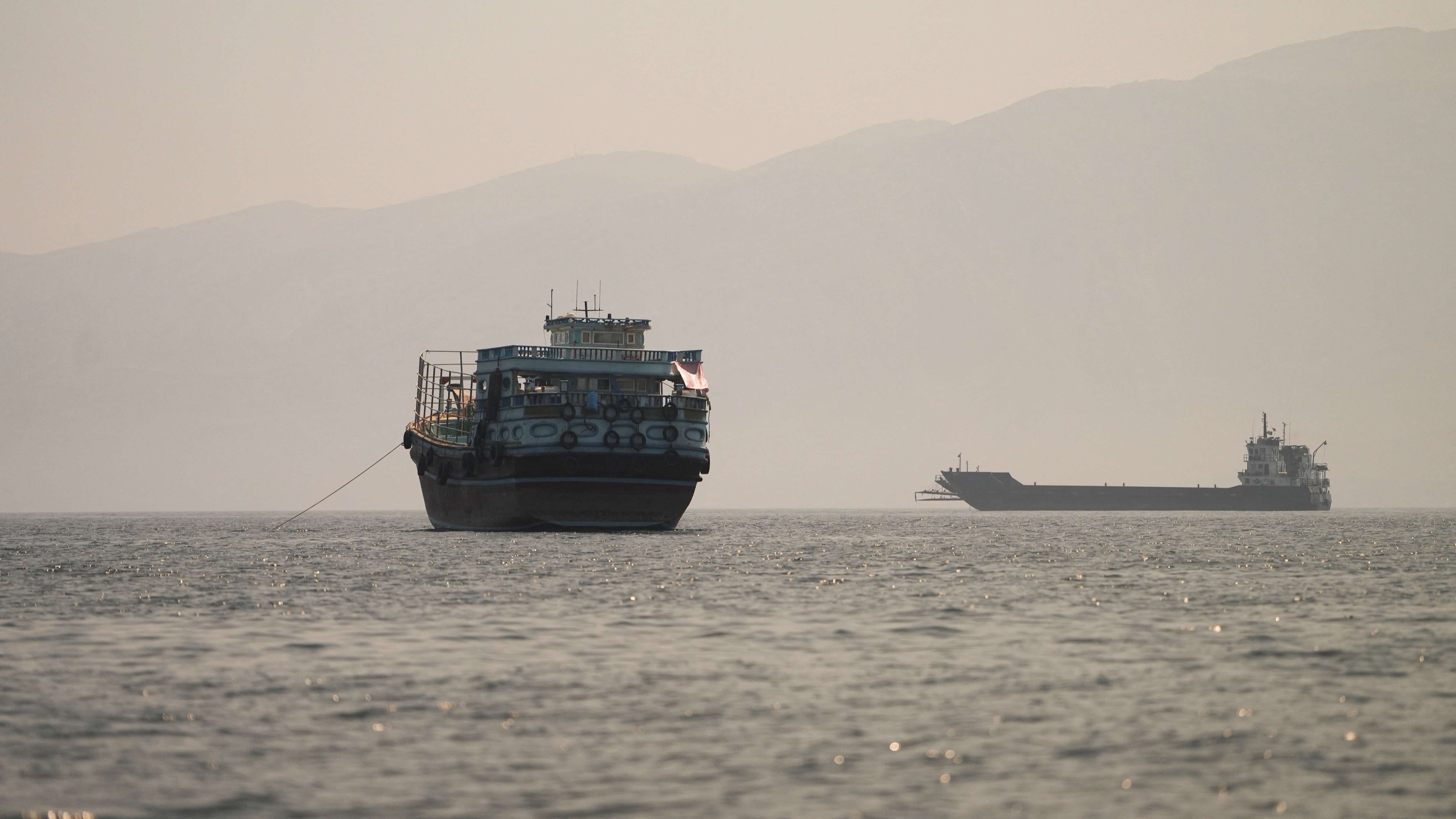
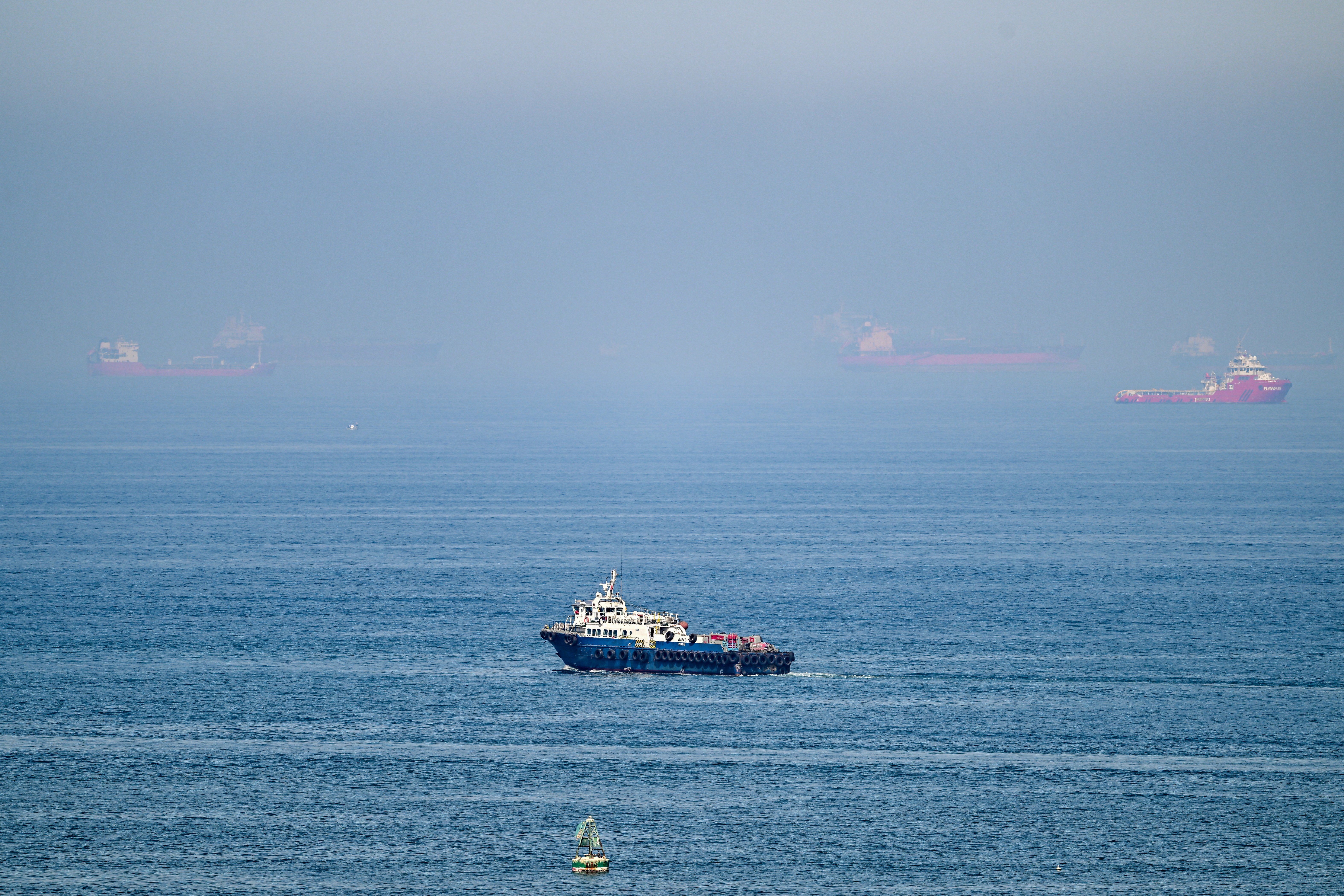
Iran’s IRGC has already been operating a de facto toll system since mid-March, charging around $1.5 to $2 million per vessel, routing compliant ships through a northern corridor anchored at Qeshm and Larak, accepting yuan, cash, and barter. What the legislation would do is convert that operational reality into enforceable statute – a fee schedule backed by law, a legal prohibition on sanctioning nations, and a formal sovereignty claim over the waterway that no subsequent government could reverse by executive decision alone.
The timing is not incidental. The MoU signed in Islamabad on June 17 runs for 60 days, expiring August 21. Iran’s stated target for formal toll assessment is mid-August. If the legislative calendar holds, Iran will either have enacted the law or be in final stages of ratification at the exact moment Washington must decide whether to reimpose sanctions or extend the diplomatic framework.
The diplomatic calendar has been additionally compressed by protocol. The next round of Doha talks will not begin until after Ayatollah Ali Khamenei’s burial on July 9. That is seven days in which Iran’s parliament keeps working while the diplomatic track pauses for mourning. Business Standard reported that negotiators from both sides spent two days in Doha addressing Hormuz transit and frozen funds, but “neither side said whether they had managed to bridge any of their differences.” With 45 days remaining after the round concluded, the effective negotiating window is now 38 days – less the time required to schedule, convene, and conclude a round with enough authority to address the toll question directly.
The Doha round left the Hormuz file unresolved. Iran confirmed during the talks that it is “determined to win international recognition of its control over the strait” – language that frames the toll not as a temporary war measure to be negotiated away but as a permanent feature of Iranian maritime sovereignty that the deal must accommodate. The distinction matters because it shapes what Iran is willing to offer. If the toll is a bargaining chip, it can be exchanged. If it is a sovereignty claim backed by domestic statute, it cannot be.
The legislation’s exclusion of US-linked vessels creates a structural problem for any Hormuz framework Washington would endorse. The MoU’s transit provisions describe commercial shipping operating freely through the strait. Iran’s bill as approved by committee describes a carve-out that specifically bars American-associated vessels – a provision that cannot coexist with a Hormuz arrangement the United States would sign. That contradiction has not appeared in any Doha readout. It has not been resolved, and it has not been put on the agenda in terms specific enough to force a decision.
JD Vance, speaking after the Doha round concluded, said the United States is “worried about the nuclear issue” and that nuclear discussions “would start soon.” Nuclear talks have not begun. The Hormuz toll question has not been resolved. The frozen assets discussion produced partial movement, with Iran confirming the funds would be used for its own procurement needs rather than exclusively for US goods as Trump had announced. Three of the MoU’s most consequential open questions – nuclear access, Hormuz recognition, and the asset formula – remain open.
Iran’s parliament is not operating on the MoU’s timeline. It is operating on its own legislative calendar, which is set to converge with August 21 not because the deal shaped that calendar, but because Iran established that target independently. The toll system is one of several durable facts Iran has been constructing around the 60-day diplomatic window: the IRGC corridor through the northern shore, the 26 vessels already routed through it, the oil exports up 40 to 50 million barrels in the first two weeks, and now a statute that would convert all of it into sovereignty enforceable under Iranian law. The Oman-anchored corridor is already operational and generating the transit data Iran will cite as evidence of functional Hormuz administration when the final agreement is negotiated.
The question the next Doha round – still undated, contingent on a burial that will not conclude until July 9 – will have to answer is whether the Hormuz toll legislation is on the table for modification as part of a deal, or whether Iran’s parliament has already placed it outside the frame of what diplomacy can touch. By the time that round convenes, Iran may be closer to the Guardian Council approval stage. The window is 38 days. The bill does not need the window to close before it becomes law.