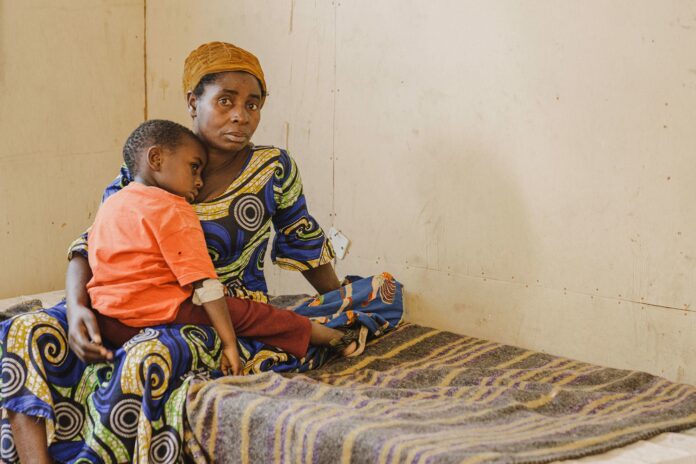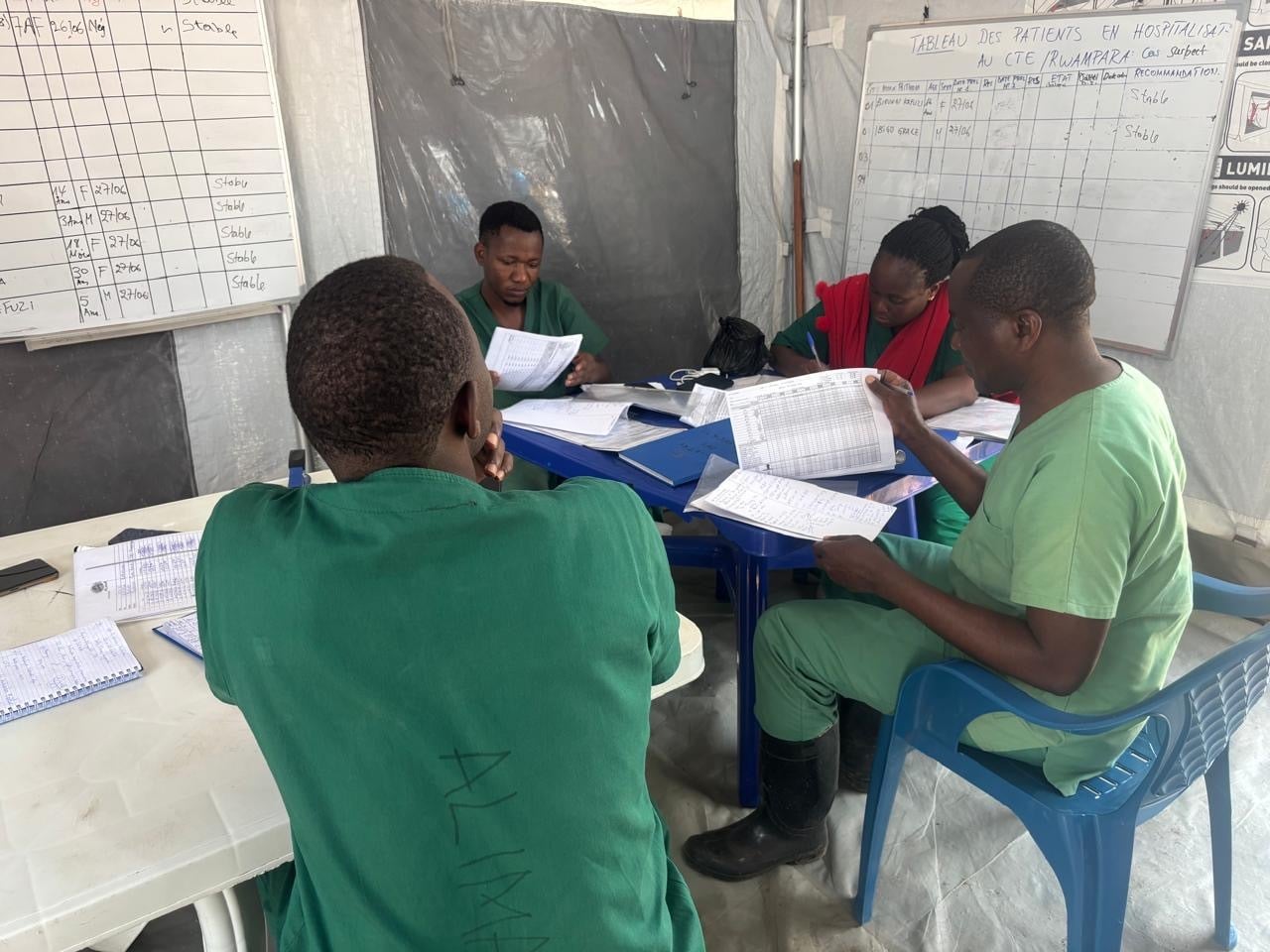

BUNIA, Democratic Republic of Congo — At least one patient dies each day at the Rwampara treatment center in Ituri province, where the Bundibugyo strain of Ebola has concentrated its worst effects since the outbreak was declared a public health emergency in May. The deaths follow a disorienting pattern. Unlike the Ebola strains more familiar to international outbreak responders, this one moves through the body quietly, said John Katabuka, head of the Bunia General Hospital’s treatment unit — suppressing obvious symptoms until the virus has reached the point where intervention no longer changes the outcome.
The World Health Organization announced Wednesday that patient enrollment has begun in the PARTNERS trial, the first randomized controlled trial ever conducted to identify effective treatments for Bundibugyo virus disease. Two antivirals are under evaluation: remdesivir, an intravenous drug originally developed for Ebola before finding wide use against COVID-19, and MBP134, a monoclonal antibody designed specifically to neutralize the Bundibugyo variant. The trial will test each treatment individually and in combination against supportive care alone.
Bundibugyo ebolavirus was first identified in Uganda in 2007. It is less lethal than the Zaire strain that drove West Africa’s 2014 to 2016 epidemic, but it carries a danger specific to this outbreak: no approved vaccine offers protection against it, and until this week no clinical trial had ever been designed to test whether any drug works against it. As of early July, the outbreak has produced more than 1,400 confirmed cases and approximately 440 deaths, according to WHO figures. The fatality rate, while below Zaire Ebola’s worst historical numbers, remains formidable for a disease that spreads through physical contact with infected people and bodies, and for which supportive care has been the only response medicine could offer.
Remdesivir’s history with Ebola is instructive about the difficulty of what the PARTNERS trial is attempting. The drug was developed in the early 2010s specifically as an Ebola candidate, but clinical trials during the 2018 to 2020 DRC outbreak showed it underperformed compared to two monoclonal antibodies that subsequently became the standard of care for Zaire Ebola. Remdesivir then became one of the first drugs authorized for COVID-19 treatment in 2020, for a disease with entirely different biology. Whether it performs differently against Bundibugyo than it did against Zaire Ebola is a question that has never had a rigorous answer. MBP134 represents a newer approach — a monoclonal antibody built to neutralize Bundibugyo specifically, with promising laboratory results that have not yet been tested in an active outbreak setting.
The trial is a collaboration between WHO, the Institut National de Recherche Biomédicale in Congo, the Institute of Tropical Medicine in Belgium, the University of Oxford, Africa CDC, ALIMA, and Médecins Sans Frontières. Patients of any age with confirmed Bundibugyo virus disease are eligible to enroll. All participants receive supportive care including fluids, electrolyte replacement, supplemental oxygen, and pain management, in addition to whichever trial arm they are assigned. The randomized design means results emerge from comparison across arms rather than from individual clinician judgment, a standard that has been difficult but not impossible to maintain in previous outbreak trials conducted under active emergency conditions.
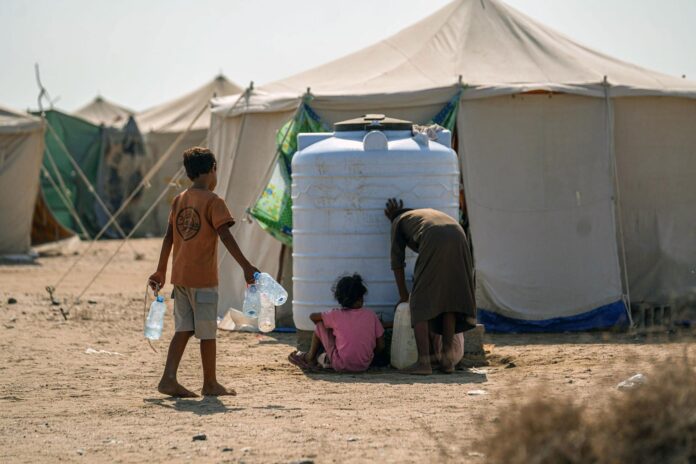
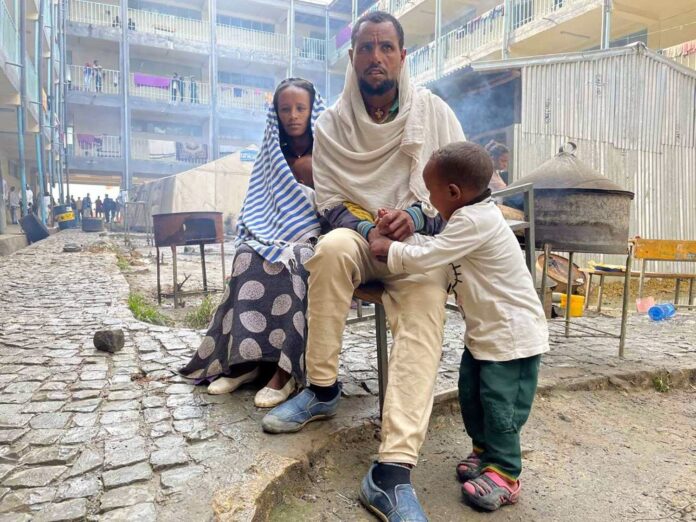
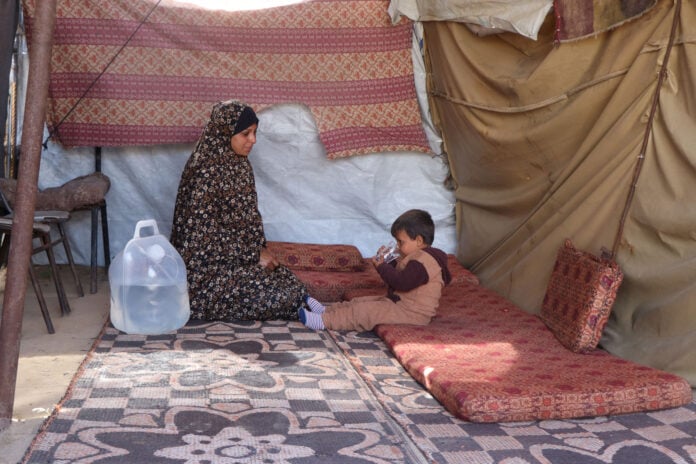
The PARTNERS trial begins in conditions that would challenge any research effort. The outbreak was declared a Public Health Emergency of International Concern by WHO in May 2026. It is centered in Ituri province, where more than 1.3 million displaced people in camps have complicated contact tracing. WHO field officials acknowledged in June that tracing was reaching only 45 percent of identified cases, well below the threshold needed to interrupt transmission. Community resistance has been a persistent obstacle. In mid-May, isolation tents at a treatment center were set on fire by relatives of a patient who had died, an episode that encapsulates the erosion of trust that has made reporting from the front lines of the response so consistently grim.
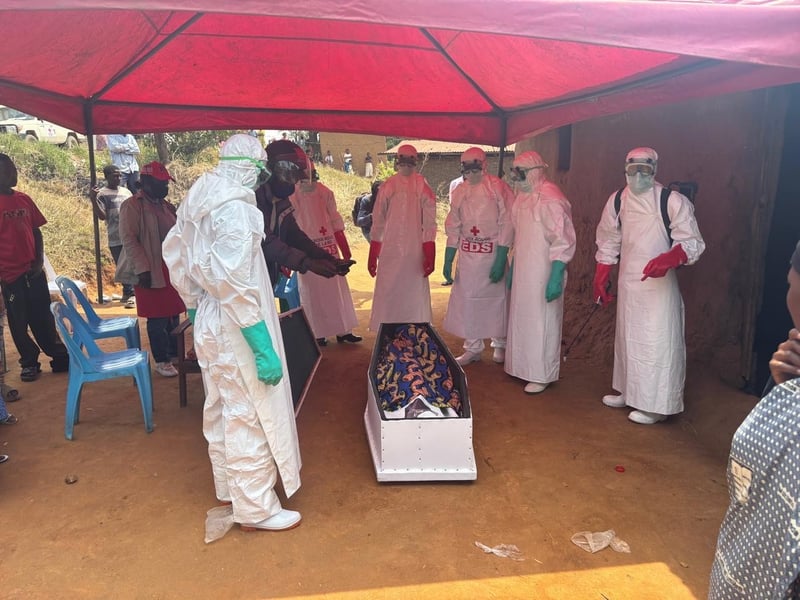
WHO Director-General Tedros Adhanom Ghebreyesus called the PARTNERS trial a source of “real hope” for communities at the center of the outbreak. Amanda Rojek, a professor at the University of Oxford coordinating the research component, offered a sharper frame. “Research needs to happen alongside the response, not after it,” she said, invoking a lesson epidemiologists drew from the 2014 to 2016 West Africa epidemic, where a treatment trial finally began only after more than 11,000 people had died and the outbreak had already begun to subside. The PARTNERS trial’s value depends on whether the outbreak lasts long enough, and whether community cooperation can be secured, to enroll enough patients to produce statistically meaningful results.
The virus has not waited for the trial’s results to expand its reach. As Eastern Herald has reported, the outbreak has spread to a fourth province in Congo, with cases confirmed in Haut-Uele, a landlocked territory bordering South Sudan and the Central African Republic. The United Nations Development Programme has warned that if containment fails and the virus crosses into Rwanda and Angola, the economic cost to sub-Saharan Africa could reach $3.6 billion in GDP loss and 328,000 jobs eliminated. The treatment trial and the geographic expansion of the virus are unfolding simultaneously, and the second is not pausing to allow the first to catch up.
The regional picture grew more complicated last week. The World Health Organization confirmed a Marburg virus case in a toddler in western Uganda, introducing a second hemorrhagic fever into a health system already stretched by Ebola. As Eastern Herald has reported, the simultaneous presence of two hemorrhagic fevers in overlapping geographic areas creates diagnostic complications in facilities without immediate laboratory access. Both diseases share early symptoms, including fever, headache, and fatigue, and distinguishing between them in a rural clinic requires rapid testing that is not always available.
How quickly the PARTNERS trial produces usable results depends on enrollment pace and whether the trial can maintain rigor under the security threats, community resistance, and logistical pressures that have defined the response so far. Approximately 960 people have survived Bundibugyo virus disease in this outbreak. Whether the trial identifies a drug that meaningfully improves those odds before the outbreak burns itself out, or before it crosses borders where conducting a trial becomes even harder, is the central question. Medicine and the virus are running the same race now, and neither has agreed to a finish line.