
KINSHASA – The virus has not been slowing. It has been spreading.
Ebola reached a fourth province in the Democratic Republic of Congo this week, moving into Haut-Uele, a landlocked territory in the country’s northeast that shares borders with both South Sudan and the Central African Republic. The Bundibugyo strain behind this outbreak, DRC’s 17th, has now confirmed 1,307 cases and 377 deaths since the government declared the emergency on May 15, with nearly 200 new infections recorded since last week’s already-alarming tallies, Al Jazeera reported.
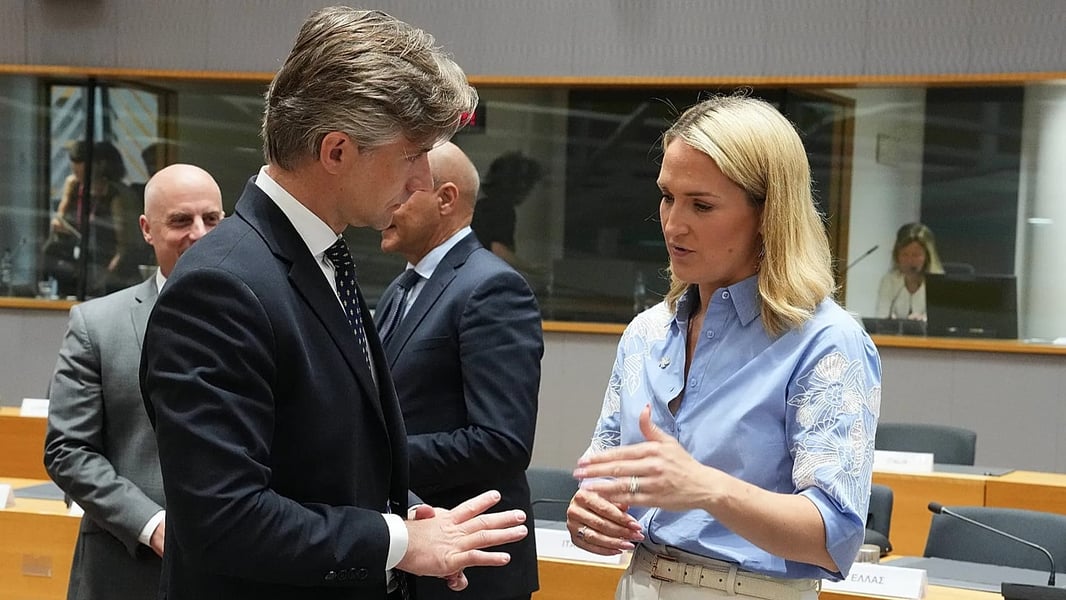
On Monday, the United Nations Development Programme released an economic impact warning that has not yet reached the level of attention it deserves. Under the best-case scenario, if the outbreak is contained to DRC and Uganda, the UNDP projects a $1 billion GDP loss across sub-Saharan Africa. Under the worst case, if the virus crosses into Rwanda and Angola while fuel costs remain elevated by the conflict in Iran, the projection reaches $3.6 billion in continental economic losses and 328,000 jobs eliminated. “If we have the resources and we step up, we can contain this outbreak and prevent further losses,” Damien Mama, the UNDP’s Resident Representative in DRC, said in a statement accompanying the report. “If we do not, this health emergency risks becoming a much deeper and prolonged development crisis.”
Those resources are not yet secured.
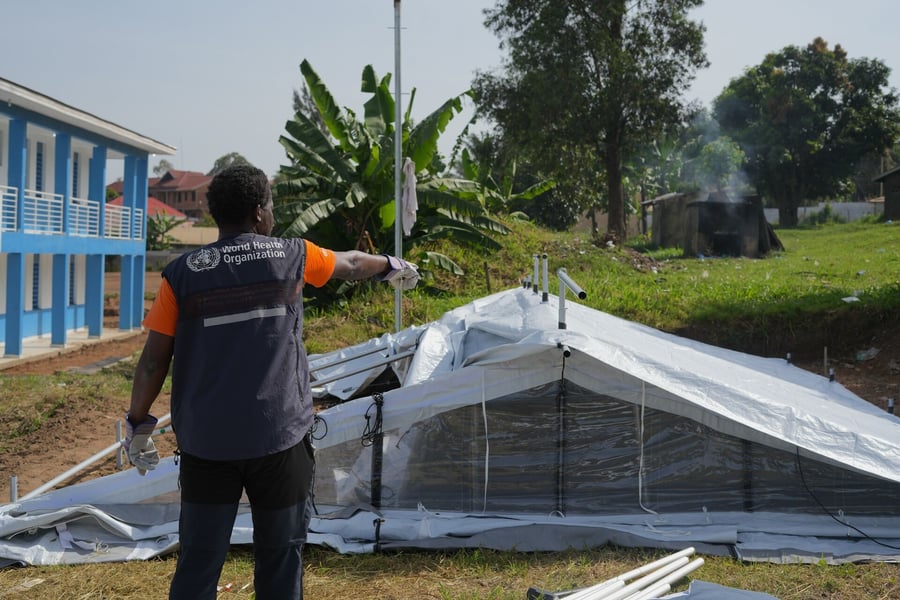
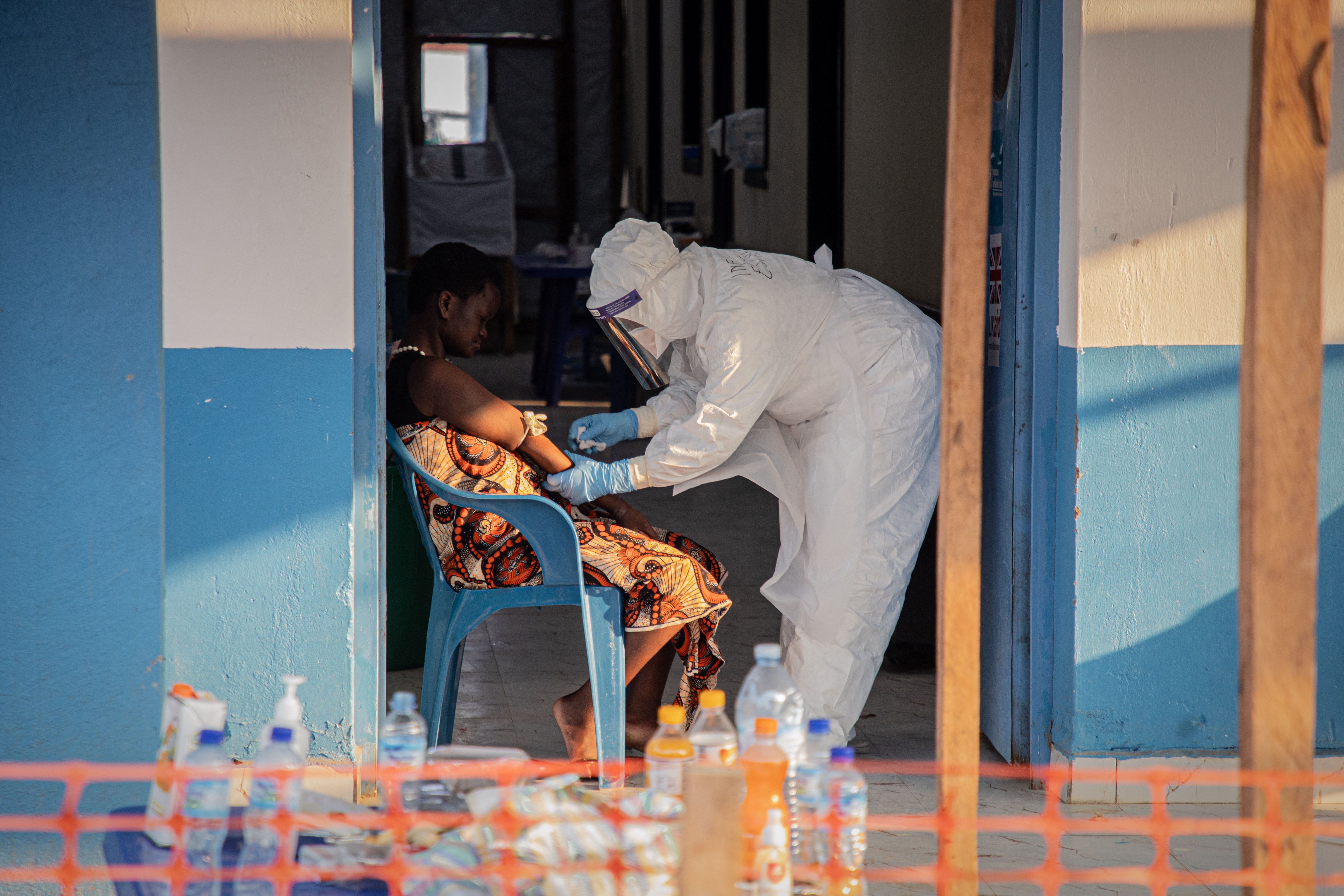
The outbreak’s expansion into Haut-Uele carries its own complications. Treatment centers in Ituri province, the outbreak’s epicenter, have already faced violence: tents burned, aid workers blocked, response teams turned back by communities whose distrust of outside health interventions is rooted in years of conflict and prior outbreak responses that felt coercive rather than collaborative. Al Jazeera correspondent Catherine Wambua-Soi, reporting from Rwampara in Ituri province, described conditions deteriorating faster than supplies can arrive. Workers on the ground need “more of everything: protective gear, medicines, rapid test kits… and body bags,” she reported.
The international response has been hampered by the same structural failures that undermined every DRC Ebola response since the 2018–2020 epidemic. Armed conflict in Ituri and North Kivu limits the movement of health teams, opens gaps in disease surveillance, and forces local populations to weigh the risk of Ebola against the risk of insecurity. The World Health Organization’s own field director acknowledged in June that contact tracing was reaching only 45 percent of identified cases, against the 90-plus percent coverage needed to interrupt transmission. Current case counts suggest that gap has not closed. The June spread of Ebola to a French doctor returning from Ituri demonstrated what follows when contact tracing falls behind an active virus in a mobile population.
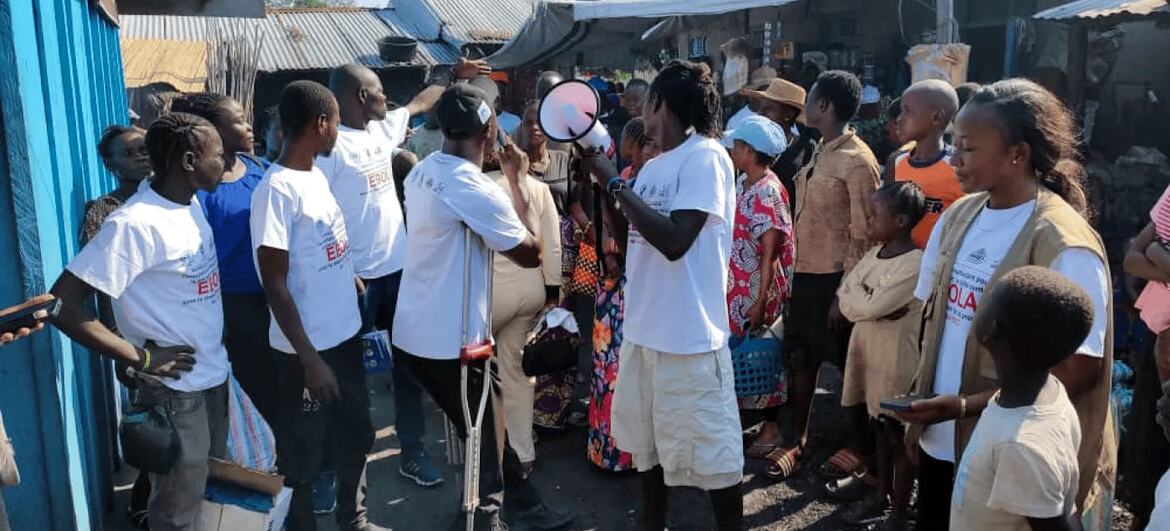
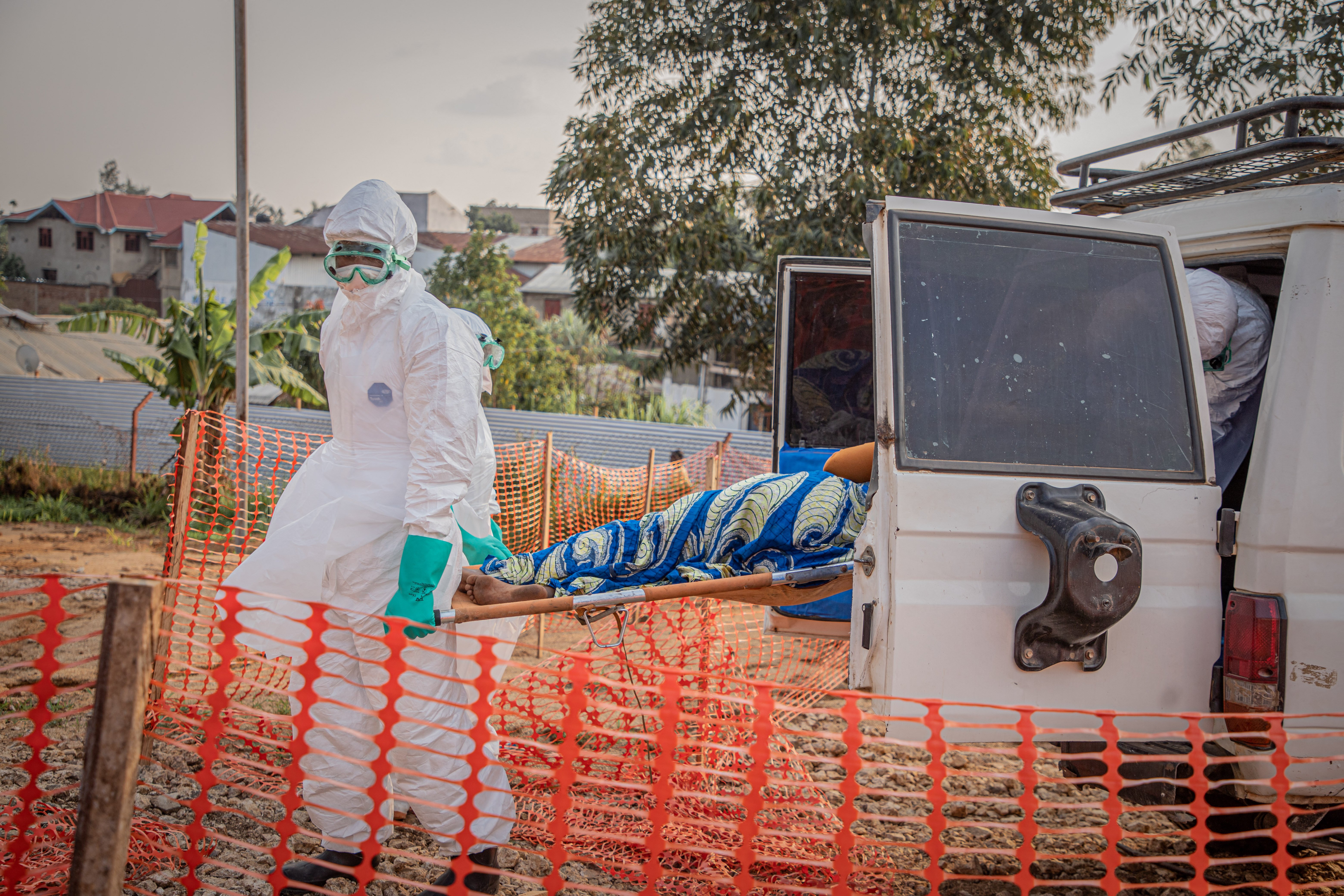
Bundibugyo ebolavirus, which drives this crisis, has no tested vaccine and no approved treatment, a distinction that matters because the vaccines developed against the better-known Zaire strain offer no protection against this variant. The virus spreads most reliably at funerals, where the practice of washing and preparing a body brings families into direct contact with infectious remains. That cultural expression of care has become, in this outbreak, the most consistent route by which the virus moves from one household to the next. Changing that pattern requires more than health messaging; it requires sustained trust between communities and responders, precisely the resource that violence against treatment centers has eroded.
The DRC government issued a ban on public gatherings on June 29, according to Al Jazeera, covering four provinces including Kinshasa, the capital more than 1,000 miles from Ituri’s active zones. Opposition figures have framed the timing as political, arriving a week before scheduled July 8 protests. The government calls it a public health precaution. Both interpretations may contain truth, and the controversy illustrates a difficulty the response has not overcome: containment measures delivered through a channel of political mistrust rarely perform at their theoretical best.
Uganda’s exposure remains a live concern. Smaller case counts have been reported there, and the situation grew more complicated last week when the World Health Organization confirmed a Marburg virus case in a toddler in western Uganda, introducing a second hemorrhagic fever into a health system already stretched by Ebola, as The Eastern Herald reported. The simultaneous presence of two pathogens with nearly identical symptoms complicates clinical diagnosis in hospitals and clinics operating without laboratory access.
The UNDP’s Mama framed the choice plainly: step up now with resources, or absorb a prolonged development crisis. Past Ebola responses, including in DRC’s own previous outbreaks, have typically arrived late and receded slowly. How this one ends depends on decisions now being made in donor capitals far from Ituri’s burned treatment tents, and whether those decisions arrive before the virus reaches its next frontier.
Related Posts