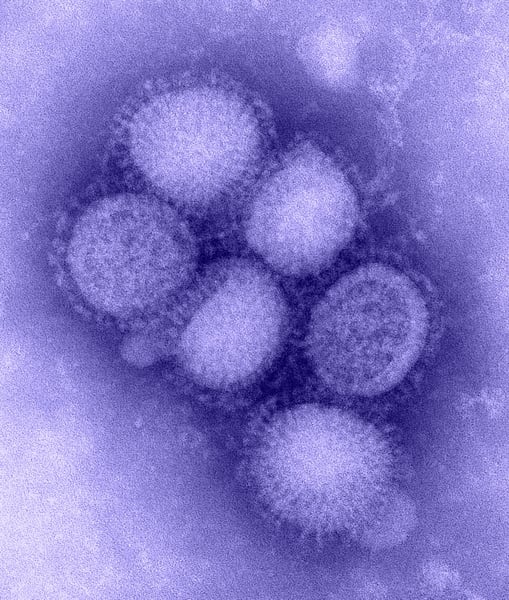

NAIROBI — The child was a year and a half old, living in Kyegegwa district in western Uganda, and by the time laboratory results confirmed what had killed her, she was already gone. Health officials in Kampala and Geneva now say the pathogen was Marburg virus, a hemorrhagic fever with no licensed vaccine and no approved treatment, arriving in a country that is already exhausted from weeks of fighting a different, and larger, outbreak of Ebola.
The finding, reported to the World Health Organization on June 30, is not a new epidemic on paper. It is one confirmed case, no known onward transmission, and a government in Kampala that, as of Wednesday, would not confirm it is happening at all. But it lands in the middle of an Ebola crisis the WHO has already labeled a public health emergency of international concern, in a health system already stretched by 20 confirmed Bundibugyo virus cases and two deaths of its own. Two hemorrhagic fevers, nearly identical symptoms, one overstretched surveillance network.
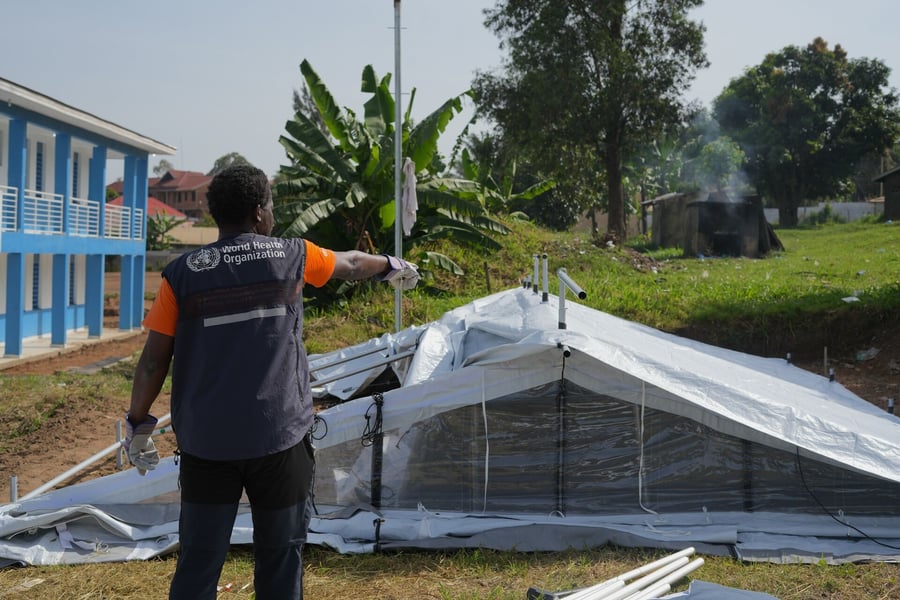
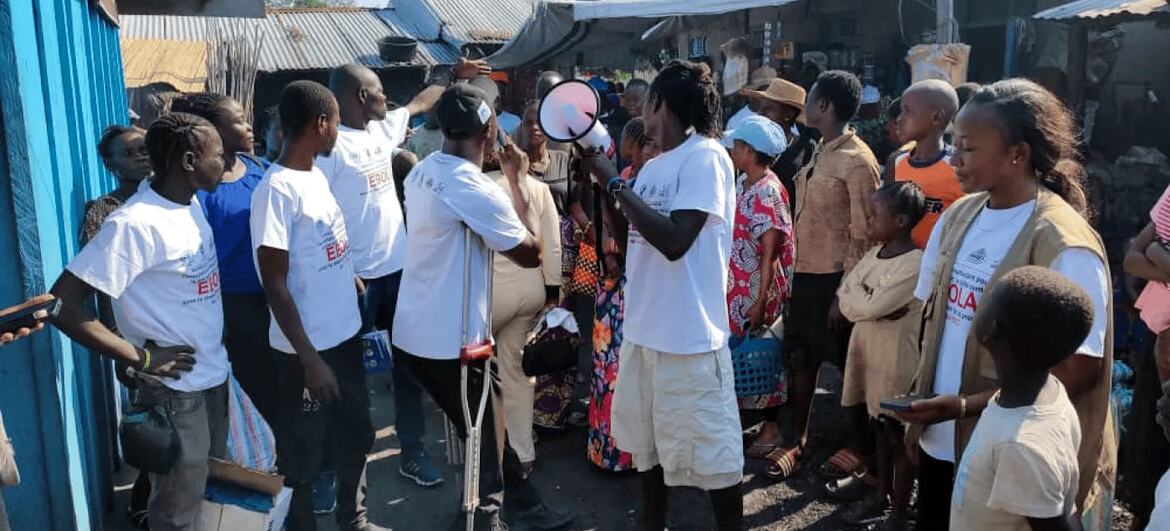
Africa CDC said Wednesday it was engaging Uganda’s government “through official public health channels on reports concerning Marburg virus disease,” spokesperson Saran Koly said, according to Arab News, which cited Reuters reporting from Nairobi. A World Health Organization spokesperson said the agency had requested further information and was already supporting the ground response, including case investigation, active case finding, contact tracing and community engagement, the kind of work that in Ebola’s Ituri epicenter has struggled for weeks to keep pace with the virus.
Uganda’s own health ministry, asked directly, gave a different answer. A ministry spokesperson said he was “not aware of a Marburg outbreak,” a flat denial delivered the same day Africa CDC and the WHO were describing an active, if contained, situation. Neither side has explained the gap. It is possible both statements are technically true, since one confirmed case with no spread beyond it is not what most epidemiologists would call an outbreak. It is also possible that a government already absorbing criticism over its handling of Ebola has little appetite to announce a second hemorrhagic fever before it has to.
Marburg virus disease kills, historically, anywhere from roughly a quarter to nine in every ten people it infects, according to the World Health Organization, a range wide enough that public health officials are cautious about applying any single figure to an active case. It spreads from Rousettus fruit bats to humans and then person to person through contact with blood and other bodily fluids, the same route as Ebola, which is why clinics without a laboratory so often mistake one virus for the other. Uganda has recorded Marburg four times since 1980; the last confirmed outbreak was in 2017, when it killed three people in the country’s east.
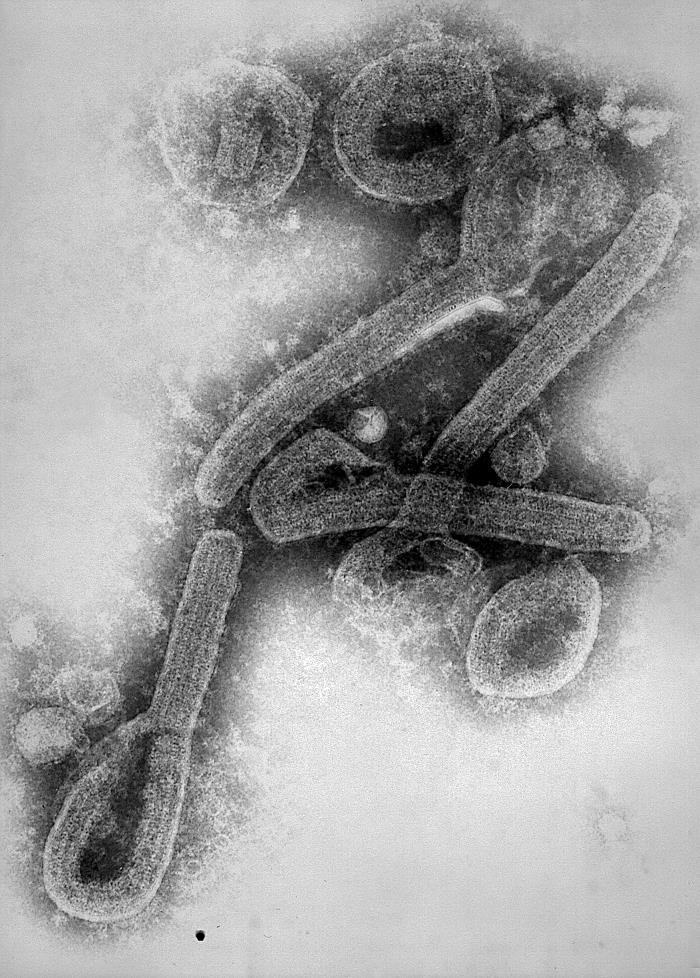
The overlap is not only symptomatic. The U.S. Centers for Disease Control and Prevention’s health alert on the Ebola outbreak already instructs American clinicians to screen patients with fever and a travel history to the region within the prior three weeks, and to treat viral hemorrhagic fever, not any single pathogen, as the working diagnosis until testing says otherwise. That guidance, written for Bundibugyo ebolavirus, would apply just as well to a patient carrying Marburg. Doctors in rural Uganda without CDC-grade laboratories have even less room to tell the two apart in the meantime.
Uganda’s government has reacted to hemorrhagic fever news before with the same instinct: control the message rather than amplify it. In late May, it sealed its border with Congo entirely after Ebola crossed over, a decision Tedros Adhanom Ghebreyesus, the WHO’s director general, later stood inside a Kampala isolation ward and asked Uganda’s government to reconsider, calling the closure ineffective against a virus that carries no passport. The same instinct, arguably, is now shaping the government’s answer on Marburg.
The stakes of getting ahead of either virus have already been demonstrated elsewhere. A doctor who had been treating patients in Congo’s Ituri Province tested positive for Ebola after returning home on a commercial flight in June, becoming the European Union’s first case from an outbreak that has already surpassed 1,000 confirmed infections and is now the second largest in the disease’s recorded history. A Lancet modeling study published the same week put South Sudan’s odds of an imported Ebola case within three months at nearly seven in ten, the highest of any country bordering the outbreak zone. Nothing about Marburg suggests it would behave differently once contact tracing falls behind.
What is not yet known is whether Kyegegwa’s case is a dead end, a single spillover from a bat roost that infected one child and stopped there, or the leading edge of something that will take weeks to show itself, the way Ebola’s real scale in Congo’s conflict zones took weeks to surface behind a wall of insecurity and undercounting. Uganda’s health ministry says there is nothing to see. The World Health Organization is not so sure, and it is still waiting for Kampala to say more.
Related Posts