
TEHRAN – Mohammad Bagher Ghalibaf, the speaker of Iran’s parliament and one of its senior negotiators, specified on July 2 what IAEA access actually looks like from Tehran’s side. “Currently, inspectors only have access to two locations: Bushehr power plant and Tehran reactor,” he said on Iranian state television. Fordow, Natanz, and Isfahan – the three facilities bombed by the United States and Israel in February – are off limits under any circumstances. “We ourselves passed a law in parliament, the Supreme National Security Council passed it too,” Ghalibaf added. “We made it law that under no circumstances do we allow access to sites that have been bombarded and damaged.”
That statement was made on the same day Donald Trump told reporters in Washington that “the denuclearization of Iran is moving along well.” The two statements describe the same situation. They are not compatible.
What Ghalibaf described is not a negotiating position. It is a statute. Iran’s parliament passed the law suspending IAEA cooperation by a 221-0 vote after the February 28 strikes. President Masoud Pezeshkian signed it. The Supreme National Security Council formalized it as a decision of the state, instructing the Atomic Energy Organization of Iran, the SNSC, and the Ministry of Foreign Affairs to implement the ban. The International Atomic Energy Agency, under Director General Rafael Grossi, has stated it needs “a very strong verification system in place as soon as is practicable” to confirm Iran’s nuclear claims. Iran’s 440 kilograms of 60-percent-enriched uranium are believed to be at Isfahan, one of the three sites now formally barred.
The practical consequence of the Ghalibaf formula is that the verification architecture Washington and European capitals say is necessary for sanctions relief cannot be built. The US and Europe have been explicit: IAEA access to the bombed sites is a prerequisite, not a reward. Without it, the assurances Iran offers – that its nuclear program is peaceful, that the 440 kilograms are accounted for – cannot be independently verified. The law Ghalibaf described makes that verification illegal under Iranian statute.
JD Vance, speaking after the Doha round concluded, said nuclear discussions “would start soon.” The nuclear file was not on the formal Doha agenda and was deferred – the two rounds of talks were designated for the Hormuz question and the frozen assets. The reason the nuclear file was deferred is the same reason it cannot easily be put on an agenda: Iran’s legal position forecloses the outcome Washington would need before agreeing to lift sanctions, and putting the question directly would force a confrontation neither side wants to have before the MoU framework is more settled.
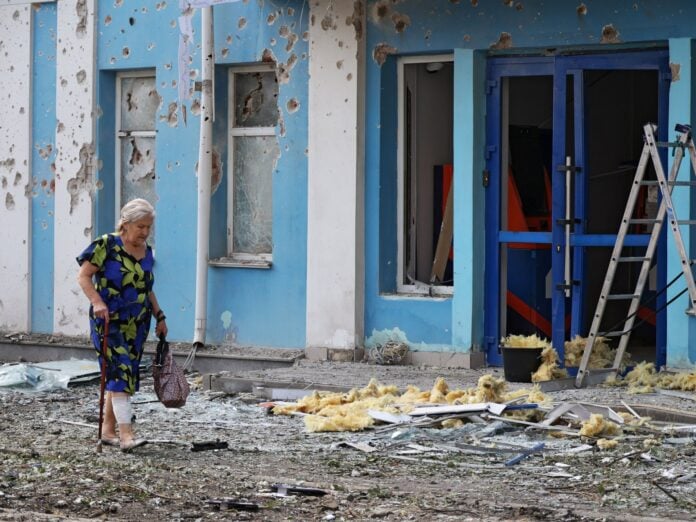
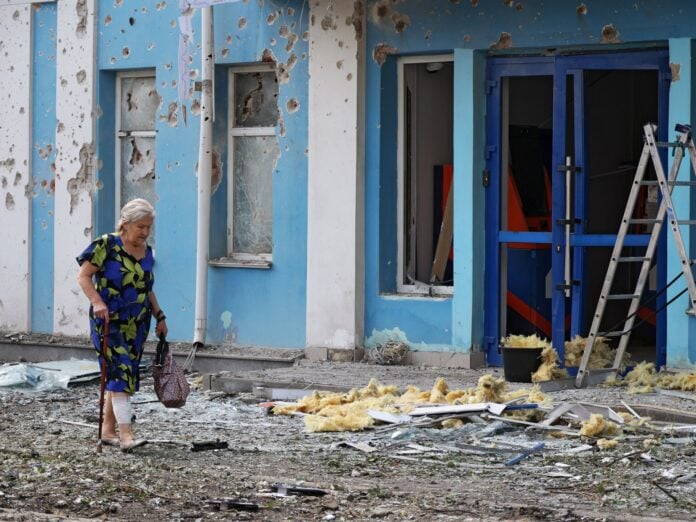
Iran’s rationale for the ban is specific. The three facilities – Fordow, Natanz, Isfahan – were struck in the February 28 campaign. Tehran argues the IAEA provided targeting information to Israel and the United States, or at minimum that its inspection record created the intelligence basis for the strikes. The IAEA denies this. The Iranian parliamentary vote to suspend cooperation came within days of the strikes, at a moment of acute national fury, and passed without a single opposing vote. Reversing it requires the same institutions – parliament, SNSC, presidency – that enacted it to agree on a new arrangement under conditions Iran describes as having involved a betrayal by the agency itself.
Iran is simultaneously constructing a new facility. CBS News reported this week that construction is continuing at Pickaxe Mountain, a nuclear site south of Natanz, apparently being built at depth sufficient to withstand the bunker-busting munitions used in February. The detail has not been publicly addressed by either Doha delegation. It did not appear in the Qatar readout. An Iranian government negotiating a deal that limits enrichment has no obvious reason to be building a hardened underground facility – unless the deal it has in mind is narrower than the one Washington is describing.
Trump’s characterization of “denuclearization moving along well” does not correspond to anything in the public record that would make it true. The nuclear talks have not begun. The site access that verification requires is legally barred. The Supreme Leader who endorsed the MoU did so against his stated personal position and has not indicated any change of stance on nuclear access. The enriched uranium stockpile that would need to be disposed of is at a site inspectors cannot visit.
The gap between “moving along well” and the state of the nuclear file as Ghalibaf described it is not a matter of different framings of the same facts. It is a specific evidentiary question: is there a verifiable path to Iran’s nuclear program being subject to the kind of inspection Washington says it needs, before August 21? Ghalibaf named the law, the parliament, and the SNSC decision. He named two accessible sites and three inaccessible ones. The accessible sites are a power reactor and a research reactor – neither of which produced the 60-percent enriched uranium that has made Iran’s nuclear program the central issue in these negotiations.