

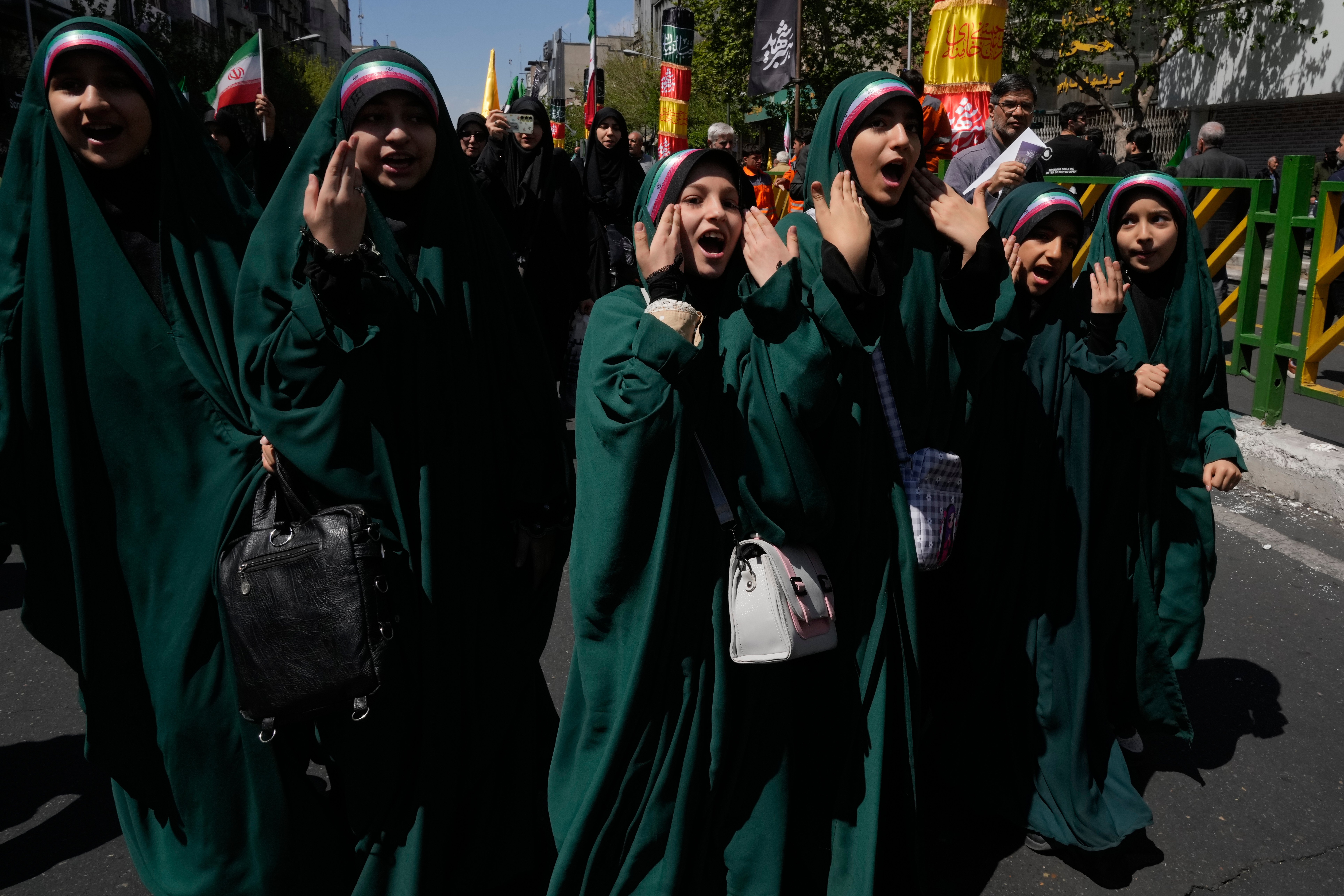

TEHRAN – The Supreme Leader of the Islamic Republic of Iran endorsed the memorandum of understanding with the United States by his own account as a concession to his president, not as an expression of his own judgment. “I, as a matter of principle, held a different view,” Mojtaba Khamenei stated in a letter released on June 18, “however, out of the commitment that the esteemed president gave to me, I granted my permission.” He specified that permission was conditional on assurances that Iranian rights would be protected, and that in-person negotiations “will not mean acceptance of the enemy’s position.”
What that statement describes, stripped of its diplomatic register, is a supreme leader who was opposed to a deal his president had already committed to, who required a procedural mechanism – three-quarters of the Supreme National Security Council – before granting his sanction, and who framed the American president’s role as desperation rather than agreement: “it was the American president who, out of desperation, used all kinds of leverage to bring this about.” The MoU is in force. It is not the result of Iranian elite consensus.
The Assembly of Experts made that clearer on June 29. Sixty-three of 88 members signed a statement urging Iran’s negotiating team to hold firm to “red lines set by Khamenei” – meaning Ali Khamenei, the assassinated former Supreme Leader whose funeral processions are now consuming the week that diplomats would otherwise be using. The statement was unusual enough that the Assembly’s own secretariat subsequently disavowed it as “unconventional,” but the count remains: 71 percent of Iran’s body of senior clerics formally demanded that negotiators not give ground on the terms their new leader had already conditionally allowed his government to negotiate.
On June 30, Iranian state broadcaster IRIB cut an interview with parliament speaker Mohammad Bagher Ghalibaf while he was mid-answer on the subject of asset unfreezing. The cut was abrupt. No explanation was given. Ghalibaf is one of Iran’s senior political negotiators and has publicly stated that the IAEA will receive “no access beyond what has been authorized by the Supreme National Security Council.” The nuclear inspection file was deferred at Doha – in part because the position Ghalibaf describes on camera is not reconcilable with what Washington says it needs.
These three events – a supreme leader’s conditional endorsement against his own view, a clerical assembly’s red-line demand, and a state broadcaster cutting its own senior official – are not aberrations. They describe the internal architecture of a government navigating a deal its most powerful institutions have not accepted on its own terms. Mojtaba Khamenei, now 56 and in his fourth month as supreme leader, is still developing the authority his father wielded for 32 years. The RFE/RL analysis describes the situation plainly: the MoU has become “deeply contested inside Iran’s own establishment.”
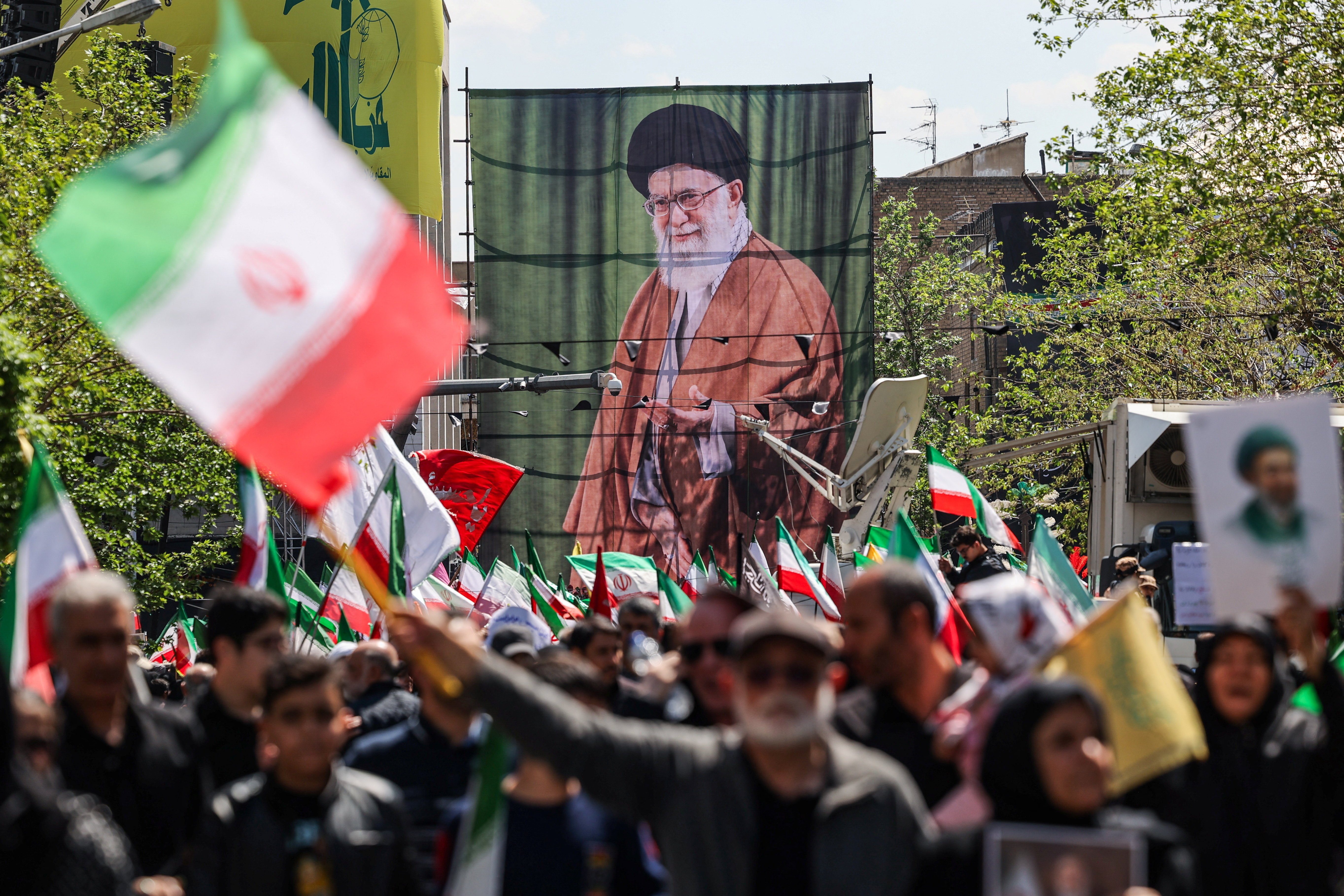
What this matters for the Doha process is structural. The technical team that sat across from American negotiators on July 1 and 2 was led by Deputy Foreign Minister Kazem Gharibabadi. Foreign Minister Abbas Araghchi was not there. Ghalibaf was not there. The Khatam al-Anbiya joint military command, which issued its forceful-response warning to tankers on the same day the Doha round concluded, was not at the table. The institutions whose cooperation a final deal would require are operating on a parallel track that does not run through Doha.
Mojtaba Khamenei’s language on Trump is worth parsing further. Describing the American president as having acted “out of desperation” using “all kinds of leverage” is not how a leader describes an agreement he endorses. It is how he explains to a domestic audience why he permitted something he would not have permitted under different conditions. The framing is entirely defensive – Trump needed this, Iran yielded because Pezeshkian asked, and Iran will not accept “the enemy’s position” in future talks. Each of those sentences is a commitment to an Iranian domestic audience that constrains what Gharibabadi’s team can agree to in Qatar.
Iran’s 440 kilograms of 60-percent-enriched uranium remain at an undisclosed location, likely Isfahan, inaccessible to the IAEA, with no agreement in principle on what disposition would look like. The nuclear file has been deferred past the Khamenei funeral, past the scheduling of the next round, into a window that now has fewer than 40 days. The next interlocutor who will need to authorize any nuclear concession is the same man who said he was against this deal in the first place – and who authorized it only because his president asked and three-quarters of the security council agreed.
The hardline faction’s argument – that Iran conceded too much, that the military gains from four months of war are being bargained away – is not without institutional backing. Parliament is writing Hormuz control into statute on a schedule that does not require the MoU to hold. The IRGC continues to enforce route authority in the strait independent of the technical team’s Doha conversations. Mojtaba Khamenei’s “two-track approach” – authorizing talks while keeping hardliners anchored in the system – is the description one analyst offered. The more uncomfortable reading is simpler: the deal needs a consensus that does not exist, and the 60-day window is the period in which everyone has agreed to pretend otherwise.













