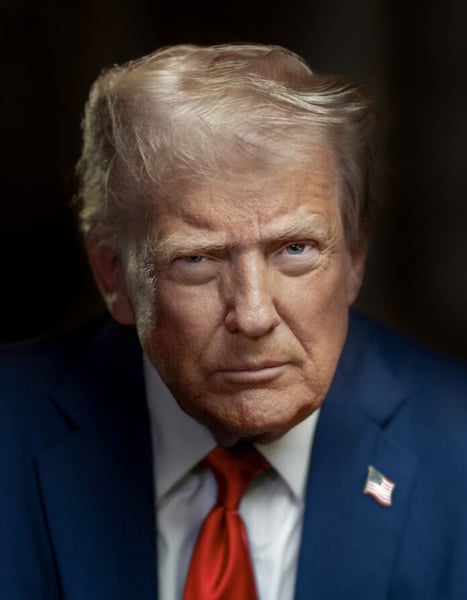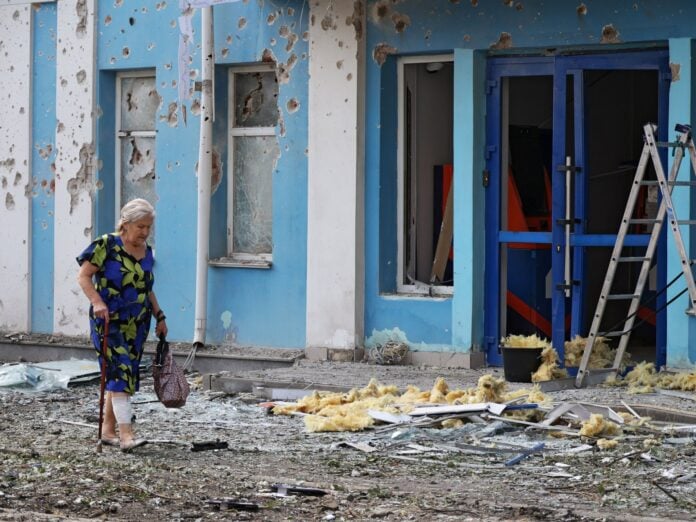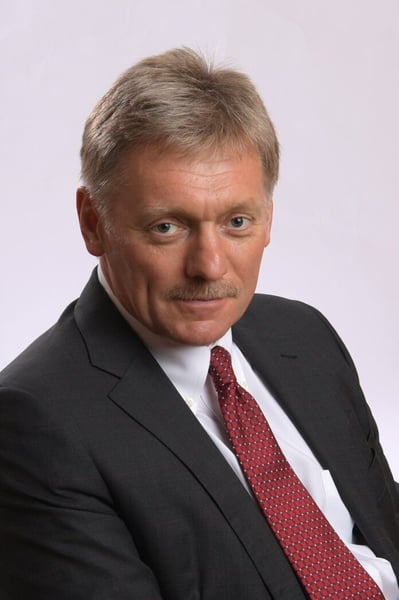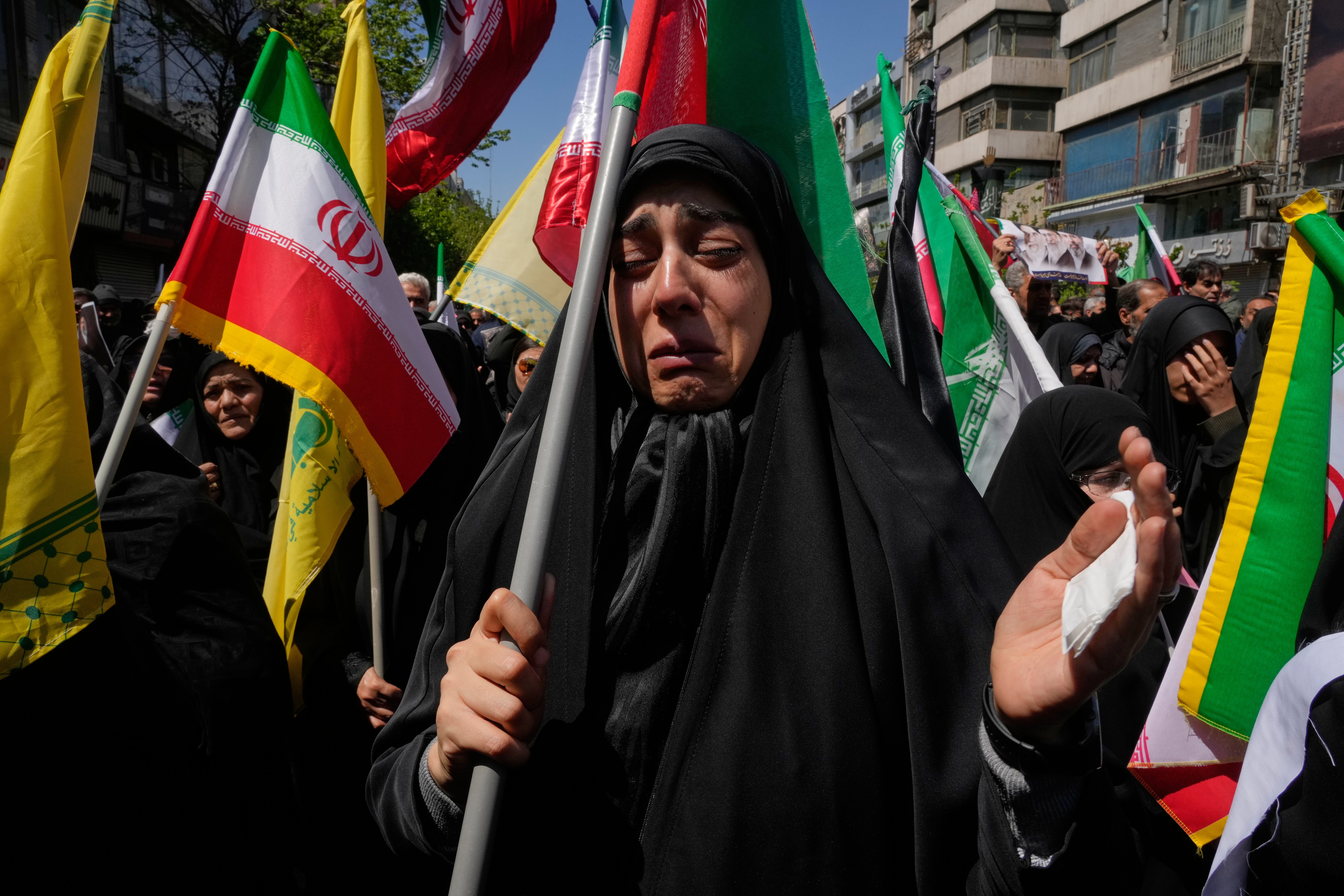

TEHRAN – Mojtaba Khamenei’s wife died in the same airstrike that killed his father on February 28. He was injured. He has not been seen in public since – not at a state function, not on Iranian television, not at the Friday prayer ceremonies he was photographed leading before the war. Only written statements have been issued in his name. On July 9, Iran will bury his father at the Imam Reza shrine in Mashhad.
Whether Mojtaba stands at that graveside is a decision his government cannot make safely in either direction. Appear, and he presents a confirmed location, in real time, to any intelligence operation still running against Iran’s leadership. Israeli Defense Minister Israel Katz stated in March that whoever leads Iran is “marked for death, no matter his name or where he hides.” Don’t appear, and the absence becomes the story – confirmation that the new Supreme Leader’s whereabouts and physical condition remain uncertain four months into his rule.
Ali Abdollahi, the Khatam al-Anbiya Central Headquarters commander, issued a warning on July 2 against any U.S. or Israeli “miscalculation” during the funeral period, promising “harsh retaliation” by Iran’s armed forces for any attack. JD Vance, speaking after the Doha talks concluded last week, said the United States “can’t commit to anything, because, obviously, it depends on what the Iranians are ultimately going to do.” The six-day ceremony begins on July 4 with those two positions publicly on the record.
The schedule runs Tehran July 4 through July 6, Qom on July 7, Najaf and Karbala in Iraq on July 8, and burial at the Imam Reza shrine on July 9. Authorities project 20 million mourners across the multi-city route. Khatam al-Anbiya has imposed temporary airspace restrictions over Tehran and Mashhad. Iran’s entire senior leadership is expected at some point across the six days. That concentration is precisely the security problem the regime spent four months trying to resolve before choosing to proceed.
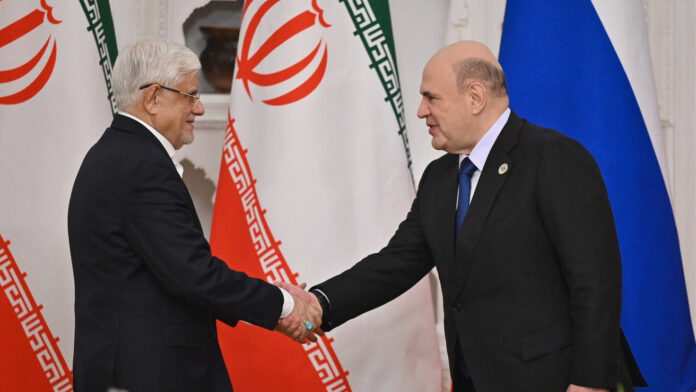
The diplomatic attendance map of the funeral is a live index of which relationships survived the war. Russia is sending Dmitry Medvedev, the former president and now deputy chairman of the Security Council, as Vladimir Putin’s special envoy. China is represented by He Wei, vice chairman of the Standing Committee of the National People’s Congress – the first senior Chinese official to travel to Iran since the conflict began. Pakistan’s Prime Minister Shahbaz Sharif is attending in person. India is sending its Deputy Foreign Minister and a Bihar state governor. European nations have been explicitly barred. The geometry of who appears, and at what level of representation, is as informative as anything these governments have said publicly about the war or its diplomatic aftermath.
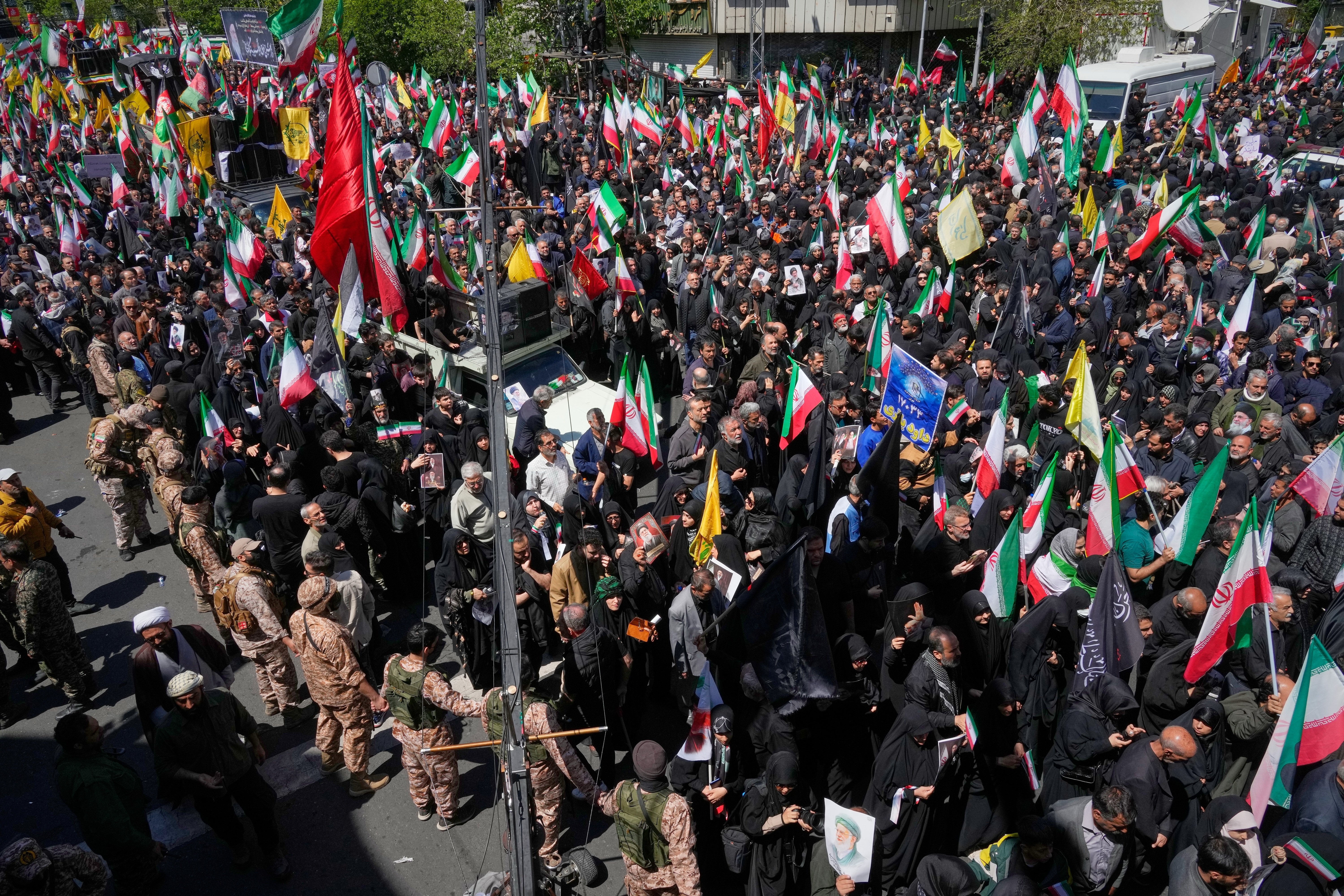
Inside Iran, the ceremony is not producing the voluntary turnout its projected scale requires. Schools received orders weeks in advance to prepare for out-of-province visitors. State employees have had leave suspended. Free bus transport with meals is being organized from rural areas. One school principal told Iran International that her school “lacks basic facilities, yet we have been ordered to prepare for guests.” Authorities have been releasing crowd projections rather than independent attendance figures. The official framing of the funeral as “the most important event of the 21st century” coexists with the logistics of a state that cannot rely on its population to arrive on its own.
The four-month delay between Khamenei’s death on February 28 and his burial on July 9 was partly security and partly chosen framing. Islamic law requires burial within 24 hours but permits exceptions in wartime. The interval gave the government time to reframe what happened: Khamenei died, a ceasefire was reached, his son assumed the Supreme Leadership, and the mourning procession becomes the war’s closing ceremony rather than its humiliating consequence. The burial at Mashhad ties the ceremony to a location that carries its own political weight. The Imam Reza shrine is Iran’s holiest site. The Astan Quds Razavi foundation that controls it holds economic interests that run through state institutions including the IRGC. The choice of burial site is not incidental.
The Muharram religious calendar amplifies the symbolism. The six days of ceremony fall within the Shia mourning month, with the July 9 burial timed to the eve of another Imam’s martyrdom anniversary. The regime is layering Khamenei’s death into a sequence of Shia historical sacrifice that frames it as neither an accident nor a defeat. That framing is what the ceremony is designed to produce, regardless of whether the crowd sizes confirm it.
The next round of Doha talks cannot begin before July 9. That makes the effective negotiating window 38 days before the MoU’s August 21 expiration – less travel, scheduling, and preparation time. The six-day funeral, with its public concentrations of leadership and its commander’s formal warning to Washington, is Iran’s calculation that the ceasefire framework is durable enough to hold through a period of maximum institutional exposure. The internal divisions over the MoU that surfaced before Doha – the Assembly of Experts’ demands, the IRIB censorship of Ghalibaf, Mojtaba’s own June letter describing the deal as something he opposed in principle – are all under the same silence directive Iran’s state media has issued for the mourning period. They will not be resolved by the pause.
Past Iranian state funerals provide the caution. At Ayatollah Khomeini’s burial in 1989, the crush of mourners killed people in the crowd and the coffin had to be lifted out by helicopter before the ceremony could complete. The scale being prepared for Khamenei exceeds it. The memory is a planning constraint, not a historical footnote.
What the six days cannot answer is the question they make most urgent. Iran’s hardest positions – on IAEA access to the bombed sites, on the Hormuz toll, on what denuclearization means – remain intact on the other side of the ceremony. Mojtaba Khamenei has governed by written statement since February. After July 9, when the diplomats resume and the next Doha session must address the uranium stockpile and the nuclear inspection file, the question of who is making decisions – and in what condition – will not be one the funeral resolved.