
TEHRAN – Qatar’s foreign ministry confirmed Wednesday that US-Iran nuclear talks will pause for the Khamenei state funeral and resume once the mourning period ends after July 9. The pause is five days. The window for a permanent deal is 45 days. The arithmetic is not comfortable.
The Islamabad MoU signed June 17 gave both governments 60 days to convert a battlefield ceasefire into the framework of a lasting agreement. Seventeen of those days have already elapsed. The Doha session that concluded this week produced a communications hotline between Washington and Tehran and partial release of $3 billion in frozen Iranian assets, but left the most consequential disputes – Hormuz navigation rights, IAEA access to bombed nuclear sites, and the Lebanon question – unresolved. Qatar’s foreign ministry, which co-mediated the talks, called the outcome “positive progress.” Neither government has defined what remains.
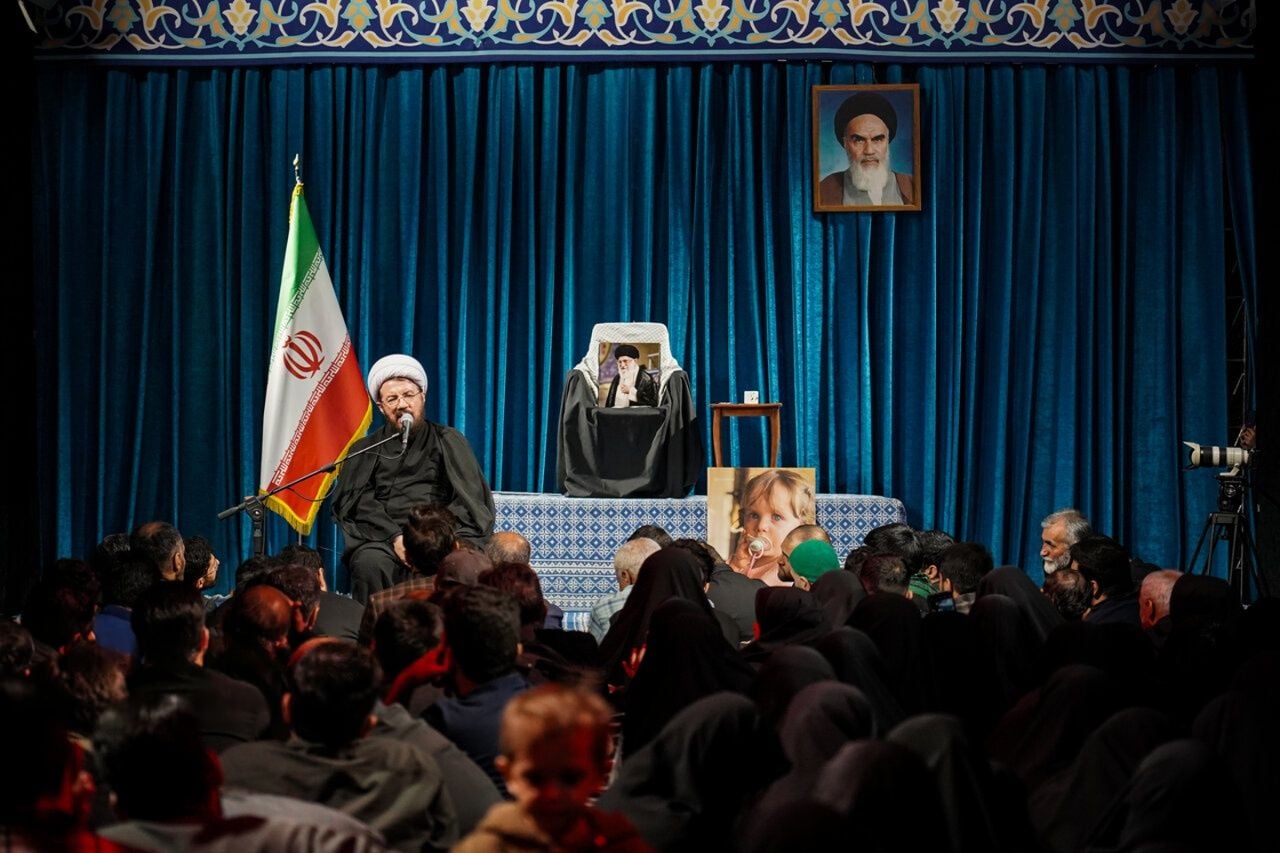
The funeral complicates more than the calendar. Iran International reported Wednesday that a security directive has instructed Iranian state media to minimize coverage of US talks and avoid spotlighting internal political disputes during the mourning period. The instruction is consistent with a pattern the Islamic Republic has maintained through every major national emergency: suppress internal fissures, project unity. What it means in practice is that Iran’s negotiating position will be harder to read from outside for the next week, and that any Iranian public statement during the funeral will carry less interpretive weight than usual.
The main procession is scheduled for July 6 in Tehran, with between 15 and 20 million mourners expected. Tehran airspace is closed for the duration. Parliament Speaker Mohammad Bagher Ghalibaf, who served as Iran’s lead negotiator in Doha, had a pre-recorded interview cut short by state broadcaster IRIB on Wednesday. Parliamentarians protested the cut as censorship. What Ghalibaf said, and what was removed, has not been disclosed.
For Trump, the funeral calendar creates its own awkward geometry. July 4 is America’s 250th anniversary, a date the White House has been staging commemorations around for months. An Iran deal announced on that date would have been politically resonant. But Iran’s national mourning begins on July 4, and a triumphant announcement on a day Tehran is observing state grief for a Supreme Leader killed in US-Israeli airstrikes was never a realistic prospect regardless of where the talks stood.
Trump described the current US-Iran relationship as “getting along very well.” VP JD Vance, departing Doha, told reporters he would not rule out a return to war but said it would only happen if it came to that. Both characterisations are true simultaneously: the talks are producing incremental results, and neither government has closed the option of resuming hostilities if the incremental results stop.
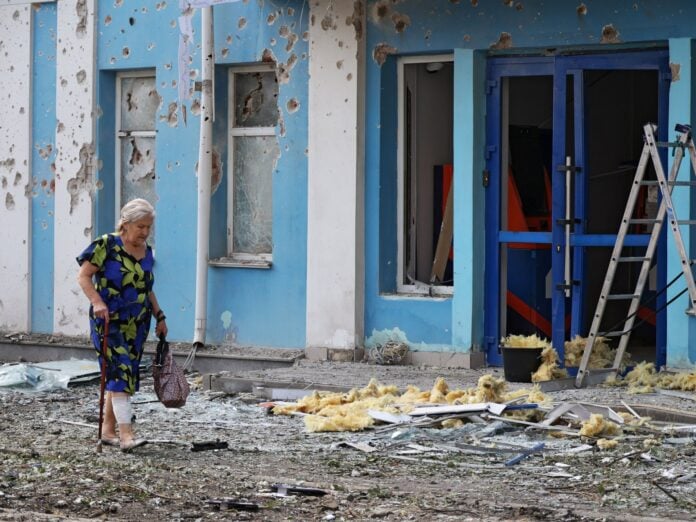
The unresolved questions are not small. Iran’s chief negotiator has said the nuclear sites hit by US and Israeli strikes in February remain off-limits to IAEA inspectors – a position the US has not accepted. The Strait of Hormuz toll question was the explicit focus of US pressure in Doha, and no agreement was reached. Israel’s declared intention to remain in southern Lebanon contradicts the MoU’s all-fronts ceasefire clause, and Iran has already closed Hormuz once this month in response to Israeli activity in Lebanon.
What the Doha session added to the negotiating architecture is real but bounded. A communications channel that Iran describes as a violation-reporting mechanism is not a deconfliction line. Three billion dollars in unfrozen assets is a concession with contested meaning – Iran says the funds will purchase necessary goods; earlier US framing suggested the purchases would benefit American manufacturers. The two sides are building the same bridge from different ends, and the middle has not been located yet.
The next formal session is expected after July 9. That leaves roughly 35 days before the MoU expires in mid-August, with the Hormuz, IAEA, and Lebanon questions still on the table. None of them requires only two parties to resolve. The IAEA question involves the UN agency’s inspections mandate. The Lebanon question involves a government Israel has publicly said it will not comply with. The Hormuz question involves Oman, which the US has already threatened with sanctions for its joint navigation framework with Tehran.
Ghalibaf, once the state broadcaster stops cutting his interviews, will be among the first public signals of where Iran’s negotiating room actually lies after the funeral. His Doha performance – and what IRIB decided to remove from it – may be the most informative data point of the week Iran spends in silence.