
HAWTHORNE, Calif. — Ask Elon Musk whether SpaceX is building a phone and the answer arrives in almost identical language every time. In February, after Reuters reported the rocket company was exploring a Starlink-branded handset, Musk wrote on X: “We are not developing a phone.” On Wednesday, after The Wall Street Journal reported SpaceX had shown investors a prototype handheld device running its own operating system, Musk’s reply was even shorter: “Utterly false.”
The two denials describe two things similar enough that they cannot both be the whole picture. The Journal’s report, which SpaceX has not disputed in any specific detail, says the company demonstrated a device to investors and stakeholders ahead of its record-setting initial public offering in June: a prototype described as sleeker and thinner than an iPhone, built on a proprietary operating system, running artificial intelligence models from xAI and powered by a Qualcomm Snapdragon chip, according to TechCrunch, which relayed the Journal’s sourcing.
xAI, Musk’s artificial intelligence company, merged into SpaceX in February, the same month the Starlink phone rumor first surfaced. The overlap in timing is not something investors are likely to treat as coincidence. A device that runs xAI’s models natively, distributed through a satellite network SpaceX already operates at scale, would give the newly public company a consumer hardware foothold neither Apple nor Google controls.
SpaceX did not build that infrastructure for a phone that does not exist. The company operates more than 9,500 satellites, has a direct-to-device partnership with T-Mobile, and spent $19.6 billion acquiring spectrum from EchoStar this year, detail Euronews reported when the February version of this same rumor surfaced. Roughly 650 of those satellites are already dedicated to connecting ordinary phones directly to Starlink’s network without a separate ground antenna, a capability a proprietary SpaceX device could exploit in ways a licensing arrangement with Apple never could.
None of that means the device the Journal described will ever reach a customer’s hand. SpaceX itself told investors and stakeholders the project remains early enough that its design could still change substantially, and did not rule out cancelling it altogether. No name has been reported for the device, and Musk’s own history of predicting product timelines, from Tesla’s promised robotaxi launches to the Optimus robot, has consistently run ahead of what the company has actually delivered.
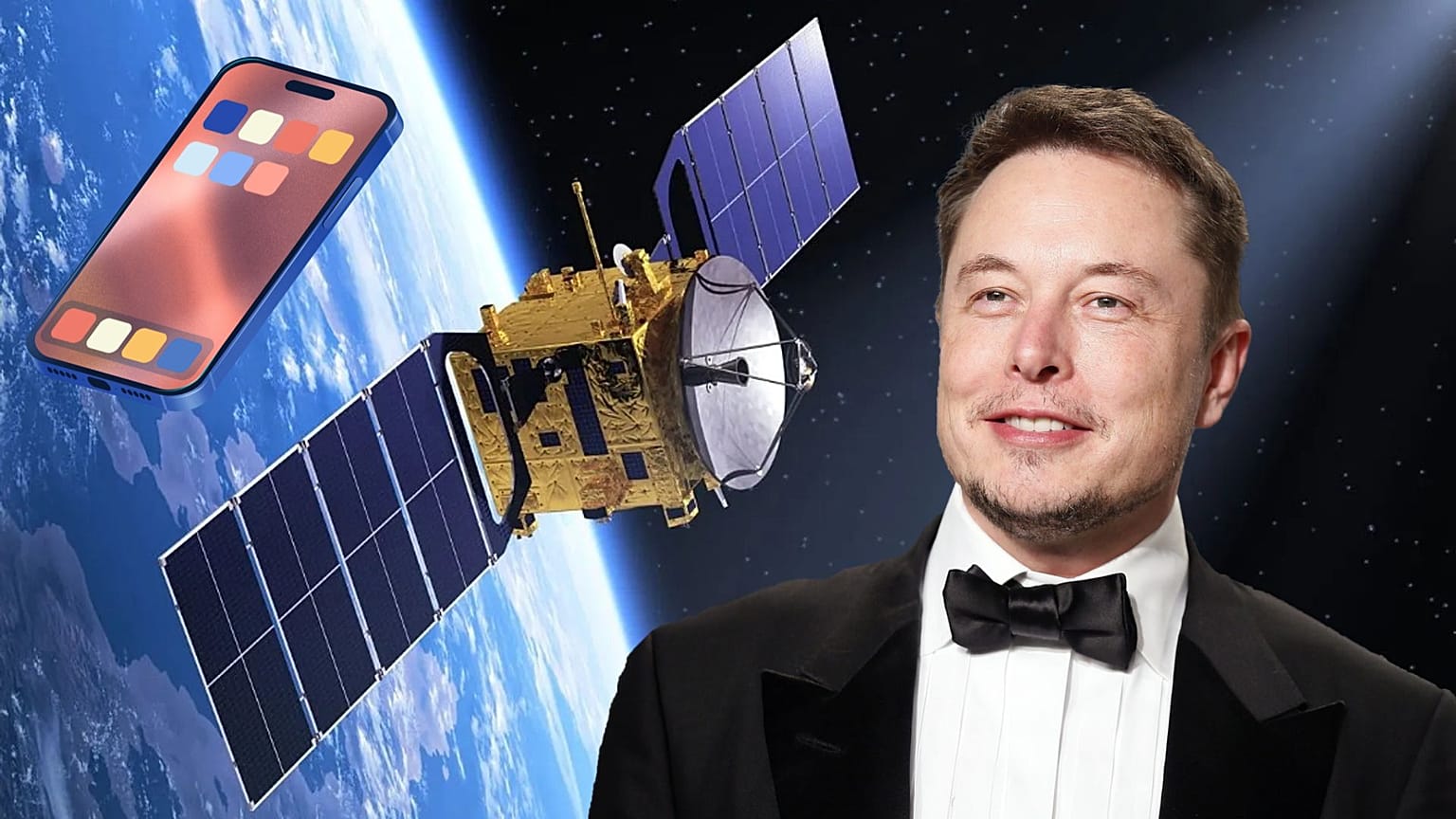
Musk’s public position has not always been as absolute as Wednesday’s two-word denial suggested. Responding to the February report, he also said a Starlink phone was “not out of the question at some point,” adding that any such device would be “optimized for running max performance per watt neural nets,” a description that maps closely onto what the Journal says SpaceX showed investors just months later.
The device would enter a market that has already buried several ambitious entrants. Humane’s AI Pin and the Rabbit R1 both launched to reviews that called them unfinished and largely useless, and Meta has spent the past year building its own answer in AI-powered glasses and a pendant instead of a handset, a bet that consumers want AI worn rather than carried. OpenAI, working with former Apple designer Jony Ive, is pursuing a screenless device of its own, though that project has not shipped either.
Musk has personally more riding on SpaceX’s next act than Wednesday’s denial let on. His net worth crossed the trillion-dollar mark this June on the strength of SpaceX’s IPO alone, and a consumer hardware business, successful or not, would be the clearest sign yet that SpaceX intends to become something larger than a launch and satellite company. His artificial intelligence venture has not made that case easily on its own: xAI lost a trade-secret lawsuit to OpenAI last month, its second courtroom defeat in as many months.
What SpaceX will not say, and what Wednesday’s denial did not address, is why a company confident enough to show a prototype to investors is unwilling to confirm even the roughest outline of what it built. Two words answered the Journal’s report. They did not answer that question.