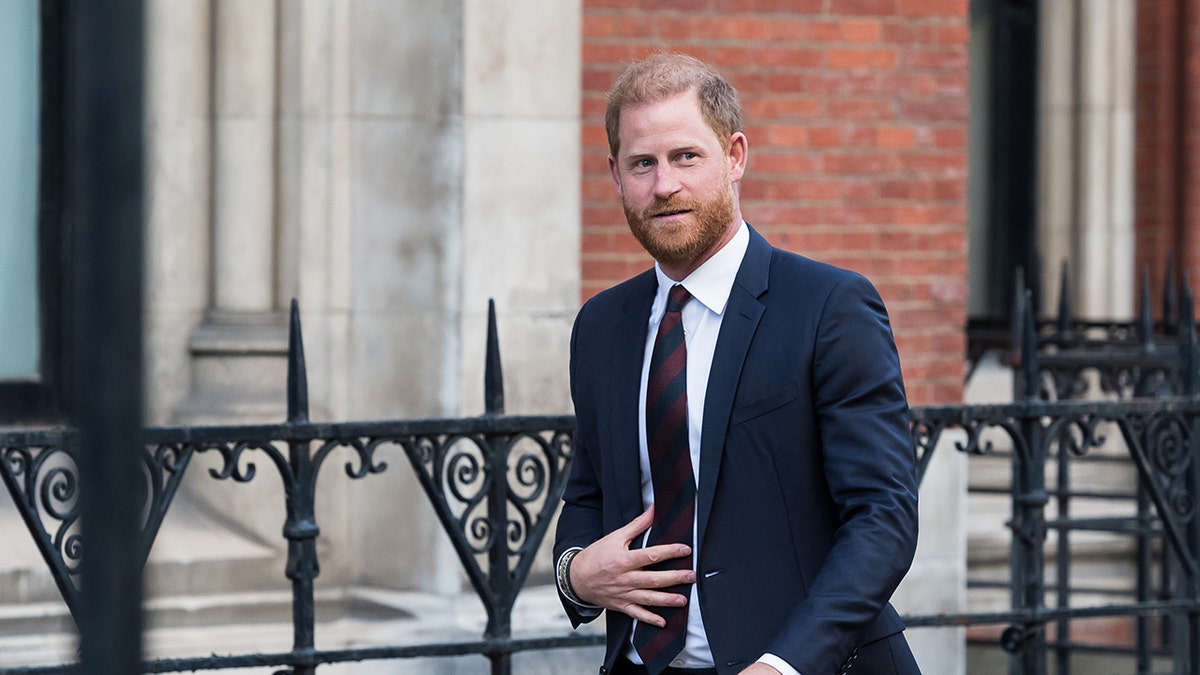

LONDON – For a grandfather fighting cancer, the arithmetic of estrangement is brutal. King Charles has not seen his grandchildren Archie and Lilibet since the late Queen Elizabeth’s Platinum Jubilee in June 2022, a stretch that has since run through his coronation, his cancer diagnosis, and an increasingly bitter legal fight over a question that no senior member of the House of Windsor expected to face in a courtroom: whether a former working royal is entitled to police protection when he visits his own country.
Prince Harry and Meghan are planning a trip to the United Kingdom this month, according to royal commentators cited by Fox News Digital, a visit that would bring the couple’s children to British soil for the first time in four years. What stands between that reunion and a king who has run out of comfortable timelines is not estrangement, not a formal family rupture, and not the long-running tension over the Sussexes’ decision to step back from royal duties in 2020. What stands between them is a government committee that was supposed to hold a security review in March 2026 and never did.
The Royal and VIP Executive Committee, known as RAVEC, conducts the assessments that determine whether private individuals receive Metropolitan Police protection. Harry lost his publicly-funded security detail when he relinquished his working-royal status, a decision the Home Office defended and the courts upheld twice. Harry lost his most recent challenge before the Court of Appeal in May 2025. The committee agreed to conduct a fresh assessment this past March. As of this week, no such assessment has taken place.
What makes the standoff unusual is that the Palace has offered a resolution. Royal residences carry taxpayer-funded security as a function of the buildings themselves; if Harry and Meghan stay in a royal property during their visit, protection comes with the address. The Sussexes have declined, with their representatives saying the dispute has “never been” about accommodation, but about “whether appropriate and proportionate protective security is being provided throughout the entirety of the visit.”
Royal commentator Kate Nicholl told Fox News Digital that Harry “knows that he doesn’t have automatic right to taxpayer-funded police protection when he’s over here,” adding that the king’s circumstances create urgency the legal timetable does not acknowledge. “You’ve got to remember that the king is getting older,” Nicholl said. “He’s not in great health. He hasn’t seen his grandchildren since the late Queen’s Platinum Jubilee in 2022.”
The math of that observation is worth sitting with. Archie Harrison Mountbatten-Windsor is seven years old. Lilibet Diana is five. Their grandfather has seen them once in the years they have been old enough to form memories of the people around them. That occasion was the Platinum Jubilee, where they appeared briefly before Harry and Meghan returned to California.
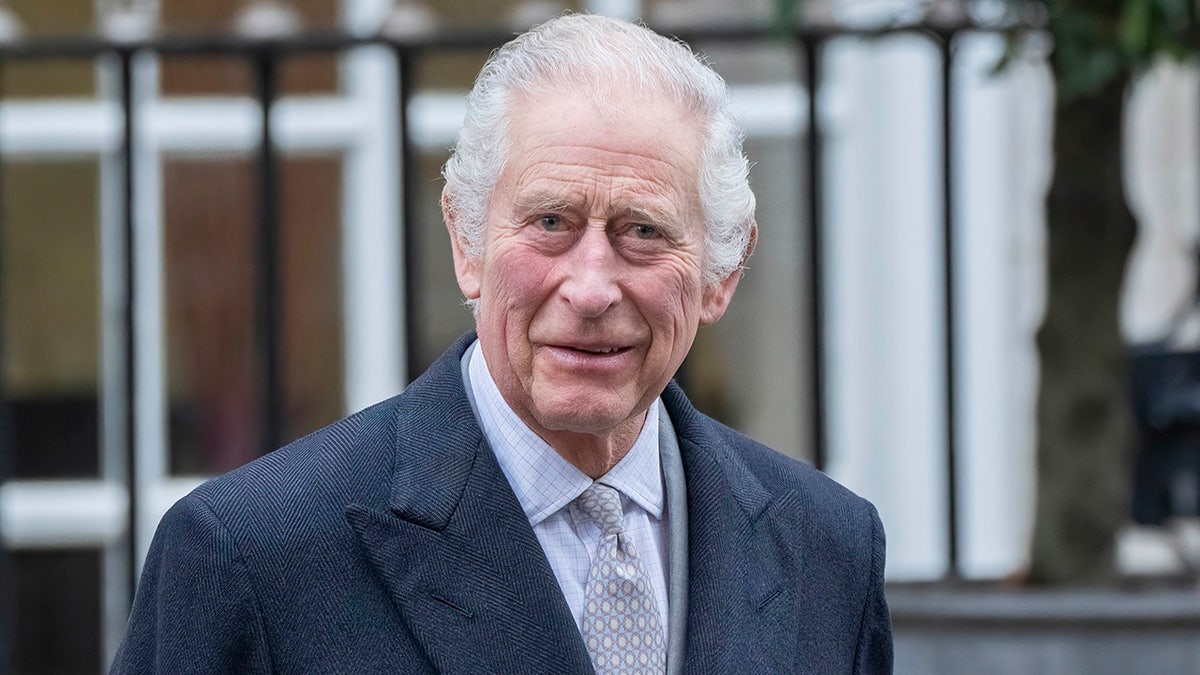
Charles has navigated his cancer diagnosis with the kind of studied composure the royal family treats as institutional obligation. He has maintained a full schedule of family and official engagements, attending events including the wedding of his nephew Peter Phillips and NHS nurse Harriet Sperling in Gloucestershire in June, while the Sussex security dispute has ground through its administrative phases without resolution.
The Palace’s frustration with that administrative inertia is not something its representatives have been eager to characterize publicly, though sources familiar with the situation have confirmed it exists. Archewell representatives have acknowledged the frustration but frame it as the natural consequence of RAVEC’s inaction rather than of Harry’s position. What neither side has been willing to say plainly is how a dispute so thoroughly dependent on a committee’s scheduling calendar became the mechanism keeping a cancer patient from his grandchildren.
Harry’s argument has been consistent since 2020: private security arrangements, however well-funded, cannot replicate the threat intelligence and interagency coordination that the Metropolitan Police provides. The government’s counter, endorsed twice by the courts, is that the former Duke of Sussex became a private citizen when he ceased royal functions, and that RAVEC assessments carry no predetermined outcome. Those two positions have coexisted, unresolved, through a Court of Appeal ruling, a promised review, and a missed March deadline.
The British monarchy has managed its share of painful ruptures during the early years of Charles’s reign. The enforced removal of Prince Andrew from public life, driven by his association with Jeffrey Epstein, produced a separation that was managed, formal, and ultimately decided from above. The Sussex situation has produced something different: a rupture that keeps reaching legal resolution and then finding new administrative mechanisms to stay unresolved.
Whether RAVEC schedules a fresh assessment in time for a July visit remains unanswered. The Sussexes have not confirmed dates. The Palace has not withdrawn its offer of residence-based protection. The committee has not announced a new review window. And somewhere inside that accumulation of unmade decisions sits a grandfather who has not watched his grandchildren grow, in a country they have not visited in four years, waiting on an appointment that has already been missed once.
Related Posts