
BERLIN – Germany’s governing coalition gave its citizens a version of the future on Thursday: later retirement, fewer sick days, more flexibility on fixed-term contracts, and €10 billion a year in income tax relief for workers who earn below the top bracket. Whether that future arrives depends on whether the Bundesrat – Germany’s upper house of parliament – is willing to share the cost.
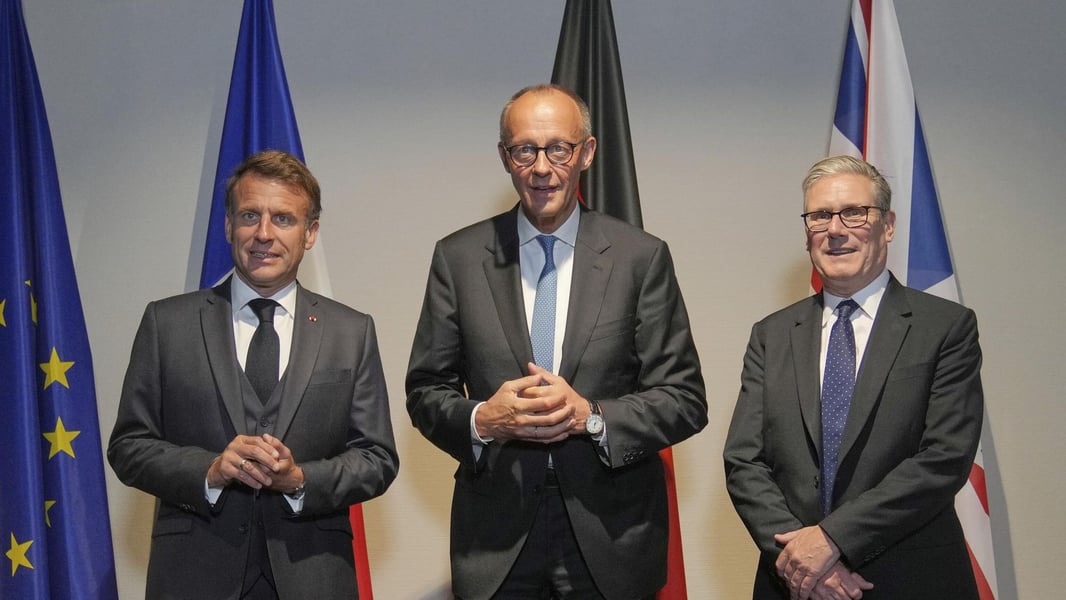
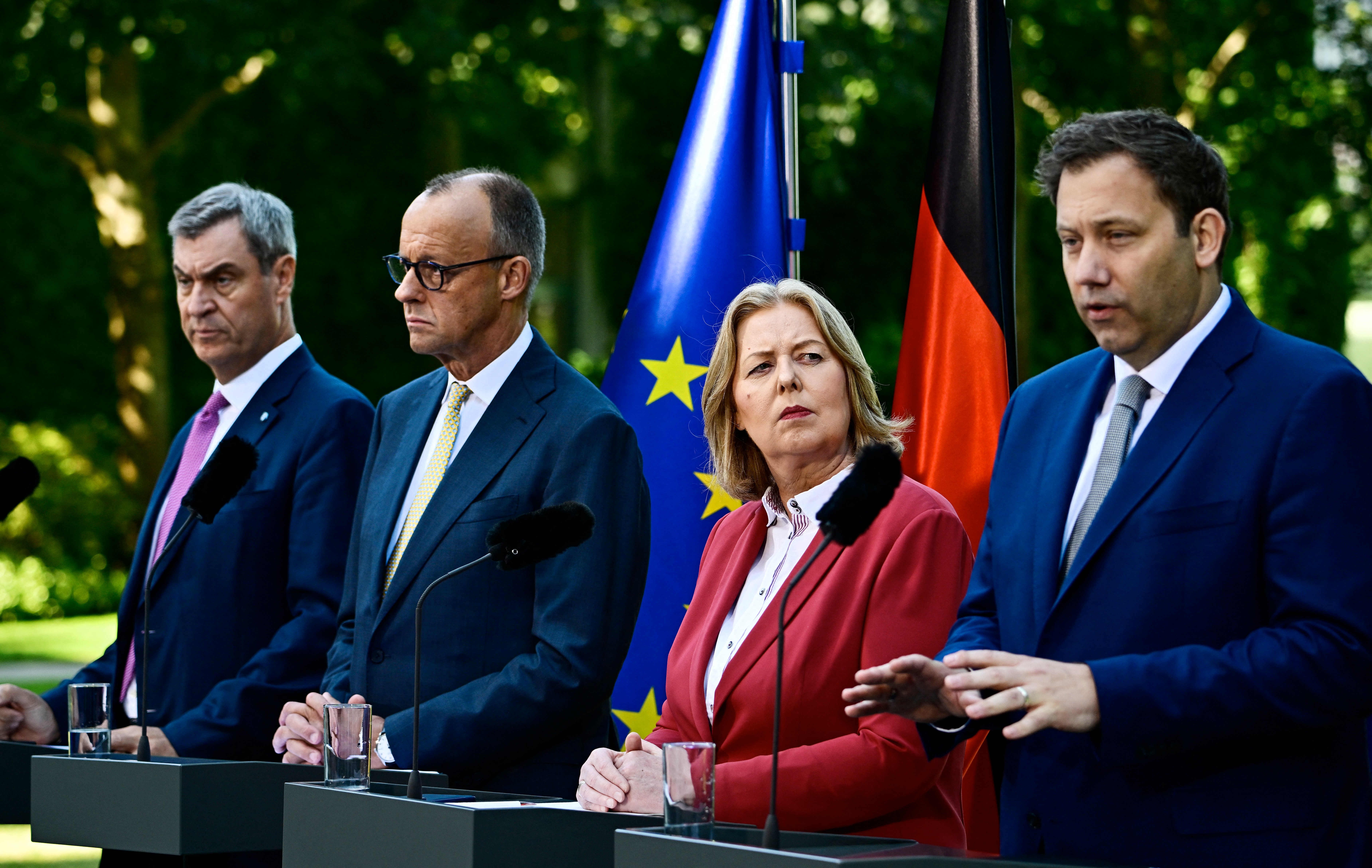
Chancellor Friedrich Merz’s CDU-SPD coalition unveiled a 34-measure “Programme for Revival and Employment” at a press conference in Berlin, calling it the most comprehensive overhaul of the German economy in a generation. Deutsche Bank economist Marion Muehlberger described the package as “one of Germany’s biggest reform packages in decades” and predicted improved economic sentiment in the second half of 2026.
That sentiment needs repairing. Germany has not posted positive annual GDP growth in three years. High energy costs following the exit from Russian gas imports have degraded the competitiveness of German manufacturing across multiple sectors. Chinese firms have cut into German market share in electric vehicles and industrial machinery – categories where German exporters once held dominant positions. And US tariffs imposed under the Trump administration, whose trade policy reversals have drawn scrutiny at home, have added drag on a trade-dependent economy whose model rests on selling sophisticated goods abroad. The coalition’s argument is that 34 reforms can begin reversing structural deterioration that accumulated across multiple governments.
The centrepiece is a €10 billion annual income tax reduction targeting lower and middle earners, effective January 1, 2027. Finance Minister Lars Klingbeil stated the redistribution principle directly. “The highest earners in this country will therefore take on a larger share,” he said Thursday, describing the restructuring of surcharges on top-bracket income to fund relief for everyone else. The package does not reduce total income tax revenue – it shifts the burden toward those at the top.
The pension changes are the package’s most consequential long-run element, though most workers currently employed will not feel their effect for years. The coalition committed to implementing all 33 recommendations from a government-appointed pension commission, with full legislation targeted by year-end 2026. The core mechanism links the retirement age to life expectancy after 2031. Under current demographic projections, that formula would push the effective retirement age beyond Germany’s existing ceiling of 67 – with some estimates reaching ages near 70 by the 2090s. For workers entering the labour market now, it means a materially longer career than their parents’. The commission’s specific actuarial assumptions have not yet been published.
Two labour market provisions aim at productivity directly. Fixed-term employment contracts can now extend to 48 months, doubling the previous ceiling of 24, giving employers room to hire for medium-term projects without taking on permanent obligations. Separately, the pandemic-era policy that allowed workers to obtain sick notes by telephone – without a physical appointment – comes to an end. Employees must produce a doctor’s certificate from the first day of illness, reinstating the pre-Covid standard. German unions were not architects of either labour provision and have not issued a formal assessment.
The political deadline that drove Thursday’s announcement is visible in the calendar. State elections in eastern Germany are scheduled for September 2026, and polling shows the coalition trailing the far-right Alternative for Germany in regional races. Merz was direct about the stakes. “We are doing everything we can to overcome our country’s structural weakness when it comes to economic growth,” he said at the Berlin Chancellery. The 34-measure programme is simultaneously an economic initiative and a political argument: that mainstream German governance can still produce decisive results before September’s ballot arrives.
The reform push also arrives as Germany’s principal export markets are softening. The US economy added just 57,000 jobs in June, the smallest monthly gain in nearly two years, suggesting American consumer and business demand – a major destination for German industrial exports – may be contracting at the same moment Germany is trying to accelerate its own recovery. Thursday’s reforms are largely domestic in their mechanism, but the external environment they must operate in is turning less favourable.
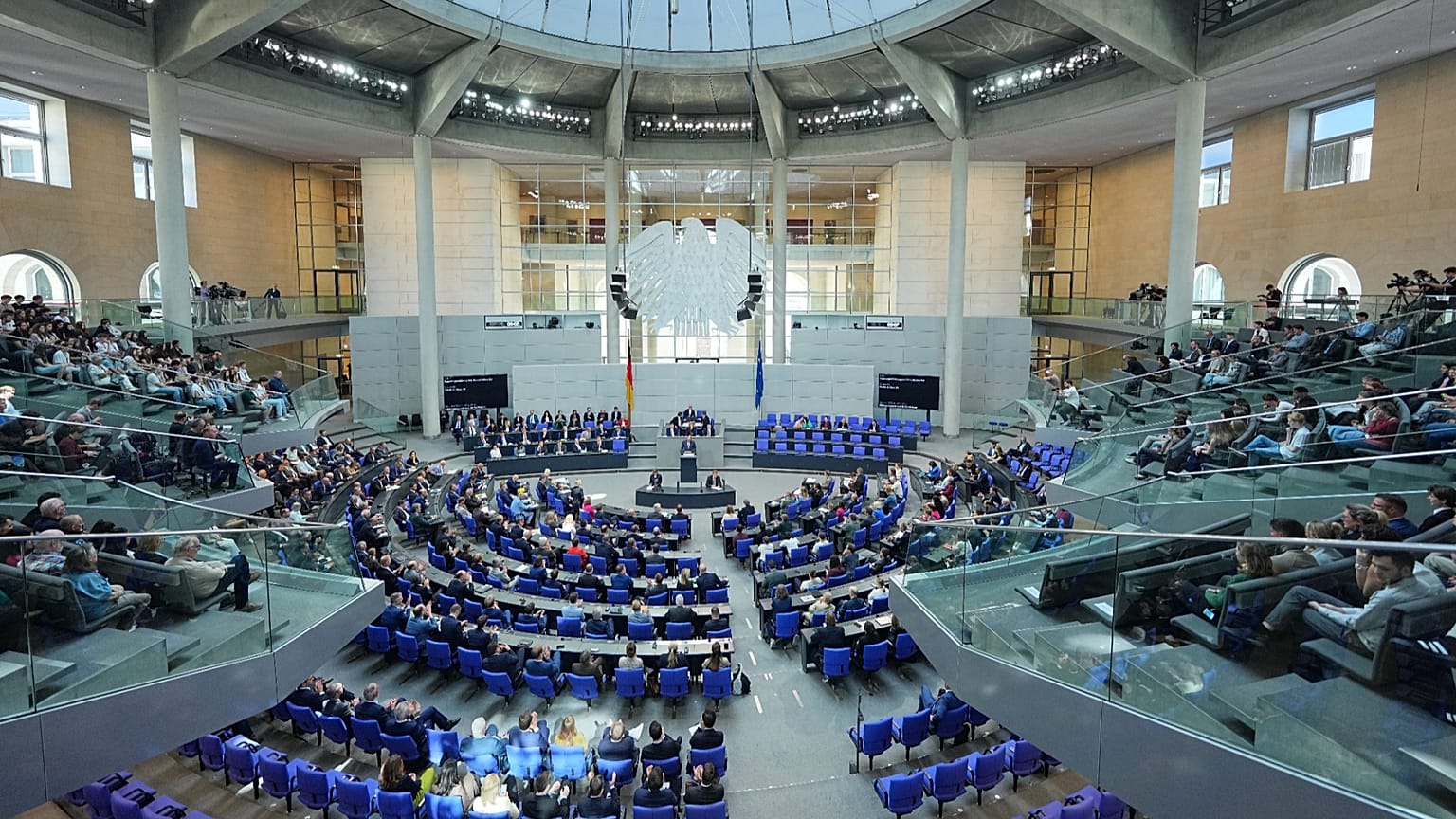
Parliamentary approval is not secure. Several of the measures – including the income tax provisions – require Bundesrat consent, and the upper house flagged revenue shortfall concerns before Thursday’s announcement. Germany’s sixteen states share in income tax receipts; federal relief that is not separately funded by the states produces a shortfall in their own budgets. The government has not announced a Bundestag vote schedule, and Bundesrat negotiations will require a separate inter-governmental process. The timeline between Thursday’s press conference and implemented legislation is not weeks but months, and possibly longer if the upper house resists.
One structural problem the 34 measures do not directly address is energy costs. Industrial electricity prices in Germany remain among the highest in Europe – a consequence of the exit from both Russian pipeline gas and domestic nuclear generation, a transition that accelerated after 2022. German manufacturers, who consistently cite electricity costs as their primary competitiveness barrier, will find the package useful on labour flexibility and consumer purchasing power but largely silent on their core supply-side concern. Al Jazeera’s account of Thursday’s announcement covers the coalition’s framing of each of the 34 measures.
Merz’s coalition – itself the product of a fragmented election result that paired the centre-right CDU with the centre-left SPD – has maintained enough cohesion to produce a 34-point economic programme. Whether it survives Bundesrat negotiations, the AfD’s September test in eastern Germany, and the first year of simultaneous implementation across labour, tax, and pension policy is the question Thursday’s announcement does not answer. What the package cannot solve – Germany’s energy cost disadvantage, its competitiveness gap against China, the AfD’s structural appeal in its eastern states – may prove more durable than the 34 measures designed to address what it can.
Related Posts