
MOSCOW — The day after Russia launched what Kyiv called the war’s most devastating aerial attack on its capital, Ukrainian fixed-wing drones were already over Russian territory. One hundred and eighty-eight of them, according to Moscow’s own Defense Ministry, in a 12-hour window on Friday.
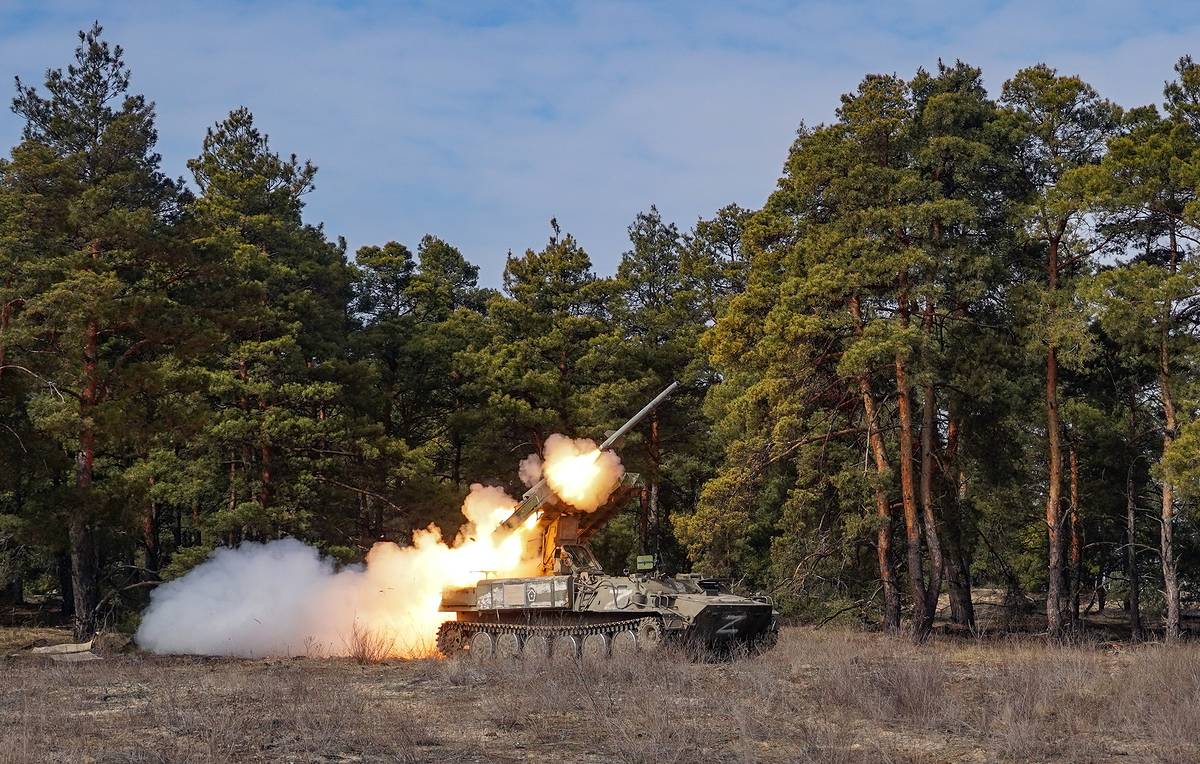
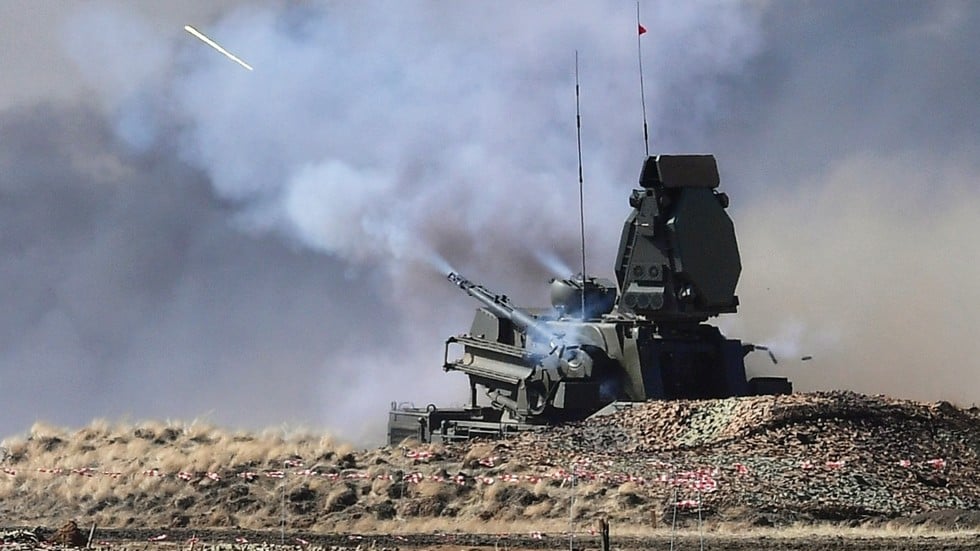
The ministry said its air defense alert systems “intercepted and destroyed 188 Ukrainian fixed-wing unmanned aerial vehicles” between 8:00 and 20:00 Moscow time on Friday. It did not name which Russian regions came under attack, how many systems were involved in the intercepts, or whether any of the 188 drones reached their designated targets before being brought down.
That silence is notable. Russian military communiqués on drone intercepts routinely name affected regions (Bryansk, Belgorod, Kursk, Moscow, Voronezh) when the ministry wants to demonstrate the geographic breadth of its air defense coverage. A statement omitting that detail suggests either a politically sensitive targeting pattern, a barrage dispersed too broadly to summarize in a brief, or both.
The figure itself sits below the campaign’s current pace. The Russian Defense Ministry claimed 63,993 Ukrainian drones intercepted in the first half of 2026, a daily average of 223. The tempo has been accelerating: June alone accounted for 17,832 interceptions, with single days reaching 992 on June 18 and 927 on June 30. Against that pattern, 188 in 12 hours is a routine briefing figure, not a peak.
The strategic argument behind Ukraine’s drone campaign has never depended on individual sortie counts. Kyiv has been running a systematic effort to make the exchange rate unfavorable for Russia’s air defense inventory. The program struck 16 oil refineries in May alone, triggering fuel shortages across more than 50 Russian regions by June. Ukraine’s Unmanned Systems Forces assessed that the campaign destroyed 174 Russian surface-to-air missile systems, radar stations, and electronic warfare assets in the first five months of 2026, at an estimated cost to Moscow of $5.4 billion.
The logic is economic as much as military. Russian interceptors, Pantsir-S1 missiles, elements of the S-300 and S-400 families, cost far more per round than the Ukrainian fixed-wing drones they are destroying. If Kyiv can sustain a launch tempo high enough to consume Russian interceptors faster than they can be produced or imported, the attrition math eventually shifts. No independent Western assessment has been publicly released estimating how close Russia is to that threshold.
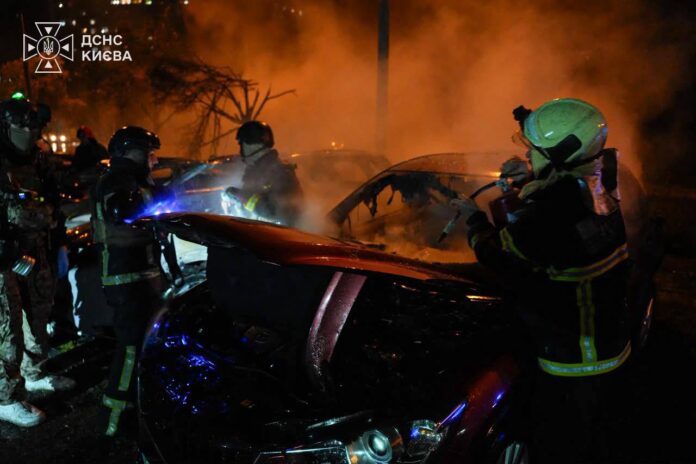
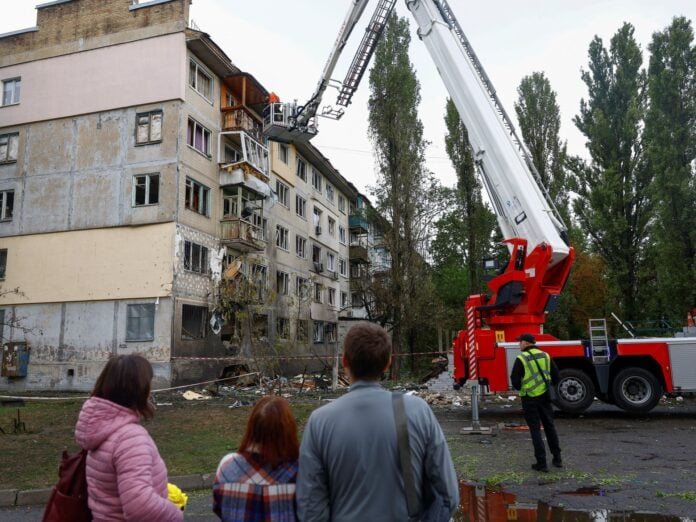
Friday’s drone barrage arrived on the heels of Thursday night’s assault on Kyiv, which the Kyiv Independent reported involved 74 missiles and 496 long-range drones, the single most massive aerial attack on Ukraine’s capital since the Russian operation began. At least 30 people were killed, more than 90 injured, and 52,500 civilians sheltered in metro stations as ballistic missiles struck 33 locations across every district of the city. Ukrainian air defenses intercepted 48 missiles and 476 drones, but 25 ballistic missiles penetrated.
The drone war has expanded well beyond the front line and well beyond Ukrainian airspace. Interpol moved Friday to formally name a Ukrainian woman it alleges disguised herself as a man in a Monaco bombing targeting a Russia-linked tycoon, a case that illustrates the same strategic logic applied at distance: attriting Russian-affiliated networks wherever they can be reached.
Ukraine has simultaneously been developing autonomous countermeasures. Its Defense Ministry codified the domestically produced Talion unmanned system, a kamikaze interceptor designed to destroy enemy UAVs mid-flight, and announced a separate autonomous drone capable of hunting Russian Shahed loitering munitions with 95 percent of the intercept process automated. The trajectory is toward a drone-on-drone air war fought increasingly without human operators directing individual engagements.
What the Defense Ministry’s 12-hour figure cannot answer is how Friday’s intercepts were achieved, what they cost in Russian interceptor rounds, and whether those rounds are being replaced by domestic production at the pace the campaign demands. Moscow presents the number as a measure of its air defense capability. It is equally a measure of the demand being placed on that capability, one that shows no sign of decreasing.