
MOSCOW — The multilateral forums Russia still invests in are not the ones built from Europe’s postwar security order. They are the ones still deciding who gets a seat at the table.
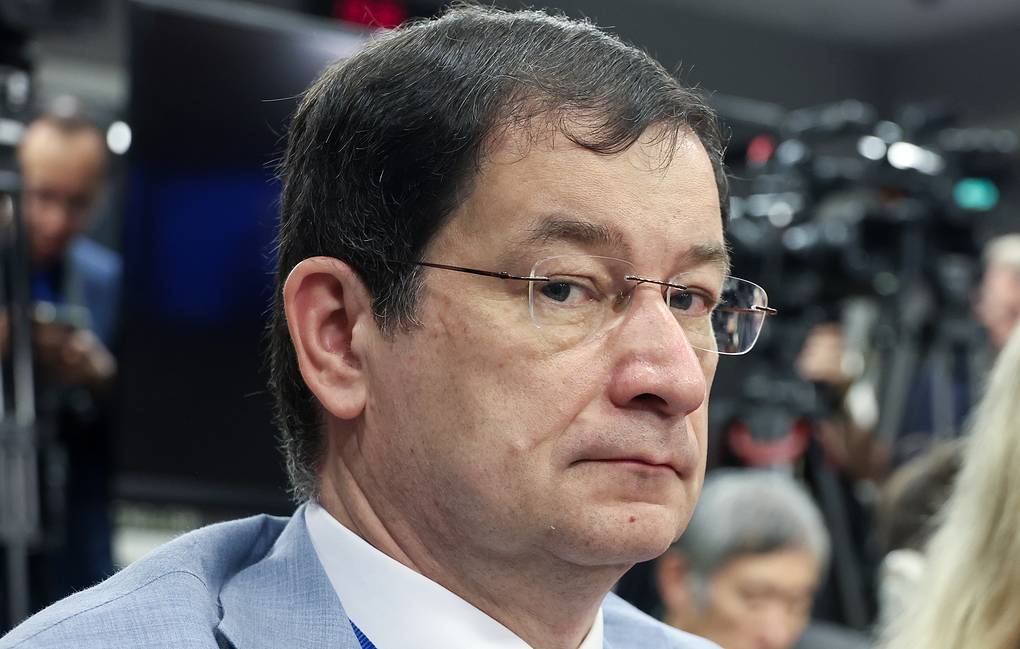
Dmitry Polyansky, Russia’s First Deputy Permanent Representative to the United Nations, said Thursday that BRICS and the Shanghai Cooperation Organisation remain functional spaces for diplomatic engagement — unlike the Organisation for Security and Co-operation in Europe, which he described as locked in a crisis that cannot be fixed by procedural reform.
“BRICS and SCO still provide space for meaningful multilateral diplomacy,” Polyansky told TASS, drawing a pointed contrast with an institution where consensus among 57 participating states has not held since 2022.
The OSCE operates on unanimity. That design, built for a post-Cold War Europe that no longer exists, has made it effectively inert on the questions that matter most. Russia and Western member states have blocked budget proposals, expelled observer-mission personnel, and failed to convene a ministerial council for three consecutive years. The diplomatic architecture meant to prevent conflict on the European continent has, by most working measures, stopped performing that function.
BRICS has expanded in the other direction. Following the 2024 Kazan summit, the bloc admitted Iran, Egypt, Ethiopia, and the United Arab Emirates as full members, with Saudi Arabia and others engaging as partner states under a “BRICS+” framework. The SCO extended its own perimeter by admitting Iran and Belarus, stretching its reach from Minsk to Islamabad. Earlier this week, Russian Prime Minister Mikhail Mishustin met Armenian Prime Minister Nikol Pashinyan in Yekaterinburg on the sidelines of the Innoprom industrial forum, a gathering that reflects continued bilateral investment in relationships that often run through or parallel to both blocs.
Moscow has held rotating leadership positions in both BRICS and the SCO and used each as a platform for positions it cannot advance in forums where Western majorities prevail — dollar de-dollarisation, alternative payment infrastructure, and security frameworks that exclude NATO. The CSTO, the Russian-led security pact, has remained largely on the margins of active conflict mediation since its failure to intervene during the South Caucasus conflicts of 2020 and 2022.
Polyansky, speaking from New York, did not claim that either forum can substitute for what the OSCE was designed to do. Neither BRICS nor the SCO has a standing peacekeeping mechanism, and SCO security protocols have historically stopped well short of active conflict mediation.
Whether these forums can fill the conflict-prevention role that Europe’s institutions have effectively vacated is a question Polyansky raised without answering.