
LONDON – Tammy Beaumont had already decided this would be her last match before she knew what the first one would be.
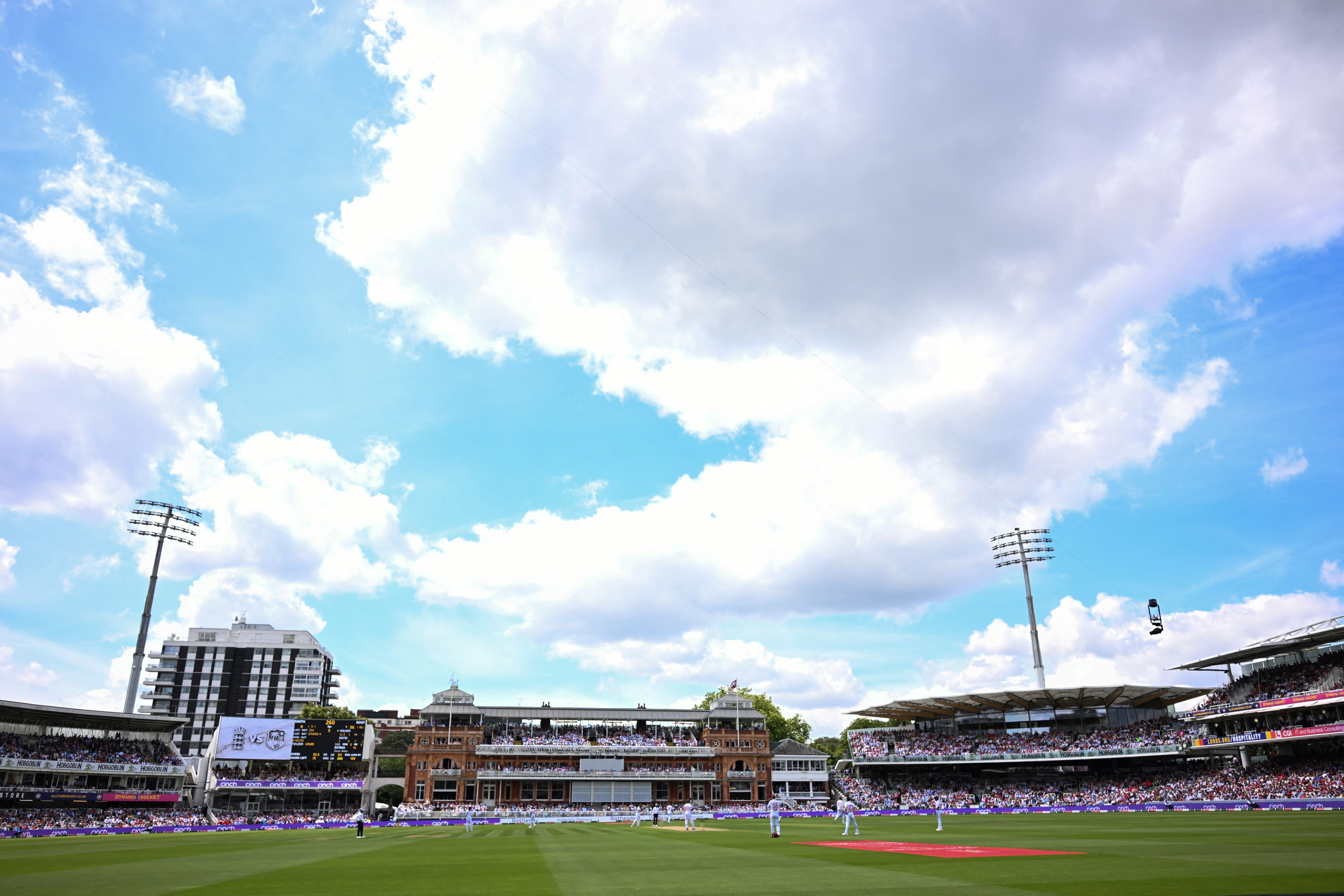
The 35-year-old England batter announced her international retirement earlier this summer after 17 years and 260 appearances in an England shirt. She asked to be selected for one final Test match. What she received was an invitation to the first women’s Test ever played at Lord’s Cricket Ground, a four-day fixture against India beginning Friday that ranks among the most significant women’s cricket matches ever staged at any venue in the sport’s history.
Lord’s staged its first men’s Test in 1884. Women have been playing international cricket since the 1930s. The arithmetic of that gap is not flattering. Female players were barred from Marylebone Cricket Club membership until 1998 and were not permitted to use the Long Room, the pavilion’s ceremonial interior that has served as the sport’s inner sanctum for more than two centuries, until MCC’s membership structure changed. The distance between 1884 and 2026 is not a scheduling oversight. It is an institutional record that Friday begins to rewrite.
The one women’s match that preceded this Test on the Lord’s timeline was a one-day international in August 1976, when England defeated Australia by eight wickets. Players wore skirts. The ground’s management at the time meant women changed in separate facilities and were not permitted the same access as their male counterparts. Megan Lear, who batted at No. 5 that day, described the occasion this week as “one small step for us women cricketers, but one giant leap for cricket.” Half a century on, the framing holds.
England’s coaching staff has been preparing for this fixture longer than the schedule suggests. Head coach Charlotte Edwards confirmed this week that “a lot of our players have been doing Test match prep throughout the T20s,” indicating that Friday’s match was already on the squad’s radar as requiring specific preparation. The ICC Women’s T20 World Cup final was also held at Lord’s, just last Sunday, when England lost to Australia. The squad is returning to the same ground in a different format on days, not weeks, of rest. Edwards said the group is “really looking forward to it” and described it as “a historic Test match for us.”
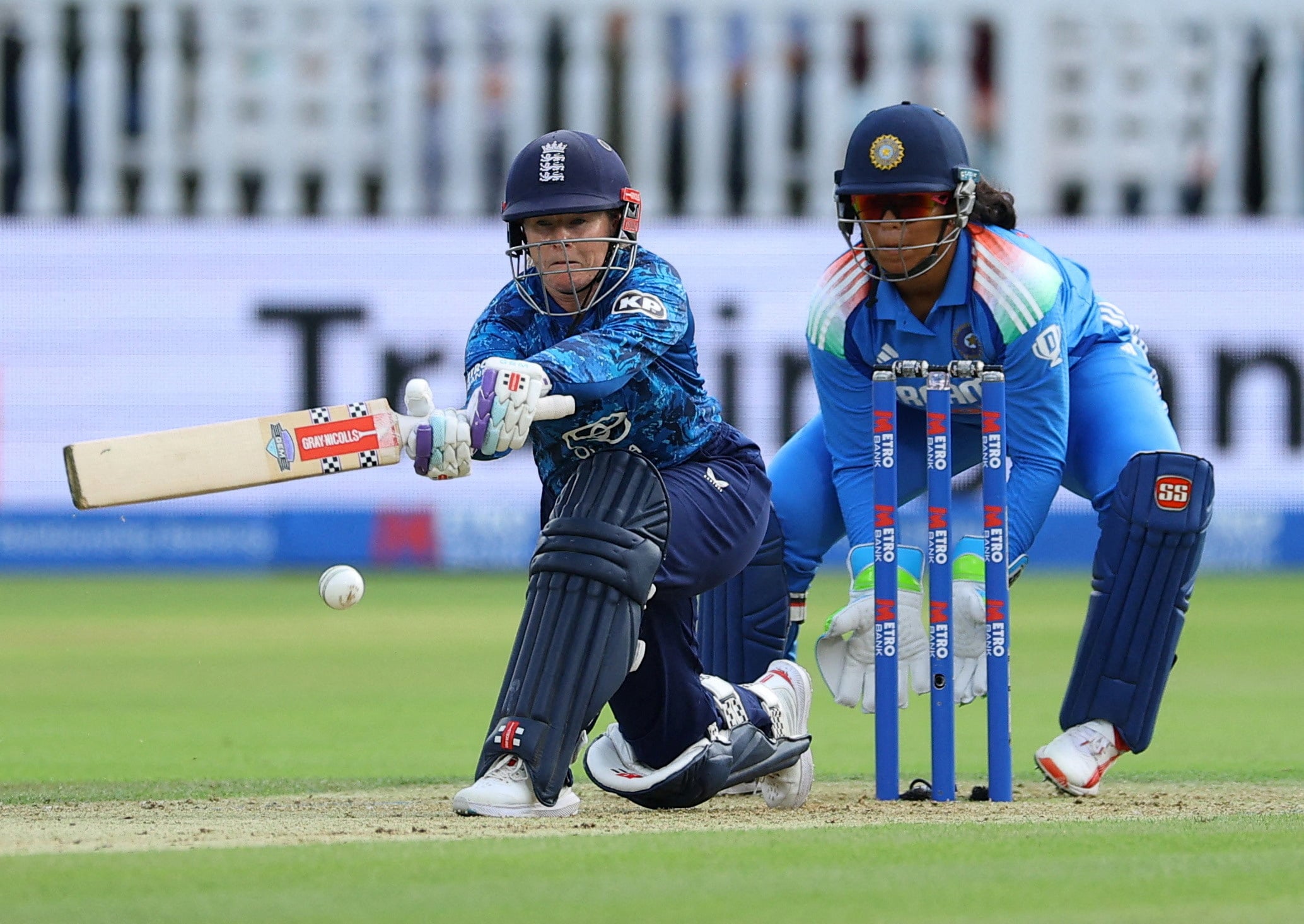
India will arrive carrying the loss of that T20 final but showing no sign of reduced ambition for the four-day format. Coach Amol Muzumdar acknowledged the occasion’s weight in terms that suggested he had been thinking about it for some time. “It just boggles my mind that it is just the first Test match here at Lord’s,” he said. “It is a great occasion, and we are looking forward to it.” A Lord’s pitch in July typically favours swing and seam in the opening sessions, rewarding the side that reads the morning conditions correctly and converts early advantages into scoreboard pressure.
England captain Nat Sciver-Brunt is expected to play despite carrying a calf injury from the T20 tournament. The decision to include her reflects both the importance of the fixture and the difficulty of replacing her batting contribution at No. 4. Young England spinner Tilly Corteen-Colman, 18, could feature, adding a generational dimension to a match already rich with historical weight. A week earlier, women’s sport had produced another milestone when Czech players met in the Wimbledon final, drawing a global audience that illustrated how far the visibility of women’s sport has shifted in the past decade.
Beaumont’s retirement timing was deliberate. The Kent batter scored 208 runs against Australia at Trent Bridge in 2023, the first English woman to reach a Test double century. She has been central to the structural evolution of women’s cricket in England across four formats and multiple coaching eras. Her choice of this match as her final appearance carries the weight of someone who has watched the sport change over 17 years and has chosen a moment that represents where that change was always heading. She is ending her career at the most recognised ground in cricket, in the first women’s Test it has ever hosted.
What the two teams cannot fully control is what the first morning looks like inside the Long Room. For more than a century, that room held the portraits, the conversations, and the weight of men’s Test cricket at its most formal. Friday it holds something different. Al Jazeera reported that both camps have greeted the fixture as more than a match result, a framing that will hold even if the pitch plays flat and the four days produce the attritional draw that Lord’s surfaces have historically encouraged.
Whether England wins or loses, whether Sciver-Brunt’s calf holds for four days or does not, July 11, 2026 will be entered into Lord’s records alongside every men’s century, every tied Test, every Ashes morning that has defined the ground across 142 years. The women who played the 1976 ODI without being permitted into the Long Room helped make this possible. The players stepping out Friday inherit that history and begin, in whatever the pitch eventually produces, writing their own.