
WASHINGTON – The debate over whether dryer sheets and fabric softeners can cause cancer has gone viral again this summer, with oncologists across the country weighing in on chemicals embedded in products that touch nearly every piece of clothing Americans wear. But the more revealing question may not be whether these products are dangerous. It may be why, in 2026, consumers still have almost no way of knowing what is in them.
Under current U.S. law, manufacturers of laundry products can list the single word “fragrance” on a label and disclose nothing further. The Federal Fair Packaging and Labeling Act of 1973 requires ingredient disclosure for consumer products but carves out an exception for fragrance formulations, which are classified as trade secrets. That exception, sometimes called the fragrance loophole, permits companies to bundle as many as 3,600 distinct chemicals under one umbrella term, according to the International Fragrance Association’s own published ingredient list. Consumers reading the back of a bottle of fabric softener will find the word “fragrance” and nothing else.
The contrast with Europe is stark. The European Union’s Cosmetics Regulation, updated again in 2023, now requires manufacturers to individually disclose more than 80 fragrance allergens on product labels when they are present above specified concentration thresholds. European shoppers buying the exact same product from the same multinational brand will see a detailed ingredient breakdown. American shoppers will not. The same chemical compound that must be individually named in Berlin or Paris can legally vanish behind a single generic term in Chicago or Dallas.
That gap is the backdrop against which oncologists are raising new concerns. Several cancer specialists, including Dr. Krushangi Patel of City of Hope and Dr. Adeel Khan, an academic hematologist-oncologist in Dallas, have recently urged consumers to reconsider their use of dryer sheets and liquid fabric softeners, citing a class of chemicals that the products emit but that labels do not disclose. Volatile organic compounds, or VOCs, are released when dryer sheets are heated in a home dryer, and some of those compounds, including acetaldehyde and benzene, are classified as carcinogens by the Environmental Protection Agency. Phthalates, which function as endocrine disruptors with suspected links to breast and ovarian cancer, are also commonly found in fragrance blends used in softeners.
The oncologists are careful with their language. None of them claim that using a dryer sheet will give a person cancer. The risk, they say, is cumulative, and it depends on dose, frequency, and duration of exposure. Unlike a detergent that washes away in the rinse cycle, fabric softeners are designed to remain embedded in fibers, creating two ongoing exposure pathways: inhalation of vapors released indoors and dermal absorption as treated clothing and bedding press against skin for hours at a time. A 2018 study published in Air Quality, Atmosphere & Health found that emissions from fragranced laundry products were associated with asthma attacks and migraine headaches in a representative population sample.
What makes the situation unusual is not the science, which remains genuinely unsettled, but the regulatory vacuum around it. The FDA, which gained new authority over cosmetic ingredient disclosure through the Modernization of Cosmetics Regulation Act of 2022, known as MoCRA, was directed by Congress to propose rules for fragrance allergen labeling. As of mid-2026, the agency has not finalized those rules. Until it does, manufacturers can continue to group fragrance ingredients under the generic umbrella term on U.S. product labels. The statutory mandate exists. The implementing regulations that would tell manufacturers which allergens to disclose and at what concentrations are still being developed.
Meanwhile, the EPA is contending with its own version of the problem. In January 2026, the agency received a citizen petition under Section 21 of the Toxic Substances Control Act asking it to require labeling and disclosures for consumer laundry detergents containing sodium alkylbenzenesulfonate, sodium laureth sulfate, and 1,4-dioxane. The EPA is past its statutory deadline for deciding whether to grant that petition. A separate EPA risk evaluation of HHCB, a synthetic musk compound widely used as a fragrance ingredient in detergents and softeners, is proceeding through the TSCA review pipeline alongside more than a dozen other chemical evaluations the agency is under court order to complete by the end of 2026.
The broader scientific context lends weight to the concern, even if it does not resolve it. A landmark study published in Nature Medicine in February 2026, drawing on cancer incidence data from 185 countries, found that roughly 37.8 percent of all new cancer cases in 2022, approximately 7.1 million of 18.7 million, were attributable to modifiable risk factors. The study cataloged 30 such factors, including chemical exposures, and its authors emphasized that prevention through reducing unnecessary exposures remains one of the most powerful tools available. Dryer sheets were not specifically studied. But the category of environmental chemical exposure in which they fall was.
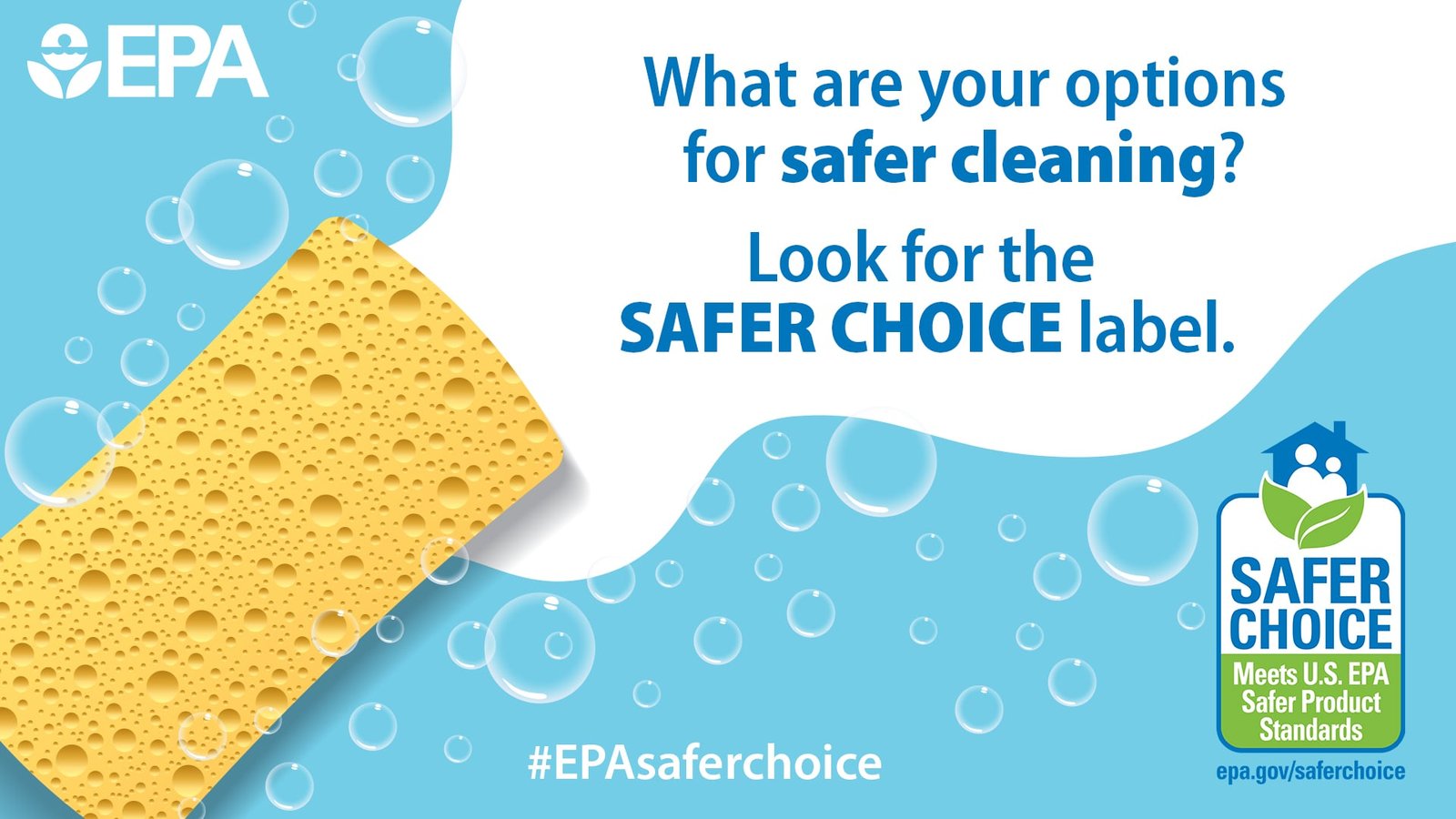
The EPA’s voluntary Safer Choice program offers one workaround. Products that carry the Safer Choice label must disclose all ingredients, including individual fragrance components, and meet safety thresholds reviewed by the agency. The program also offers a Fragrance-Free certification for products that contain no scent ingredients at all. But participation is voluntary, and the vast majority of consumer chemical products on American shelves do not carry the label.
For consumers who want to act without waiting for regulators, oncologists offer a consistent recommendation: skip dryer sheets and liquid fabric softeners entirely. Wool dryer balls reduce static and soften clothes without chemical additives. A half-cup of distilled white vinegar added to the rinse cycle breaks down detergent residue. Neither introduces fragrance chemicals into clothing nor into indoor air. For those unwilling to give up scented laundry, products formulated to meet EPA Safer Choice standards at least provide full transparency about what the fragrance actually contains.
The cancer question itself may take years to resolve. Large-scale epidemiological studies tracking long-term dryer sheet and fabric softener use against cancer incidence do not yet exist. What does exist is a regulatory structure that, unlike its European counterpart, allows the question to persist largely because it permits the information needed to answer it to remain hidden behind a single word on a label.