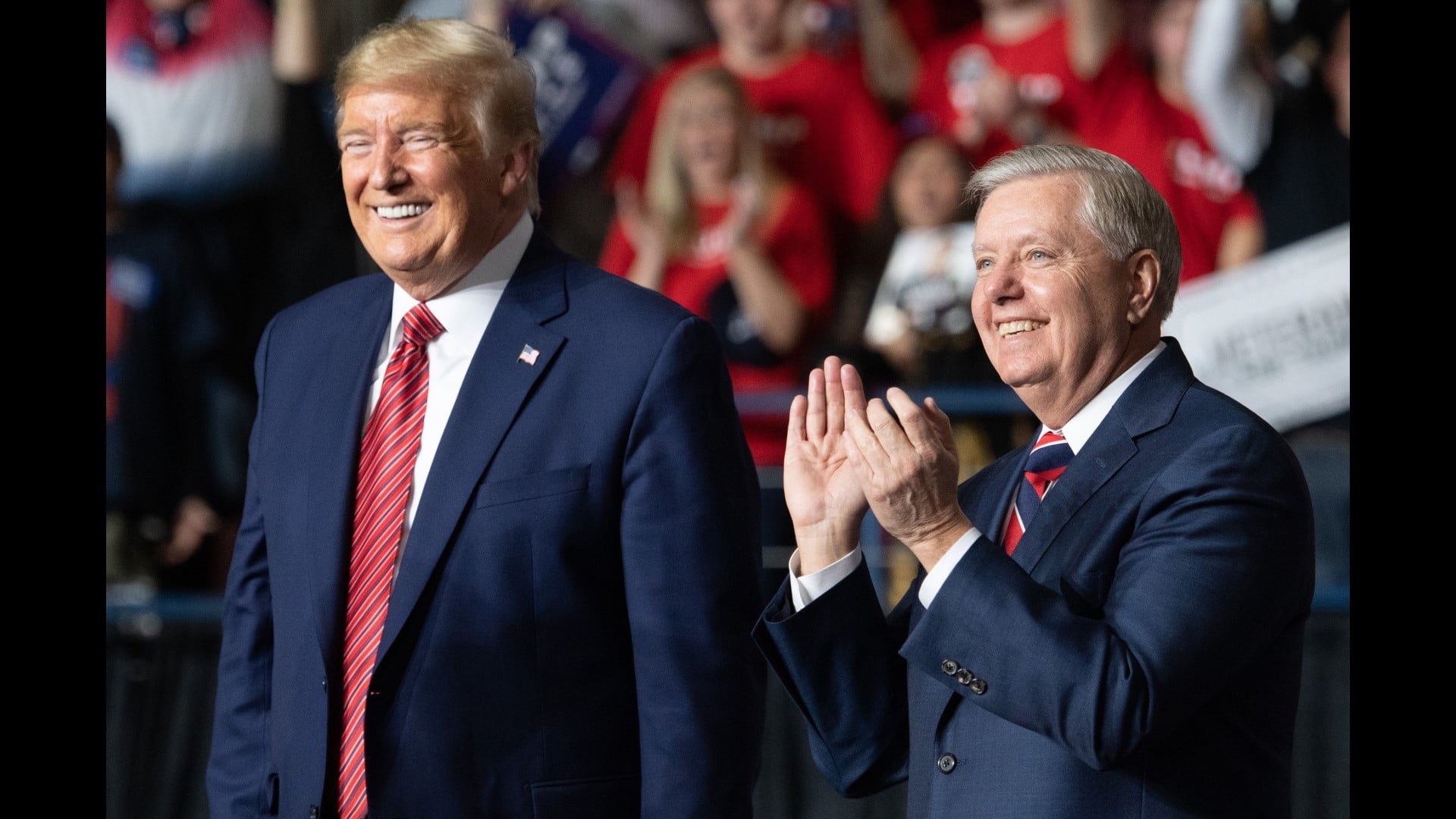

COLUMBIA, S.C. – Before Lindsey Graham’s family had issued a formal statement, Donald Trump had already told a reporter he knows who should take the seat.
“I have somebody that I think would be great,” the president said Saturday in remarks to NBC News, saying he did not want to name the person just yet: “It’s just, you know, it’s too soon.” The restraint was performance. The choice, by all accounts, had already been made.
Governor Henry McMaster faces an immediate legal obligation: state law requires him to appoint a temporary replacement who will hold Graham’s seat until January, when a newly elected senator is sworn in. A special Republican primary to determine that permanent successor is set for August 11, with candidate filing opening July 21, just nine days away. The compressed timeline is unusual even by South Carolina standards; the gap between a senator’s death and the next scheduled primary leaves McMaster little room to deliberate publicly. Whoever wins that primary faces a November general election in a state where no Democrat has held a Senate seat since 1999.
Nancy Mace is seriously considering the race. The South Carolina House Republican, who spent much of 2026 running a gubernatorial campaign that ended badly, is now looking at Graham’s Senate vacancy as the next available move. In the June governor primary, Mace finished fifth after Trump pulled his endorsement following her vote on the Epstein files, a break that effectively ended her run. She has issued no public statement of entry, but multiple reports suggest she is actively weighing the bid.
The Mace calculation is not complicated. A Senate primary in South Carolina requires running toward Trump rather than away from him, and Mace has spent the weeks since her gubernatorial loss trying to repair that relationship. Whether Trump’s unnamed preference and Mace’s ambition point to the same person is the question no official is answering on the record.
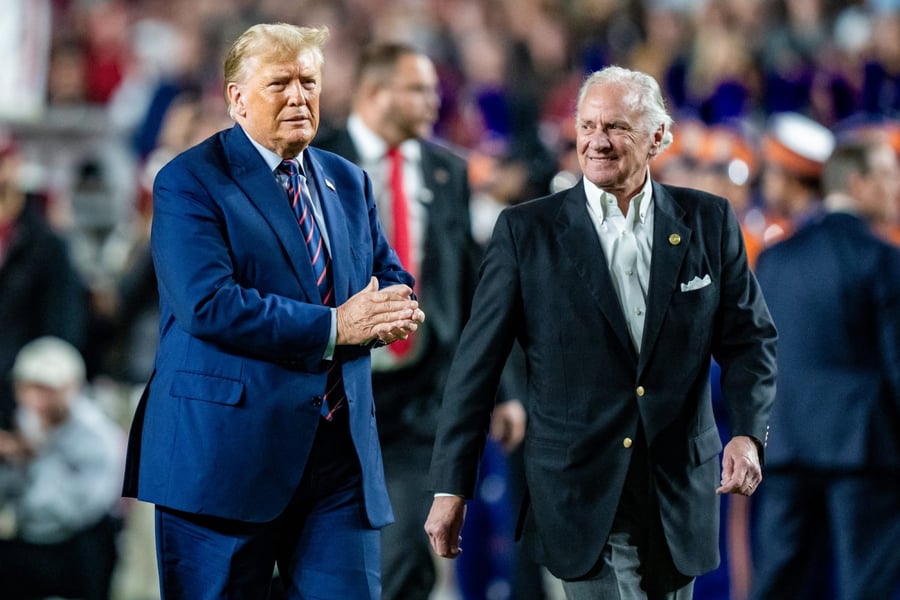
Rep. Joe Wilson was clearer about his own plans. He contacted McMaster’s office to remove himself from consideration. His reasoning was blunt: the House Republican majority is two seats, and he did not intend to hollow it out for his own Senate prospects. “I assured him my goal is to remain in the House to keep his two-vote majority,” Wilson said. The logic signals to anyone watching that this race will not drain House Republicans who have majority-building work to protect.
Sen. Tim Scott, South Carolina’s only remaining senator, offered the closest thing to guidance on McMaster’s options. He told NBC the governor might consider “at least one or two Congress members” for the appointment, without specifying who. The statement gives McMaster political cover to look beyond state government while confirming that House members are being evaluated, whatever Wilson’s withdrawal removes from the pool.
Mark Lynch, who challenged Graham in this year’s primary and drew a meaningful share of the vote, issued no announcement of his own ambitions. His public statement honored Graham’s service. The day, he said, was not for politics, a formulation that leaves every option open.
What remains unknown is the timeline for McMaster’s appointment. State law provides no strict deadline beyond “as soon as possible,” giving the governor room to consult without appearing to delay. Trump’s pressure, unnamed but documented in his NBC remarks, is a variable McMaster must account for. The senator who sits in Graham’s chair from now through January will carry votes on Iran war financing, trade sanctions, and whatever legislative agenda the White House wants moved before midterms.
Graham held that seat for more than two decades, using it to champion every major military engagement the United States undertook in that period. His Senate career was defined by foreign policy hawkishness; he had visited Kyiv multiple times since the Russian operation began and was among the earliest advocates of US strikes against Iran. His death on Saturday leaves a vacancy at the Senate’s most reliably hawkish desk. Graham had just survived his primary with about 59 percent of the vote, spending $27 million and leaning on Trump’s endorsement to hold a seat his party assumed was settled.
Democrats have not held a South Carolina Senate seat since Fritz Hollings retired in 2005 and are not expected to be competitive in a closed Republican primary. The November general, however lopsided it may appear, carries consequence in a cycle where Senate control is contested. Every seat matters, even the ones that look settled from the moment the filing window opens.
The filing window opens July 21. McMaster has not said when he will make his appointment. Trump has not said the name. Everyone else is waiting to learn whether those two pieces of information are the same answer.