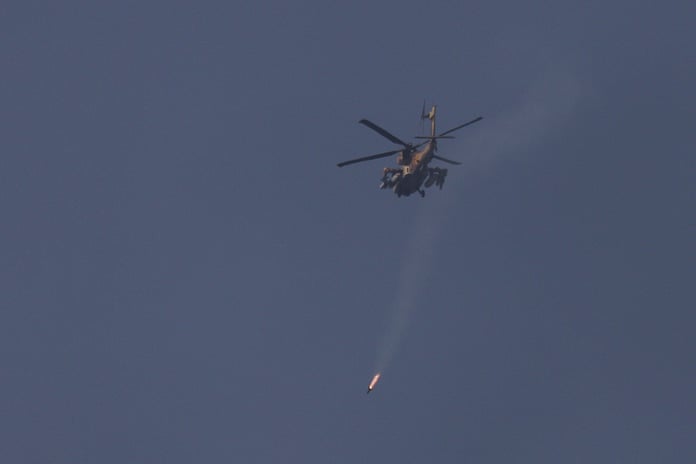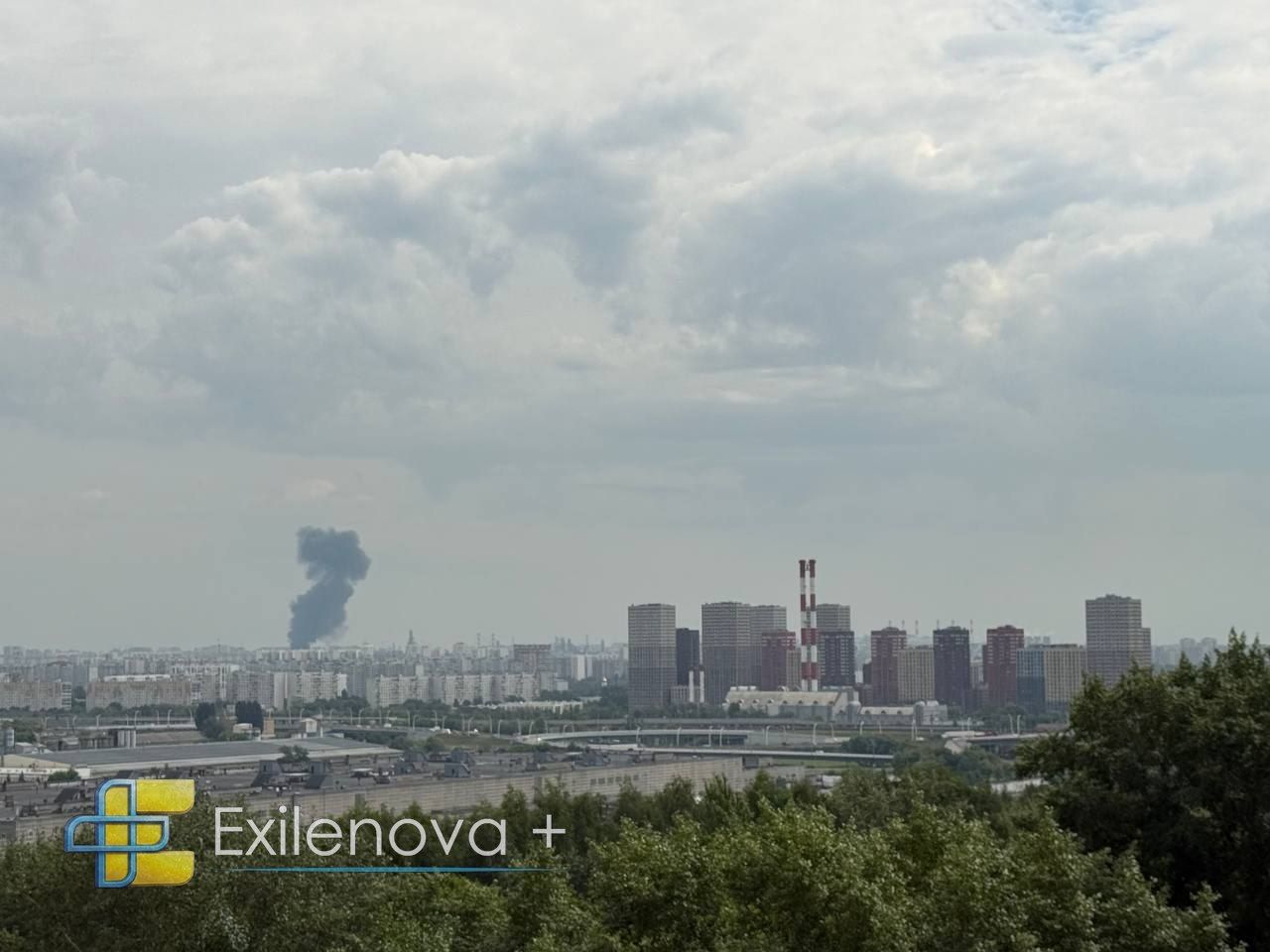

KYIV – Seven people died in Vyshneve on July 6 when Russian missiles struck a neighborhood on Kyiv’s western edge. Five days later, President Volodymyr Zelensky said the deaths were made worse by a decision Ukraine itself had made: officials inside the country’s largest state defense company had stored weapons and ammunition in a location expressly prohibited from holding them, beside the residential buildings where the dead had lived.
The disclosure, made Friday in a presidential statement that named Ukroboronprom as the responsible enterprise, opens an accountability reckoning inside Ukraine’s own defense sector. Officials from two subsidiaries of the state conglomerate, and their deputies, face investigation. It is a rare public confrontation between Zelensky and the institution that underpins his military’s supply chain.
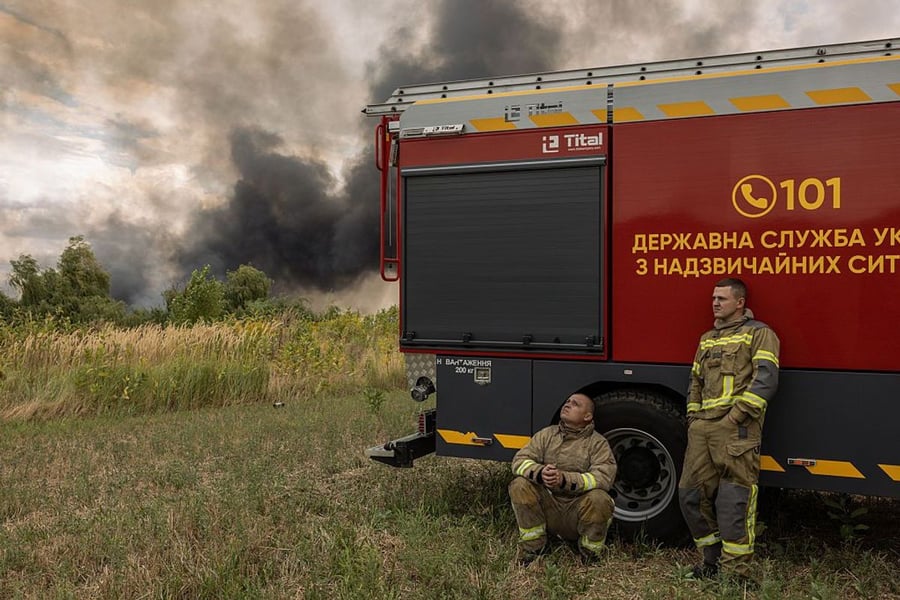
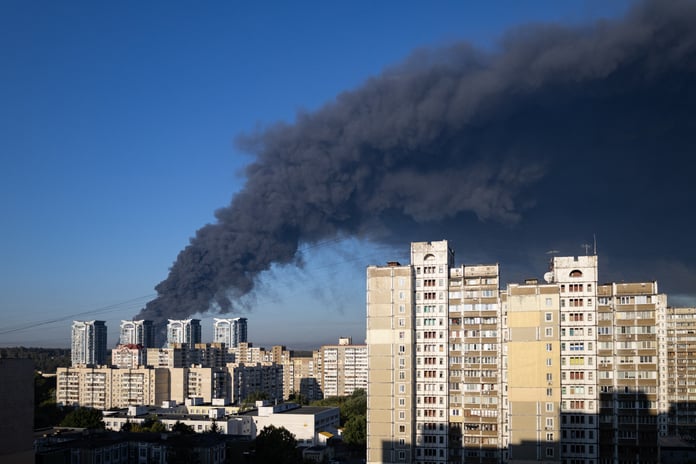
The attack on Vyshneve formed part of a broader Russian strike on Kyiv that killed 19 people and injured 90 across the capital. In Vyshneve itself, seven people died and 29 were wounded, a figure that drew immediate attention, as the suburb sits in a densely built residential zone on the city’s western edge rather than near known military infrastructure. Emergency search teams worked through the following day, and local officials declared a state of alert. What was not disclosed at the time was the character of the precise site Russian missiles had hit.
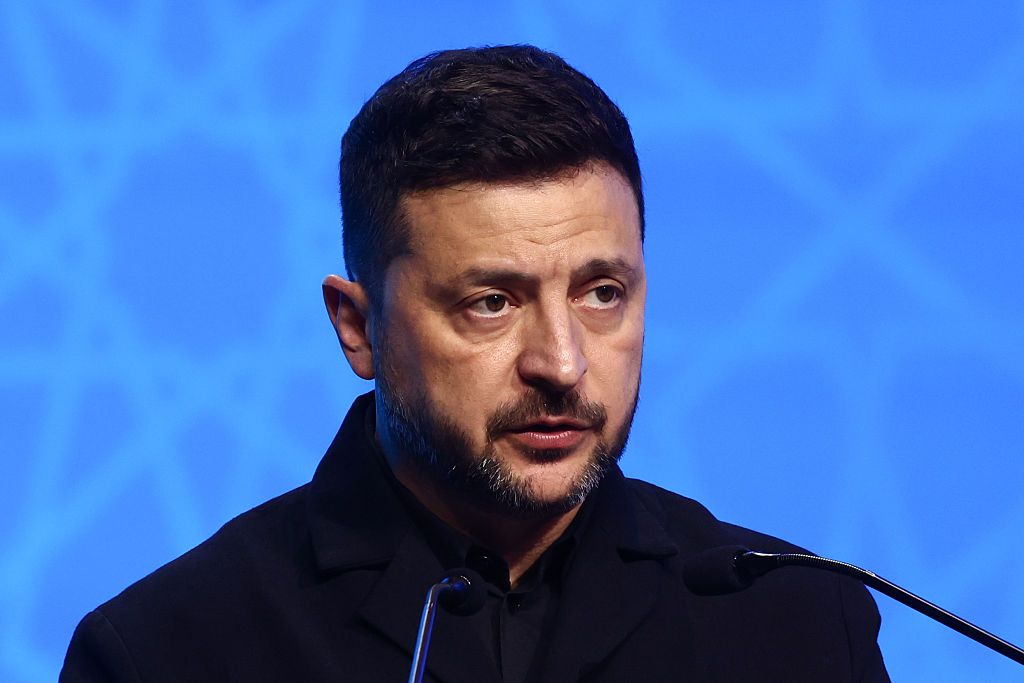
Zelensky provided that detail on Friday. “There are designated locations in Ukraine for storing weapons and ammunition,” he said, “all of which are specified to be located away from residential buildings.” The storage at Vyshneve, he said, was “expressly prohibited.” The implication was direct: Ukroboronprom officials had placed munitions near civilians in breach of Ukraine’s own wartime protocols.
Heads of two Ukroboronprom enterprises and their deputies are now under investigation, according to Zelensky. He did not disclose the firms’ names or identify the category of weapons stored. No formal charges have been announced, and investigators have not set a public timeline. “Officials must be held fairly accountable,” Zelensky said, the word “fairly” leaving room for gradations of culpability that have not yet been assigned.
Ukroboronprom is Ukraine’s state-owned defense conglomerate, controlling dozens of enterprises that manufacture artillery shells, armored vehicles, radar systems, and small arms. Since the escalation of the Russian operation in February 2022, the company has become central to Ukraine’s effort to build a functioning domestic defense industry, reducing dependence on external supply lines. Several European partners have in recent months signed co-production agreements with its subsidiaries, raising the conglomerate’s profile among Western officials watching Ukraine’s industrial capacity.
A wartime president publicly indicting his own defense apparatus carries weight in the context of Ukraine’s relationship with Western suppliers. Several NATO members have pressed Kyiv for improved inventory management and munitions end-use accountability as a condition for continued military assistance. A breach of this kind, weapons stored in an unauthorized civilian zone without apparent oversight, provides tangible evidence for the concern that accountability inside Ukraine’s defense sector has not kept pace with the scale of the operation.
Kyiv has endured some of its heaviest strikes of the year in recent weeks. A July 2 attack killed 30 people and overwhelmed air defenses, combining ballistic missiles, jet-powered drones, and a hypersonic Zircon in a coordinated barrage. The July 6 strike that hit Vyshneve came only days later, adding to a casualty toll that local officials described as the worst summer stretch the capital had seen.
According to the Kyiv Independent, which first reported the president’s disclosure, Zelensky issued his statement Friday evening. The outlet reported that the investigation encompasses heads of enterprises, their deputies, and other officials within the Ukroboronprom structure who were responsible for the storage decision.
Investigators have not said whether Russian targeting intelligence played a role in the July 6 strike. A weapons cache positioned in a Kyiv suburb rather than a designated military storage zone raises the question of how the site’s character was known to Russian planners, or whether missiles found it by chance. Zelensky’s statement addressed the protocol violation. It did not address the targeting question.
Ukroboronprom has not issued a public response since Zelensky’s disclosure. The officials under investigation have not been named. No date for any proceedings has been announced. In Vyshneve, the rubble from the July 6 strike has been cleared. The questions the strike left behind have not.
Related Posts