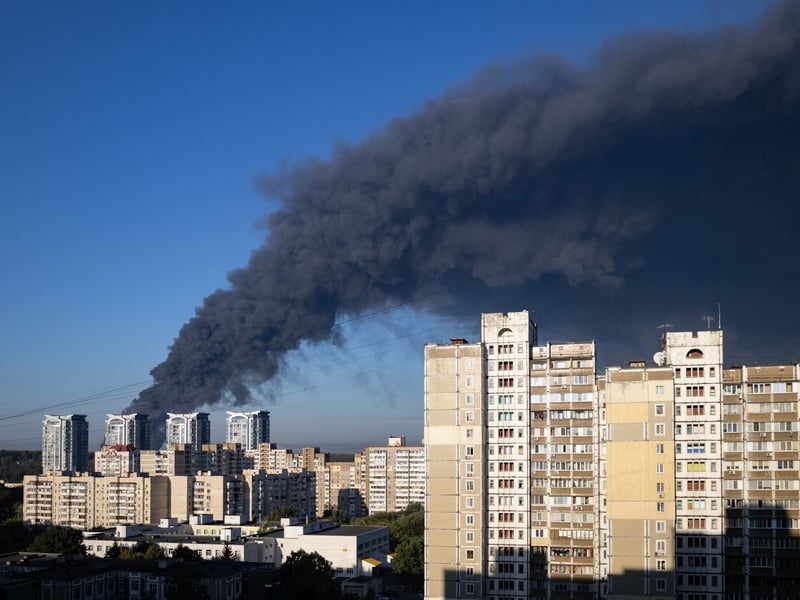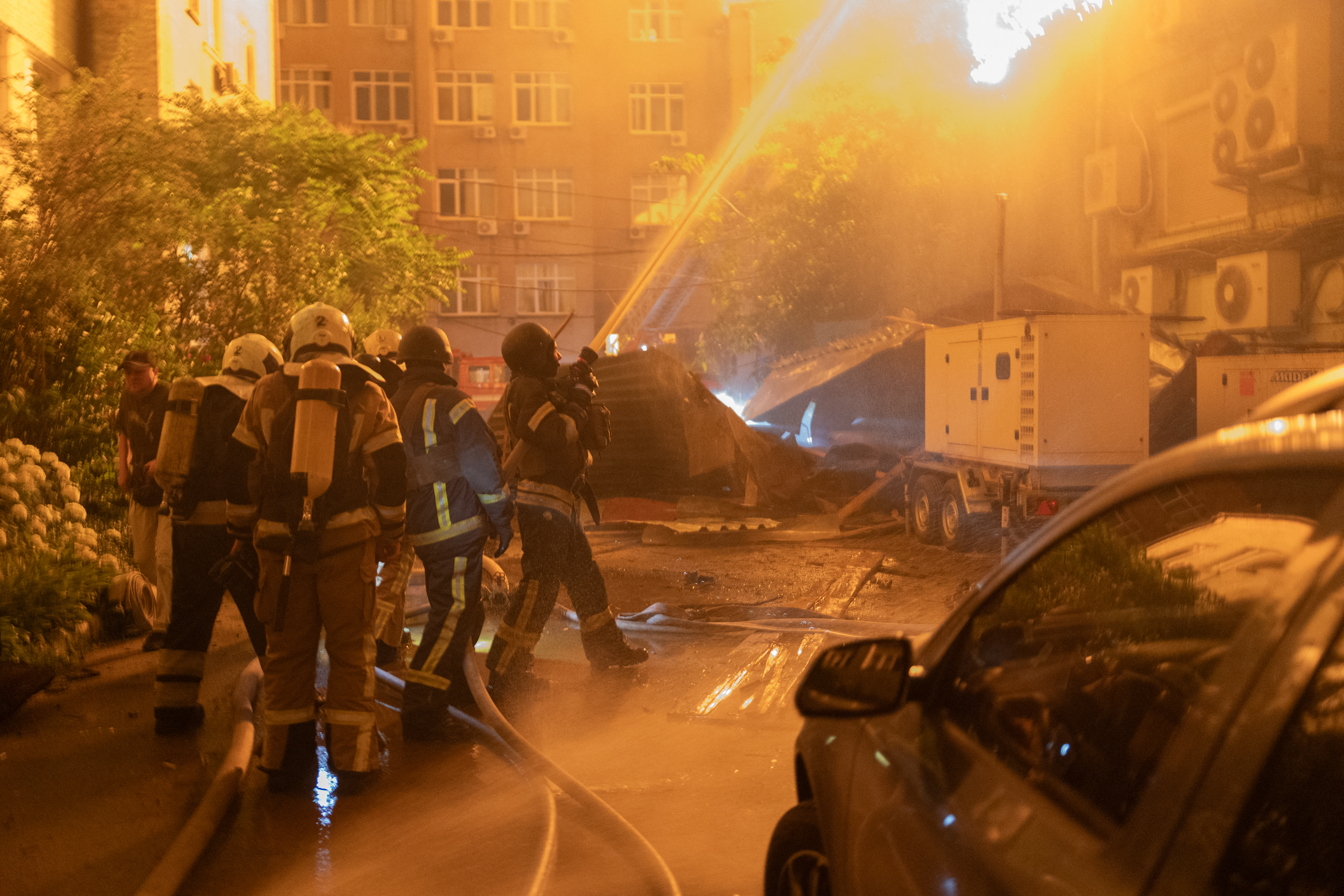

KYIV — By the time the largest explosions rolled across the capital around two in the morning on Thursday, some 52,500 people were already underground, spread across the city’s metro platforms with blankets, phones and children who had learned to sleep through air raid sirens. What they surfaced to was a changed city: an ambulance station hit, a hotel burning, a publishing warehouse with roughly 800,000 books reduced to ash, and a nine-story apartment block that no longer existed.
The July 2 strike on Kyiv was, by the count of Ukrainian officials, the third deadliest against the capital since the Russian operation began in 2022. The toll has kept climbing since the first morning figure of 22: by Friday, officials put it at no fewer than 30 dead and more than 85 injured, with several people still missing, among them the parents of a 10-year-old boy pulled from the rubble. Mayor Vitali Klitschko declared Friday a day of mourning.
President Volodymyr Zelenskyy accused Moscow of aiming at the city’s homes rather than its defenses. “Russia has once again deliberately attacked ordinary civilians and residential buildings,” he said, putting the number of damaged residential sites above 130, including the destroyed block of 64 apartments. Russia, he said separately, “will receive a response.”
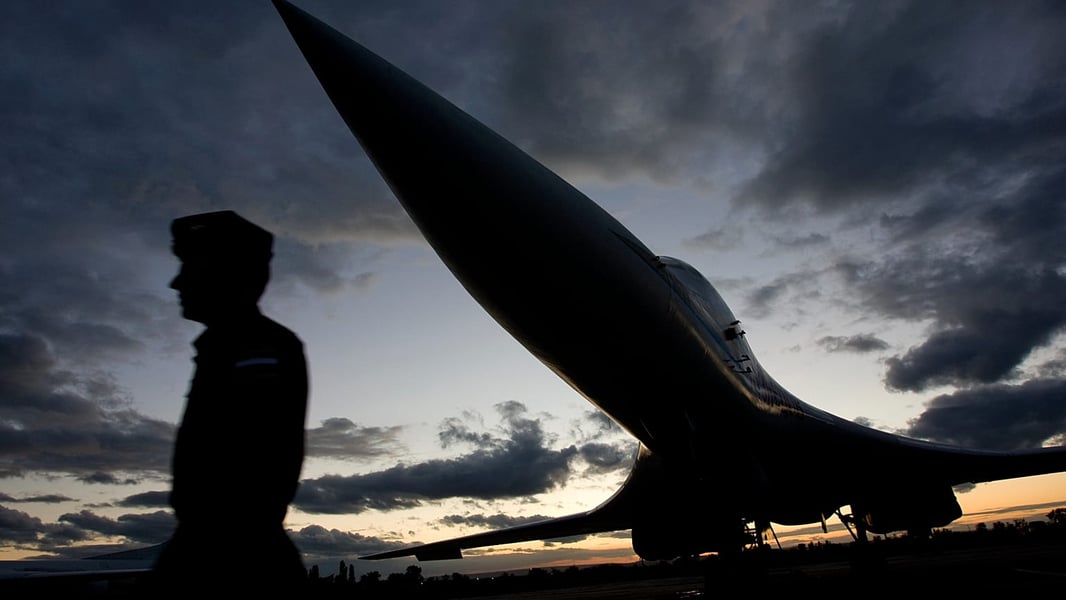
Moscow described the same night in different terms. The Russian Defense Ministry said it had carried out a massive strike with high-precision weapons against military-industrial facilities, and framed the attack as retaliation for Ukrainian strikes on civilian infrastructure inside Russia. That claim did not come from nowhere: Ukrainian drones and missiles have repeatedly reached deep into Russian territory this year, including two strikes in five weeks on a navigation-equipment plant in Cheboksary and attacks on Black Sea energy terminals. What the ministry’s framing does not explain is the arithmetic of the damage in Kyiv, where the sites struck, as reported by Al Jazeera, included the ambulance station, a scientific institute and block after block of housing.
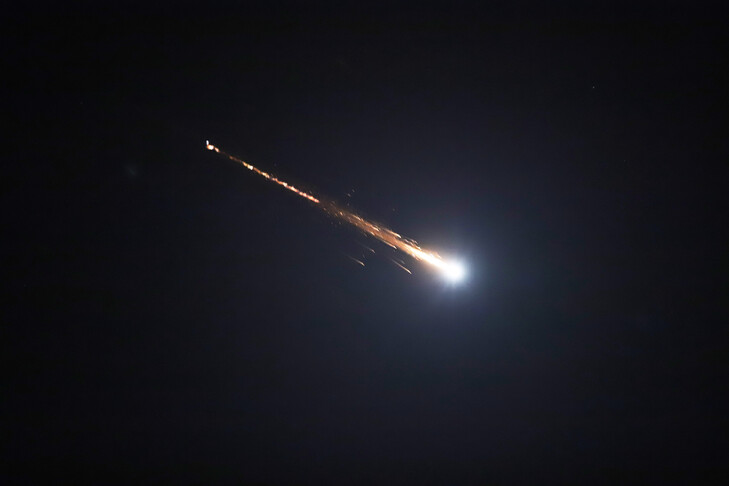
The lethality of the night had less to do with volume than with composition. Russia launched 74 missiles and 496 long-range drones, and Ukraine’s air force says it downed or suppressed the overwhelming majority: more than 90 percent of the cruise missiles and 90 percent of the Shahed-type drones. The problem was what got through. Twenty-five ballistic missiles, which compress reaction time to minutes, struck alongside a dozen drones, and the mix this time included the jet-powered Geran-4, a drone that flies at up to 500 kilometers per hour, and at least one Zircon hypersonic cruise missile, a weapon only Patriot batteries can plausibly stop. Air force spokesperson Yurii Ihnat has said the jet-powered drones are forcing Ukraine to spend scarce interceptor missiles on targets its gun trucks and mobile teams once handled.
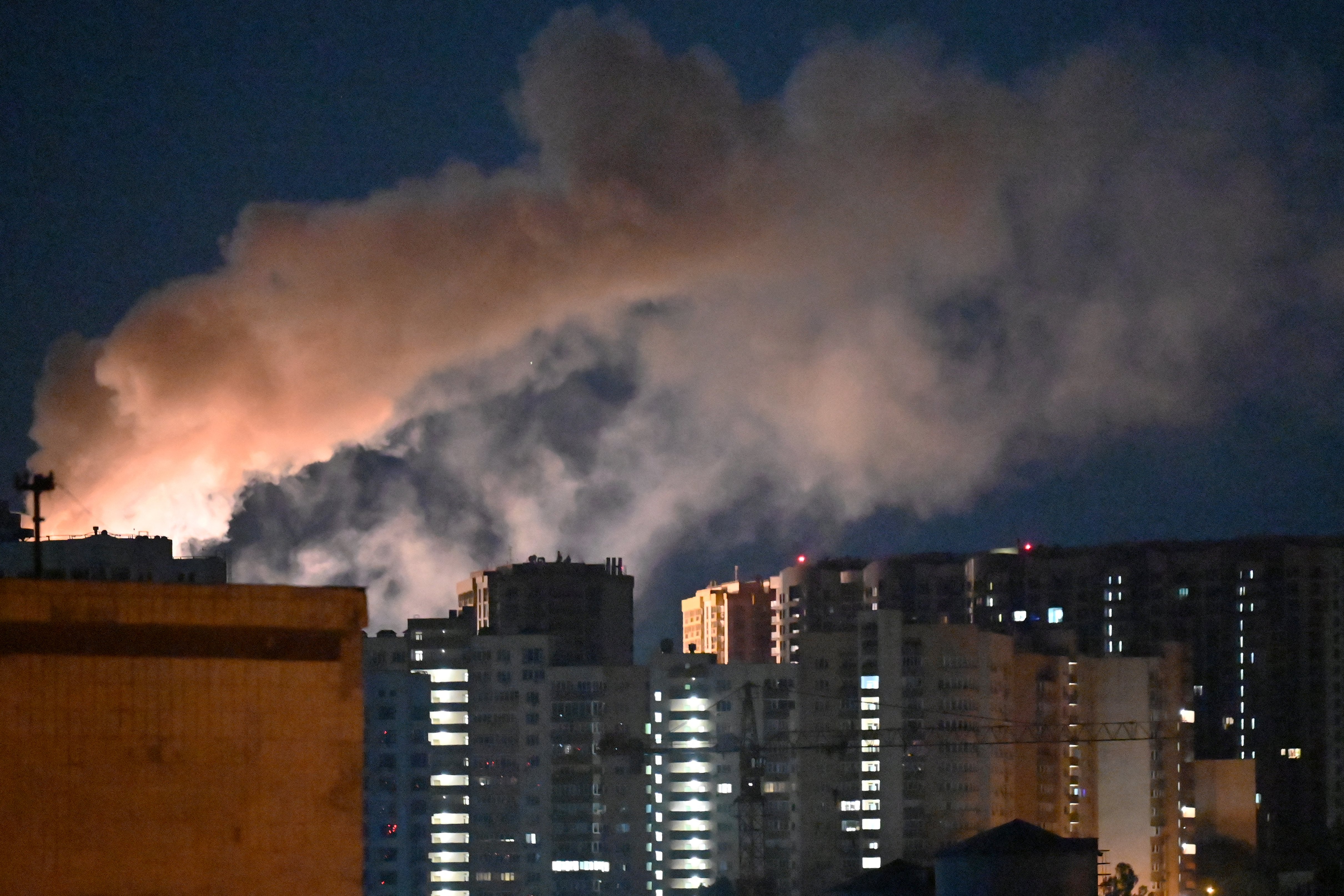
That is the quiet crisis underneath the casualty figures. A 90 percent interception rate reads as success until it is applied to more than 500 incoming objects, at which point the remainder is measured in destroyed buildings. The Institute for the Study of War described the strike package as a set of tactical and technological innovations designed, in its assessment, to maximize harm to civilians, an assessment carried in a CNN analysis of why this particular night was so lethal. Each side’s description of the target list cannot be independently verified from Kyiv; what can be counted are the buildings.
The shockwaves traveled well past Ukraine. Poland scrambled fighter jets to guard its border airspace during the attack, and Finland briefly restricted parts of its own. The timing sharpened an already anxious week in Europe, coming days after Poland’s prime minister warned that Russia could be capable of striking NATO territory within months, a claim Moscow dismisses but which now shapes alliance planning on its eastern flank.
The strike also landed in a diplomatic vacuum. The rival ceasefire declarations of early May collapsed within days, and no negotiating track has replaced them. Each escalation since has been justified by the other side’s previous one, a ratchet with no visible stopping mechanism: Moscow points to Ukrainian strikes on its refineries and terminals, Kyiv points to nights like Thursday.
What Friday’s mourning could not settle is what comes next, or even the full accounting of what already happened. Rescue crews were still working the collapsed apartment block as the day of mourning began, and the list of the missing had not closed. Zelenskyy’s promised response has no announced shape. And the question that hung over the metro platforms on Thursday morning, whether the new mix of jet drones and hypersonics has permanently changed what Ukraine’s air defenses can protect, is one nobody in Kyiv or Moscow answered this week.
Related Posts