
NEW YORK – The 2015 Pokémon GO announcement trailer showed something that looked like a fantasy: hundreds of people flooding Times Square, phones raised, catching Mewtwo together in the middle of the city. Game companies release promotional videos that depict a world their product cannot produce. This one became a standing joke in gaming circles because it showed a scale of real-world gathering that no mobile game had ever come close to achieving.
On July 10, Pokémon GO did it.
More than a thousand players descended on Times Square in midtown Manhattan as part of the game’s Road of Legends promotion, according to Wired, with the draw being a Super Mega Mewtwo raid available only at that location, at that time. The crowd was not a coincidence. It was the product of ten years of infrastructure: the raid mechanics, the community of active players, and the GO Fest event calendar that makes players willing to take the subway to a specific corner of Manhattan because a fictional monster is available there between specific hours.
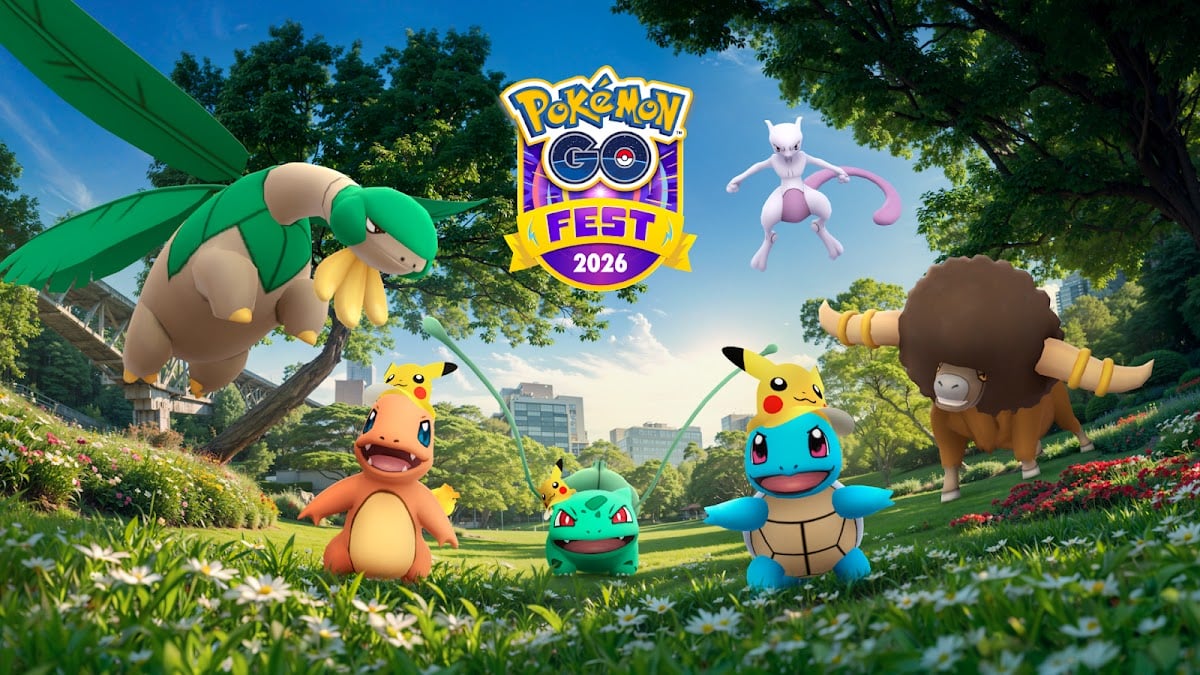
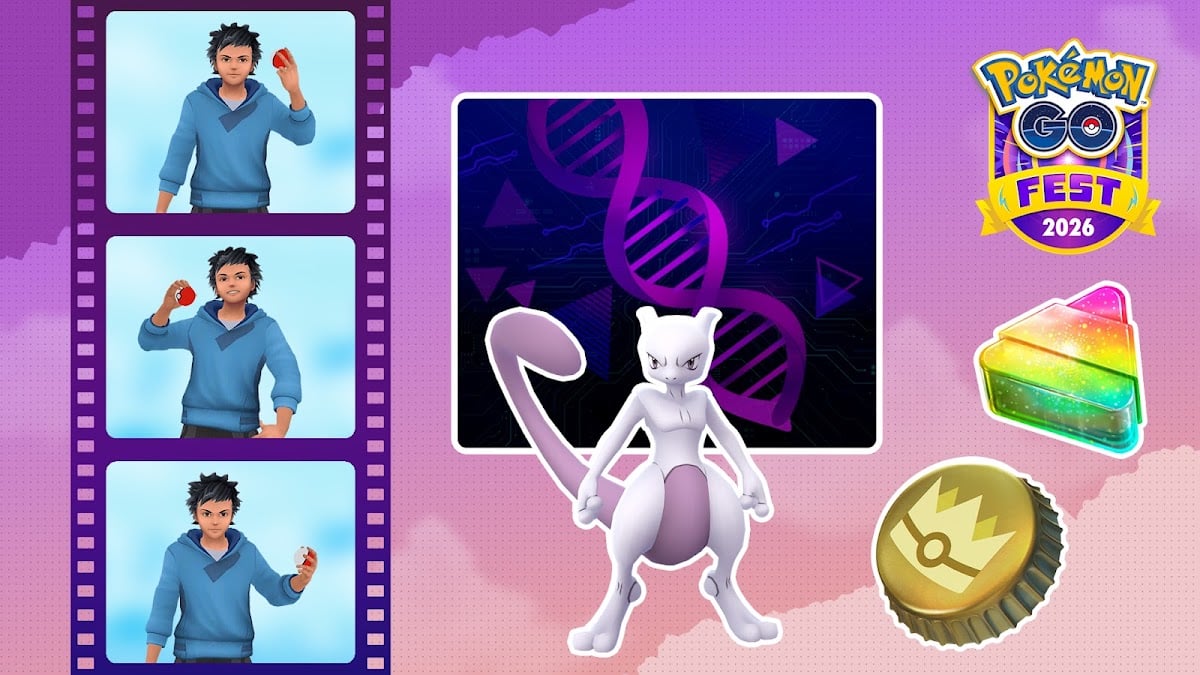
That infrastructure produced its most significant attendance result the following weekend. GO Fest 2026 Global ran July 11 and 12 as a free two-day event celebrating the game’s 10th anniversary, drawing 717,000 participants worldwide, according to CNET. The event cycled through all 18 Pokémon types in hourly rotation across both days, with Mega Mewtwo X available in raids on Saturday and Mega Mewtwo Y on Sunday. Every Mewtwo caught during the festival had at least one Mega Level pre-unlocked, a guaranteed reward that gave participants a version of the legendary Pokémon most could not otherwise obtain.
The game’s official site framed the anniversary plainly: “Pokémon GO is celebrating ten years of community, discovery, and exploration.” That framing has a defensible factual basis. The decade-long survival of a mobile game requires more than a strong opening; it requires a developer that kept rebuilding the reason to return. The GO Fest 2026 Global page listed what returning looked like this year: a two-day free global event, hourly rotating encounters, exclusive Mewtwo forms, and a season that had already passed through Tokyo in May, Chicago in June, and Copenhagen in July before reaching everyone at once.
Pokémon GO launched July 6, 2016. The behavioural response in the weeks that followed was immediate and unusual enough to dominate news coverage that mobile game releases almost never generate. Players who had not touched a video game in years were walking unfamiliar neighbourhoods. Public parks became raid venues. The game was simple enough that players who had grown up with the franchise and players who had never heard of it could participate side by side, which is not something most games manage to engineer.
Ten years of additions followed: raid battles, legendary Pokémon debuts, trading, Trainer Battles, GO Battle League, Mega Evolution, and Dynamax Pokémon, each listed on the official anniversary page as a milestone. The list reads like a product roadmap that kept delivering. Whether each feature arrived when players wanted it, or whether the game has grown complicated enough to lose the casual players who made the first summer visible, is a question the anniversary calendar has no reason to address.
Scopely, which acquired Niantic’s games last year and now operates Pokémon GO, organized the anniversary events at a scale the early GO Fests rarely managed. The Pokémon GO Fest 2026 Chicago event drew thousands to Grant Park in June, the first in-person GO Fest Chicago since 2019. The game’s Explorer Gadget auto-catcher, entering beta under Scopely’s ownership, hinted at hardware the company is building around the outdoor play mechanics that the GO Fest model depends on. The Times Square gathering on July 10 was the capstone of the Road of Legends period, which began on July 6 (the actual anniversary date) and ran through the start of GO Fest Global.
What the Times Square event confirmed is what the GO Fest attendance figure supports: the game still functions as a social coordination mechanism in a way that most mobile titles stop functioning within two years of launch. The geographic specificity of the format is the format. A specific place, at a specific time, for something only available there. The city changes each month. The mechanism does not.
The Special Anniversary Pikachu Celebration continues through July 20, extending the anniversary period for players who could not participate in the GO Fest Global weekend. What the second decade holds is not yet visible in the event calendar. Scopely has not announced a structural pivot or a successor format. The GO Fest system that produced the Times Square crowd and the 717,000-player weekend is the system the company inherited and the system it delivered on this one. Whether it remains the system that works in year fifteen is the only question ten years of Pokémon GO cannot answer.