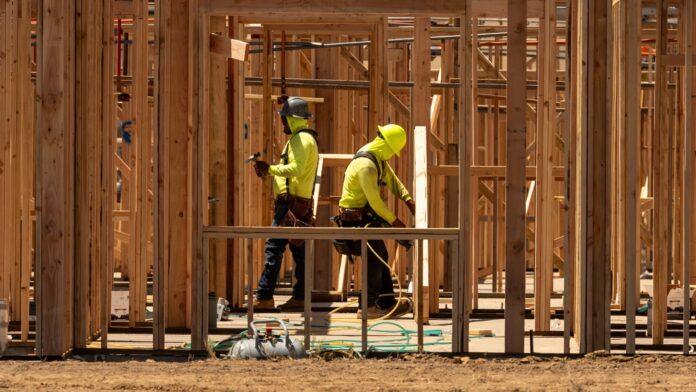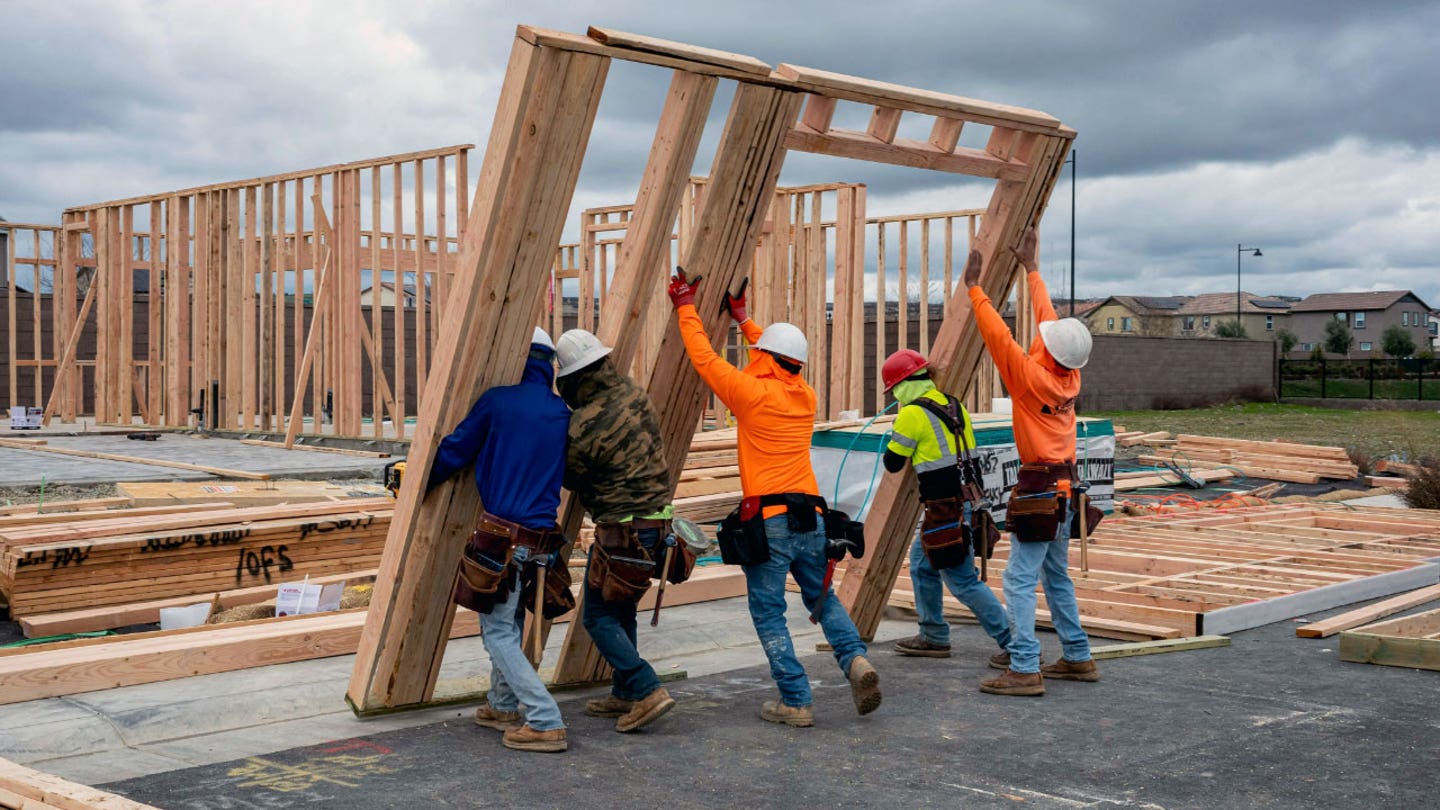

WASHINGTON – Finding the framers for a home that needs to break ground in October is, for many American builders, a process that starts in April. The lead times on skilled labor have stretched that far, and the consequence for the buyer waiting on the other end is not just delay: it is interest accruing on a construction loan, material costs fluctuating across an extended build window, and a closing date that keeps moving.
This is the part of the housing shortage that is rarely measured in the same news cycle as mortgage rates or inventory data. The National Association of Home Builders put numbers to it this month: the construction industry is short approximately 250,000 workers monthly, a figure that has reached as high as 400,000 during peak building periods.
The labor deficit is not a temporary gap. NAHB chief executive Jim Tobin called labor “one of the largest and most expensive inputs when it comes to home production and land development.” The shortage, at its current scale, is structural rather than cyclical, meaning it cannot be resolved by a single hiring push or a training initiative with a six-month timeline.
The Home Builders Institute, which runs apprenticeship programs for the construction trades, has put a specific cost on the labor constraint. President Ed Brady said the shortage adds nearly two extra months to building timelines, “inflating costs and delaying delivery.” Two months of additional construction time is not an abstraction. It is roughly sixty additional days of carrying costs for a developer, sixty days of materials exposure, and sixty fewer days of market time in a selling season that in many cities runs from March through July.
NAHB’s research has also quantified the regulatory contribution to the affordability problem. Federal, state, and local regulations add an estimated $132,000 to the price of a typical new home. That burden compounds the labor shortage: when baseline costs are already elevated, contractors cannot simply absorb the delay costs that come with a tight workforce. According to Fox Business, those two pressure points, labor and regulation, are combining to make the cost structure of new home construction structurally different from what it was a decade ago.
The scale of workers the construction sector needs is large enough to put the shortage in a category of its own. The Home Builders Institute estimates the industry requires approximately 723,000 new workers annually to address the current 1.5 million-home housing gap while also replacing those who retire or leave the trades. That is roughly the size of a mid-major American city entering the construction workforce every twelve months. The apprenticeship programs, technical colleges, and vocational pipelines that feed the trades are not producing graduates at anything close to that volume.
The political response to the housing shortage has focused primarily on the regulatory and financing side. The 21st Century ROAD to Housing Act became law in July without President Trump’s signature after he declined to sign it, calling it less important than his stalled election-integrity legislation. The housing law targets zoning restrictions and local permitting barriers. It does not include any workforce provisions.
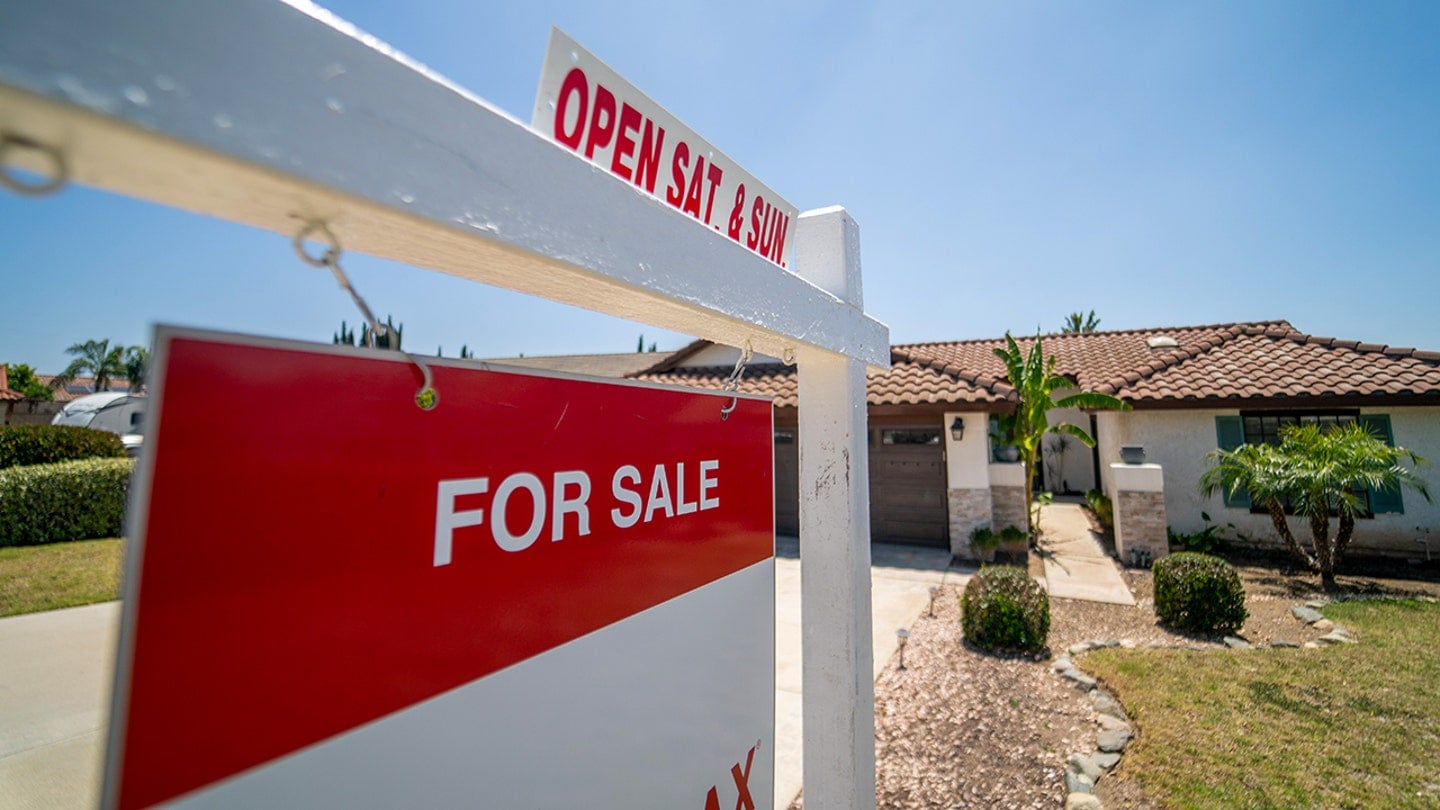
The median home price reached a record $440,600 in May, and existing home sales fell for the 36th consecutive month as buyers priced out by high mortgage rates and limited inventory stepped back from the market. The shortage of affordable homes is well-documented. The labor shortage that prevents builders from producing those homes is less visible in the same policy conversations.
The workforce question carries a dimension that federal housing data does not track in granular terms. A significant share of construction laborers in the United States are foreign-born, and a portion of those workers are undocumented. Immigration enforcement actions in 2025 and 2026 disrupted worksites in several major construction markets. The NAHB data cited by Fox Business does not disaggregate the 250,000 monthly shortfall into documented and undocumented labor. How the current immigration enforcement posture affects the construction sector’s available workforce is a variable the industry discusses privately and federal housing policy has not addressed as part of any framework passed or proposed in 2026.
What would close the gap is also not straightforward. Prefabricated and modular construction can reduce the skilled-labor intensity of some building types, but the American market for factory-built homes has never scaled to the point where it offsets the demand for site-built housing in most metropolitan areas. Training programs take years to produce workers, not months. The 723,000-per-year target the Home Builders Institute has cited is a figure for which there is no credible pipeline in the current policy environment. The homes are not being built as fast as they are needed because the people to build them are not where the construction sites are, and no legislation passed or unsigned this year is changing that arithmetic.