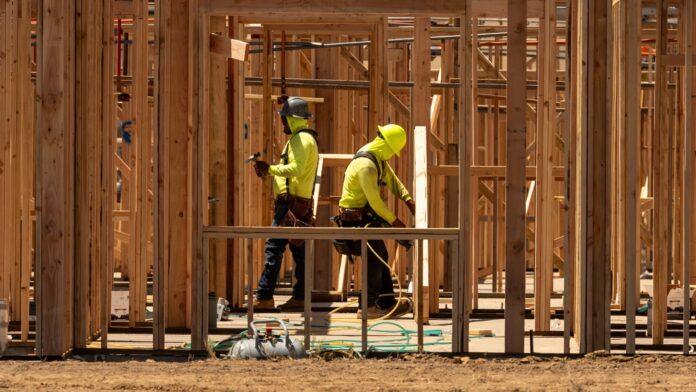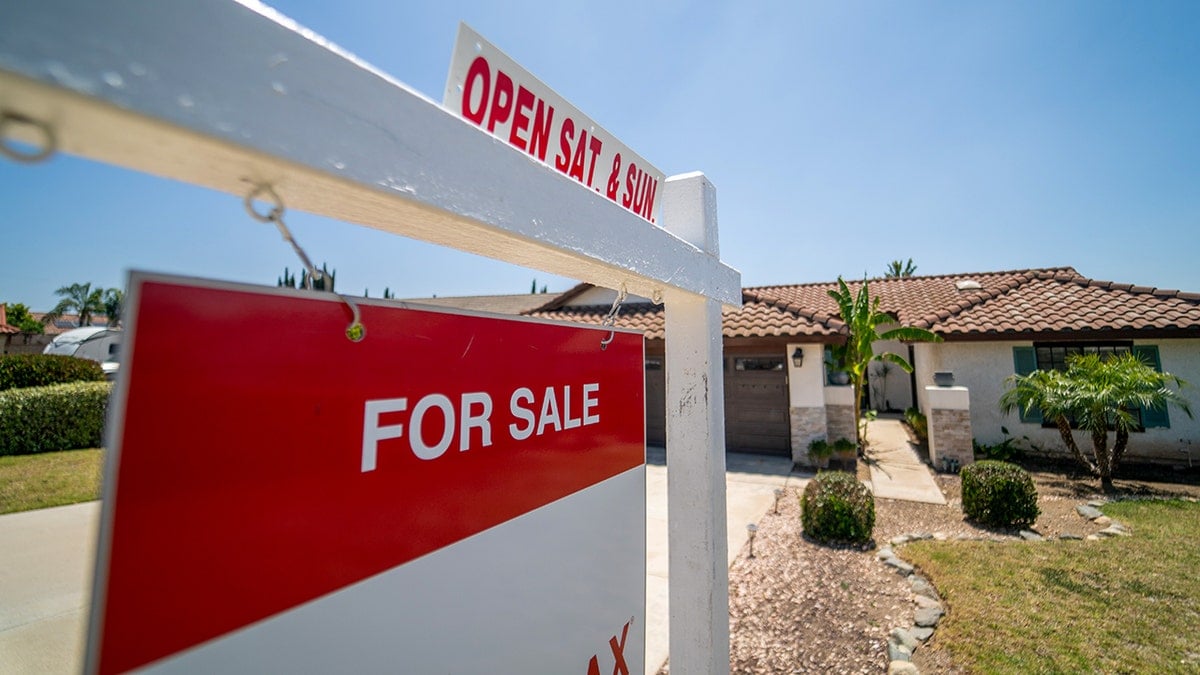

WASHINGTON – The median price of an existing home in the United States reached $440,600 in June, an all-time high, even as overall sales fell for a 36th consecutive month and available housing supply remained too thin to meet demand at any price point where most Americans can buy.
The National Association of Realtors reported Thursday that 4.09 million homes were sold at a seasonally adjusted annual rate in June, a 2.4 percent decline from May. Year over year, sales were up a marginal 0.8 percent, a figure that flatters the data because it benchmarks against June 2025, when the market was already at a near-historic trough.
Lawrence Yun, NAR’s chief economist, attributed whatever activity exists in the market to rate sensitivity. “Homebuyers are taking advantage of any rate dip,” Yun said in a statement accompanying the June data release. The problem is that those dips have been brief and shallow. The average 30-year fixed mortgage rate has run between 6.6 and 7.2 percent for most of 2026, leaving millions of prospective buyers either unable to qualify or unwilling to trade a sub-4 percent inherited loan for something nearly twice as expensive.
The chronic supply shortage has a precise structural explanation: roughly 85 percent of American homeowners with a mortgage hold rates below 6 percent, locked into loans originated or refinanced during the zero-rate era of 2020 to 2022. Selling a home now means buying at today’s rate. Most owners will not make that trade, and the result is a market starved of inventory not because people do not want to move but because the financial penalty for doing so is measured in hundreds of dollars a month for the life of a new loan.
Active listings stood at 1.56 million units in June, translating to 4.6 months of supply at the current pace of sales. That is above the 3.5 months recorded in June 2025, but still short of the five to six months that economists associate with a balanced market. In the markets where the price records have been most extreme, coastal California, South Florida and the New York suburbs, inventory remains at levels that produce competitive bidding regardless of interest rate conditions.
The affordability numbers are stark. At $440,600 with a 20 percent down payment and a 7 percent 30-year rate, the monthly principal and interest payment runs approximately $2,350, before property taxes, insurance or maintenance. For a buyer without an existing home to sell, assembling the required $88,000 down payment while paying elevated rent in a major city has become a near-impossible financial task. The economic strain on American households from two years of above-trend consumer prices has depleted the savings that would-be first-time buyers need to compete.
First-time buyers accounted for 30 percent of June transactions, against a historical norm near 40 percent. That ten-point gap represents hundreds of thousands of fewer transactions annually and reflects a generation effectively excluded from the equity-building that homeownership produces. The cohort most affected is adults in their late twenties and early thirties whose peak buying years have coincided with the most sustained period of housing unaffordability since the Federal Reserve began tracking it.
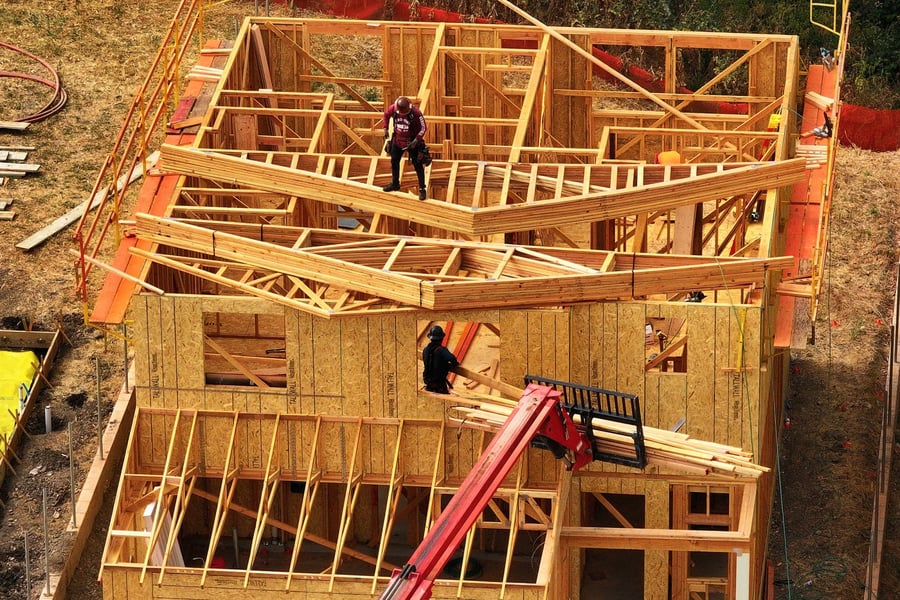
A major bipartisan housing measure became law this month after President Trump declined to sign it, allowing the legislation to take effect automatically after the statutory review window closed. The bill streamlines federal zoning requirements and establishes tax incentives for new single-family construction. The housing bill’s passage was received cautiously by market economists, who noted that construction cycles typically take 18 to 36 months to translate into meaningful new supply, and that local zoning boards, not federal rules, remain the real bottleneck in most high-demand markets.
The rate environment has been further complicated by geopolitical pressures that extend beyond Federal Reserve policy. The mortgage rate surge triggered by US strikes on Iran earlier in 2026 pushed 30-year fixed rates sharply higher, adding to pressure on a housing market already struggling with affordability. The Fed has moved its benchmark rate down twice since late 2025, but the 10-year Treasury yield, which mortgage lenders use to price loans, has not followed at the same pace, a spread anomaly that bond market analysts attribute to sustained inflation risk.
What the June data cannot yet answer is whether the new supply legislation will eventually break the cycle. Some analysts project the zoning changes could begin appearing in inventory counts by late 2027. Others note that any new housing in high-demand markets tends to be absorbed quickly by buyers who have been waiting on the sideline rather than cooling prices measurably. The record set in June arrived in the same month the law designed to prevent future records took effect. That the two events coincided without any visible price response says something about the scale of the underlying problem.