
WASHINGTON – The United States State Department last week added a crime indicator to its travel advisory for Saint Lucia, formally elevating the eastern Caribbean island to Level 2, which the agency labels “Exercise Increased Caution,” after a documented pattern of violent crime against American visitors reached a threshold the agency judged severe enough to require explicit government guidance. The change is not cosmetic. It reflects reported incidents that include armed robbery, assault, burglary, rape, and, in some cases, the killing of US citizens.
The advisory does not limit its concern to specific high-crime districts or after-dark hours. The risk is described as island-wide, and resort guests are explicitly included in the vulnerable population. That detail disrupts the premise that drives much of Saint Lucia’s tourism marketing: the idea that a wristband and a guarded compound reliably separate visitors from what happens on the other side of the gate.
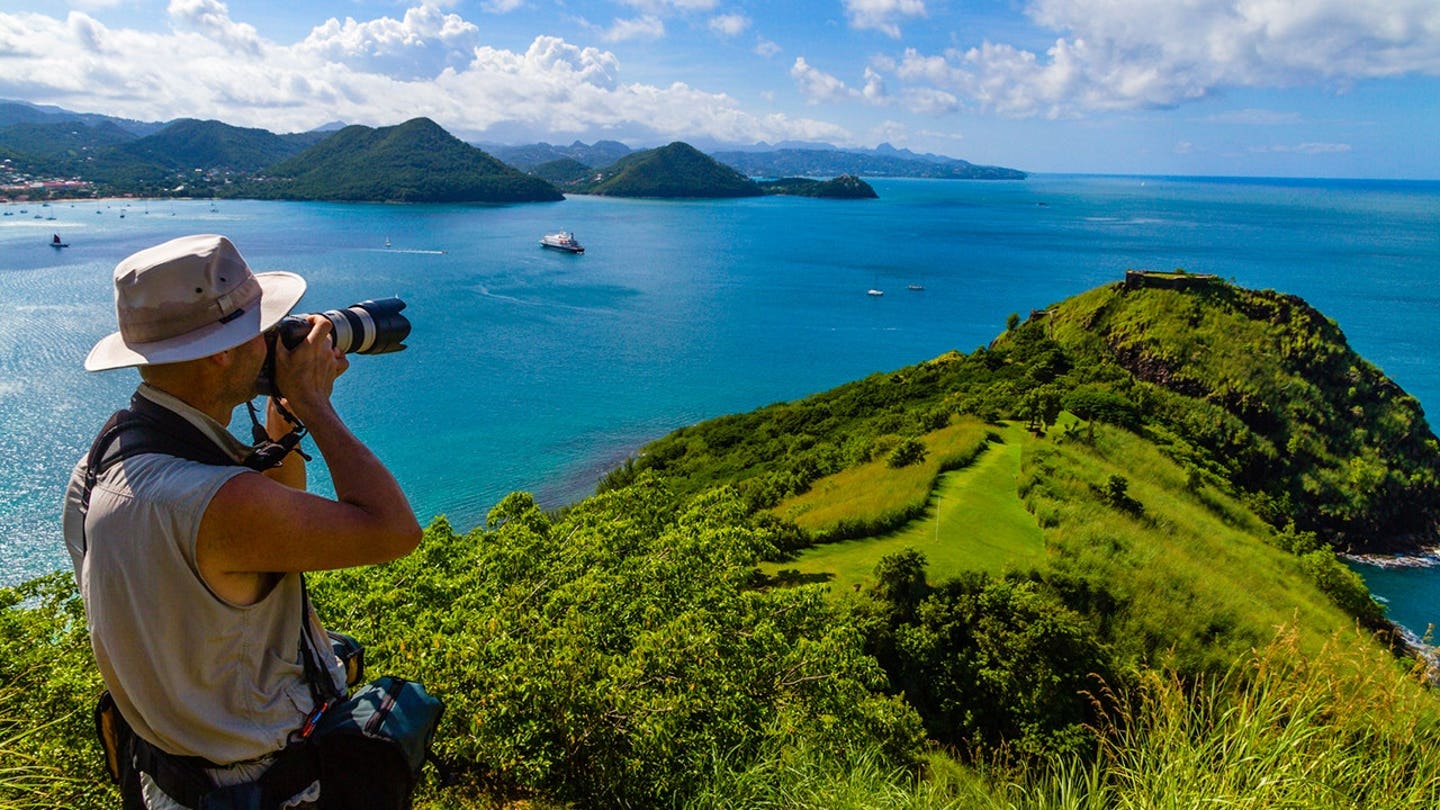
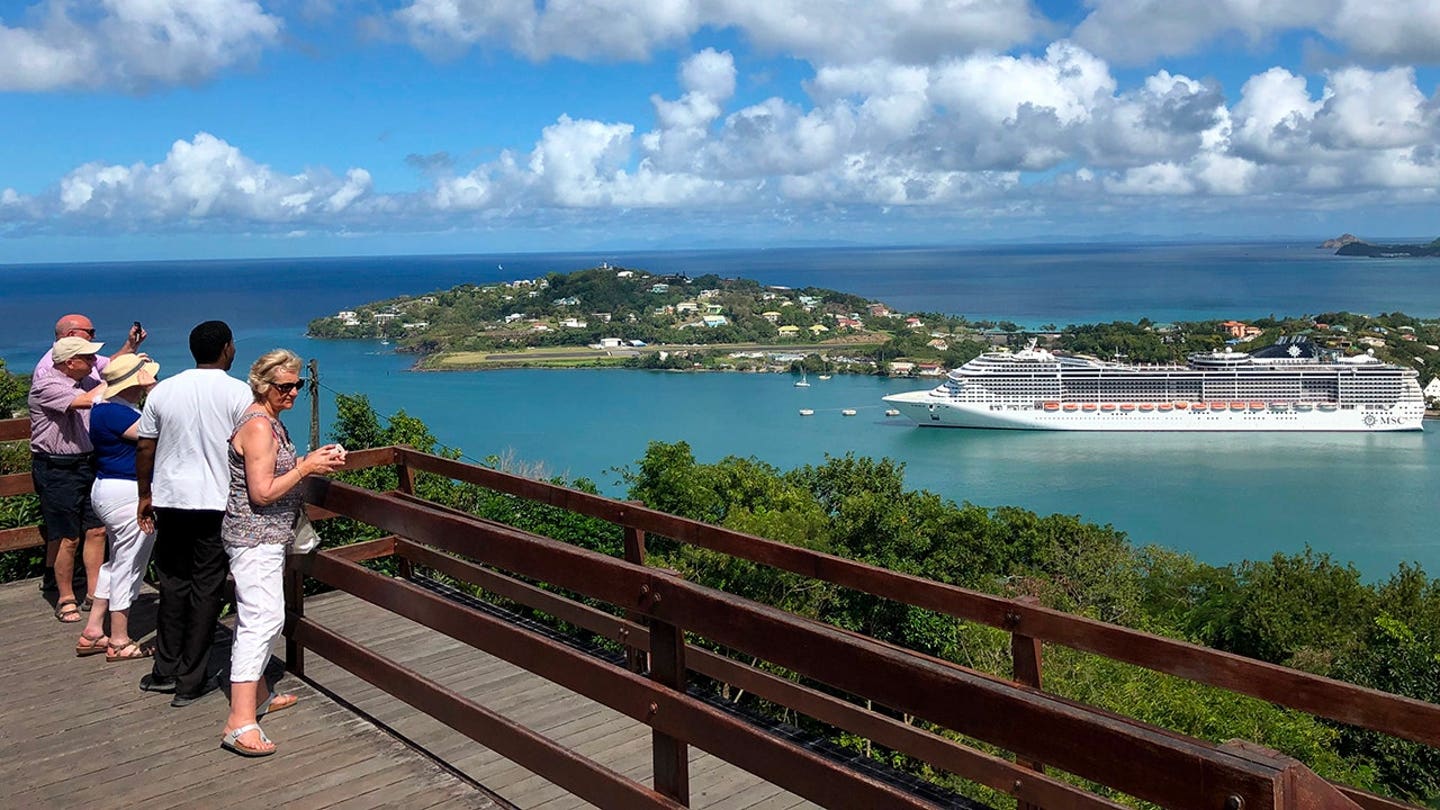
Saint Lucia is among the Caribbean’s most popular romantic destinations, with a substantial high-end resort sector concentrated around Rodney Bay in the north and a sparser tourism infrastructure across the rest of the island. The advisory does not distinguish between them. It covers all of Saint Lucia, a choice that reflects either a genuinely island-wide distribution of crime risk or a State Department practice of not fragmenting advisories by district. Travelers do not know which from the document itself.
The Level 2 designation sits in the middle of the State Department’s four-tier system. Level 1 (“Exercise Normal Precautions”) applies to the safest destinations. Level 2 requires increased alertness without advising against travel. Level 3 (“Reconsider Travel”) carries a stronger warning. Level 4 (“Do Not Travel”) applies to countries in active conflict or facing extreme security threats. Saint Lucia is not in that category, but the crime types documented, including armed robbery, rape, and killings, place it closer to the serious end of the spectrum than its tourism profile suggests.
Most crimes against visitors are described as crimes of opportunity. Purse snatching and pickpocketing are common in tourist areas. Aggressive vendors and scam activity targeting visitors have also been documented. But the advisory goes well beyond petty crime, acknowledging armed robbery, assault, and burglary as part of the same pattern. According to Fox News, some US citizens have been killed on the island, placing Saint Lucia in a category of advisory language the government applies only when fatality incidents are verified.
Saint Lucia’s advisory elevation comes as several Caribbean destinations have drawn heightened US government safety attention this summer. A Flamingo Air crash in the Bahamas this month killed all ten people on board and led authorities to ground the airline entirely, a reminder that visitors to island destinations face a range of risks that standard tourism promotion does not communicate. Crime advisories and aviation safety records represent different risk categories, but both point toward a region where the gap between marketed experience and documented risk has widened.
Police response times in Saint Lucia lag behind US standards, the advisory notes. In a robbery or assault, the interval between the incident and law enforcement’s arrival is a practical concern, not an abstract one. Tourist police operate in the main visitor zones, which signals that the local government recognizes crime against visitors as significant enough to warrant a dedicated presence where travelers concentrate.
The Turks and Caicos Islands carry the same Level 2 designation, with that advisory specifically flagging sexual assaults, petty crime, scam activity targeting tourists, and local firearms laws that have caught some American visitors by surprise. The two advisories do not mean the two destinations are identically dangerous, but the shared tier suggests the State Department is tracking crime against tourists in the Eastern and Northern Caribbean as a regional pattern rather than an isolated local condition.
The practical guidance the advisory provides is specific. Travelers are advised to stay aware of their surroundings, avoid displaying cash or valuables, exercise caution when walking or driving at night, and not physically resist if they are robbed. The instruction not to resist reflects documented incidents in which resistance has escalated violence against victims. Travelers are also instructed to check luggage carefully before departure, because local firearms laws can result in serious legal consequences for those who arrive or depart with prohibited items.
What the advisory does not provide is granular geographic guidance. The distribution of violent crime across Saint Lucia, whether it concentrates in specific communities, along specific roads, or in areas tourists would not ordinarily visit, is not addressed in the published document. A traveler staying at an all-inclusive resort near Rodney Bay and one exploring the island independently face different exposure profiles that the Level 2 designation, by design, does not distinguish between. The crime indicator was added; the cartography of the risk was not.
The formal elevation reflects something real about the island’s safety record. Tourism is Saint Lucia’s dominant economic sector, and there are strong institutional incentives to suppress the visibility of crime against visitors. When the United States government formally adds a crime indicator to a country’s travel advisory, it is acting on verified reports, not precaution. The island that the brochures describe and the island that the State Department’s advisory documents are not contradictory, but they are not the same island either.